
Last updated November 23, 2026
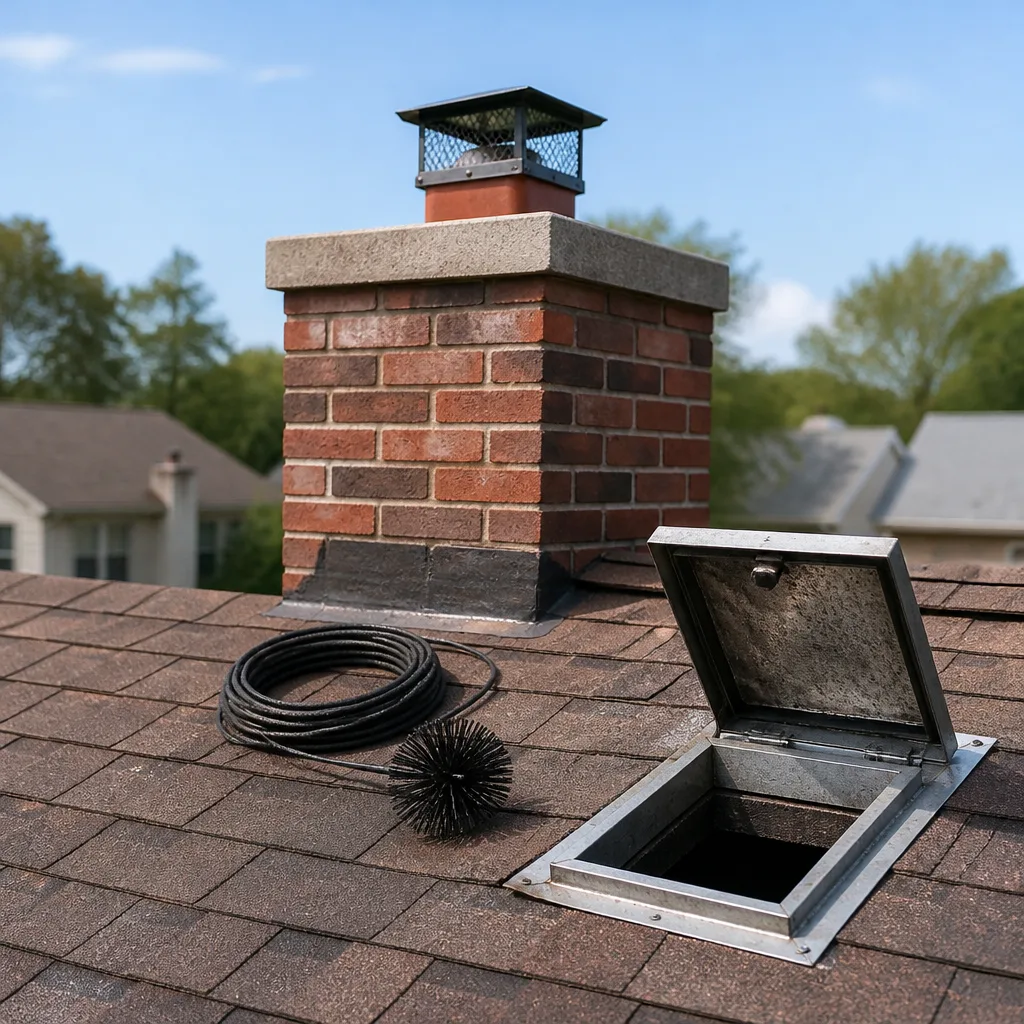 Sweep & inspection
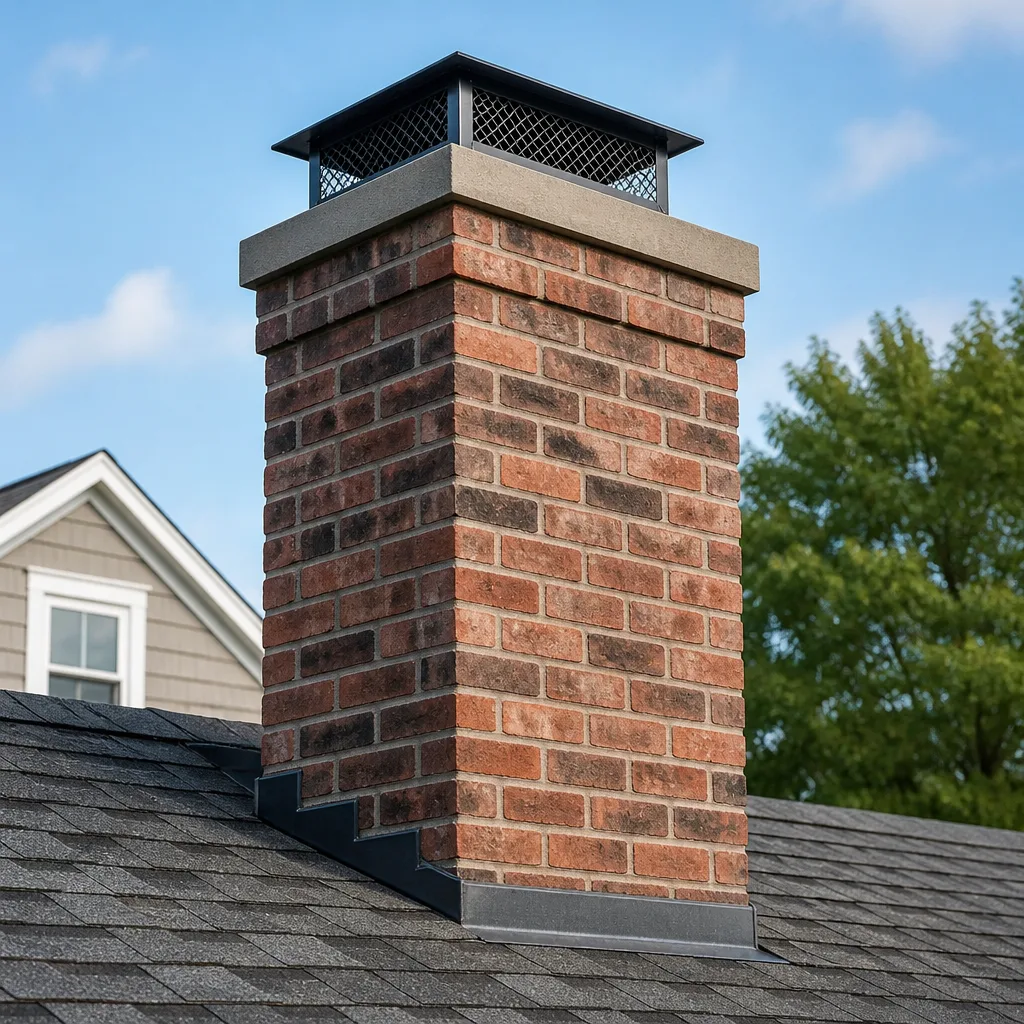 Caps & crowns
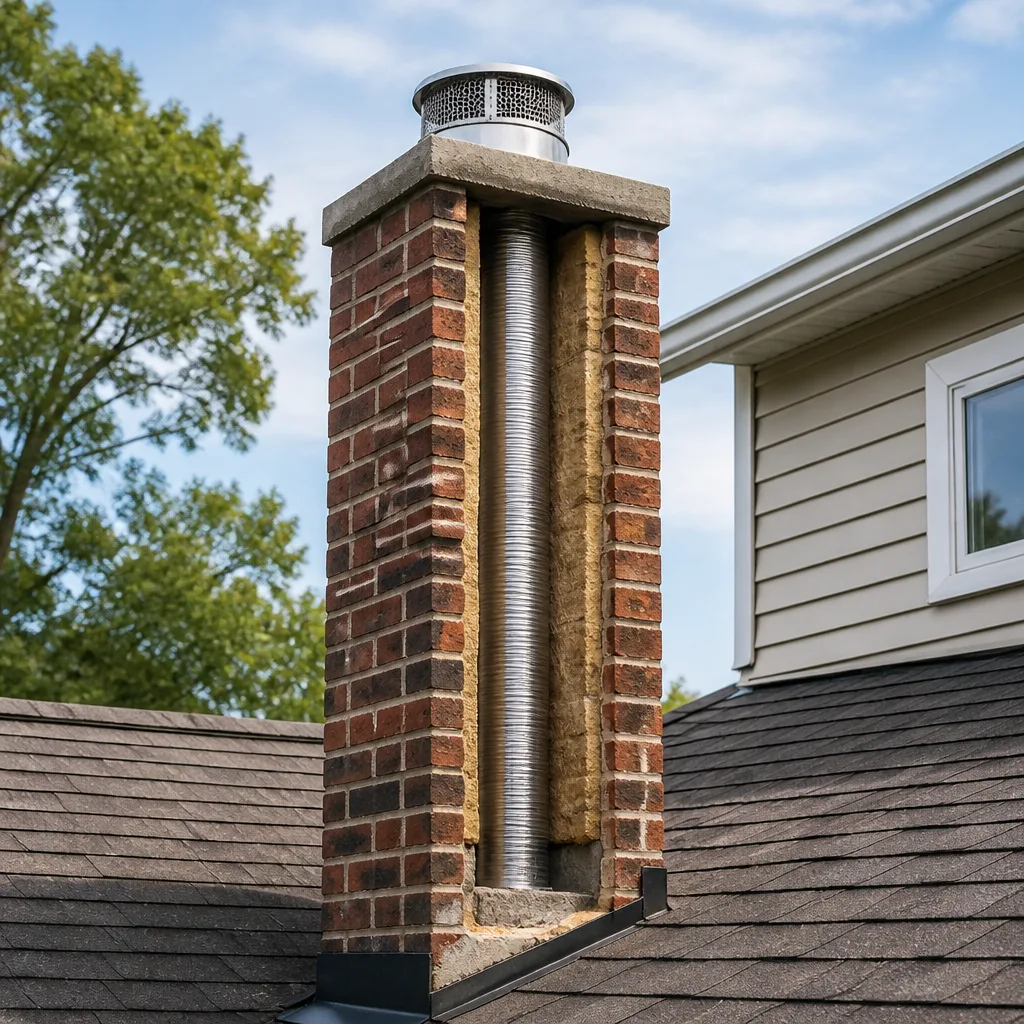 Flue relining
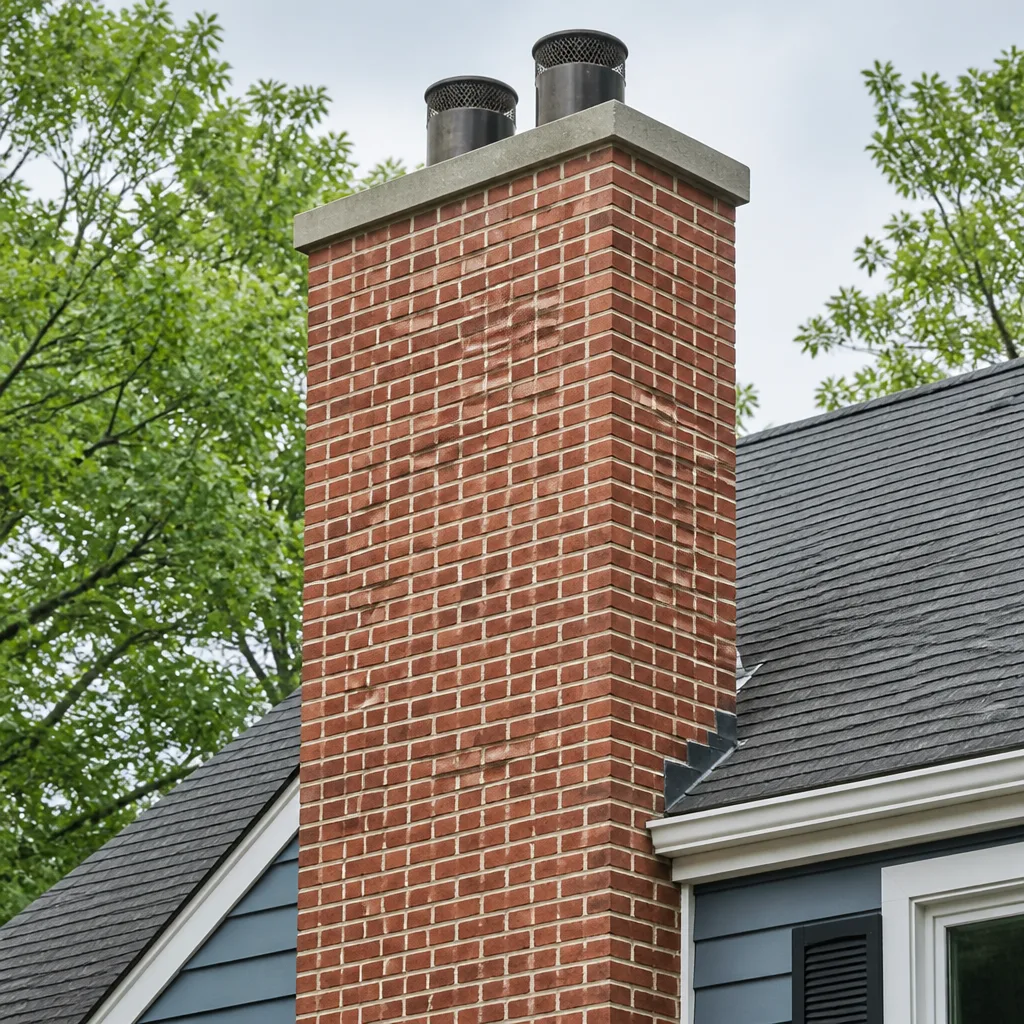 Masonry repair
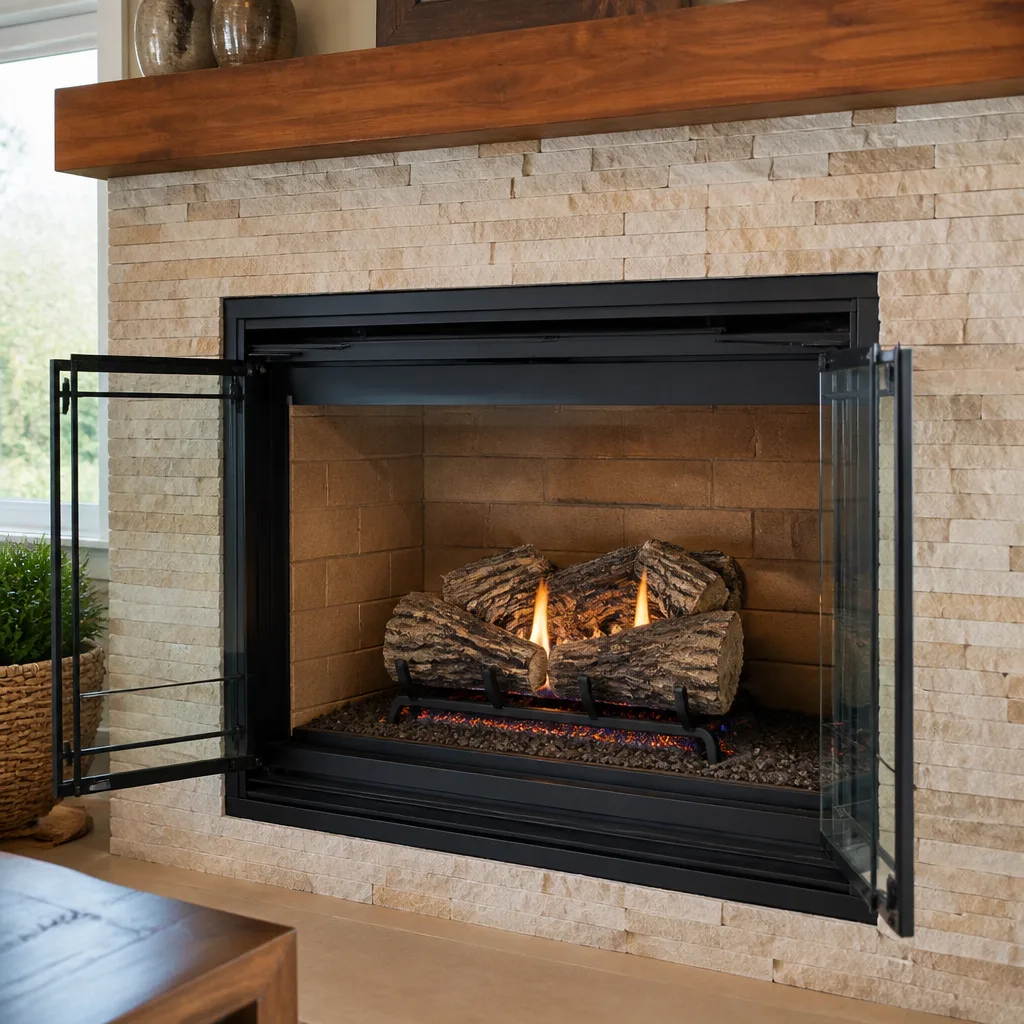 Gas fireplace service
Level 1 sweep and inspection to the NFPA 211 annual standard - flue, crown, cap, and flashing checked and photographed
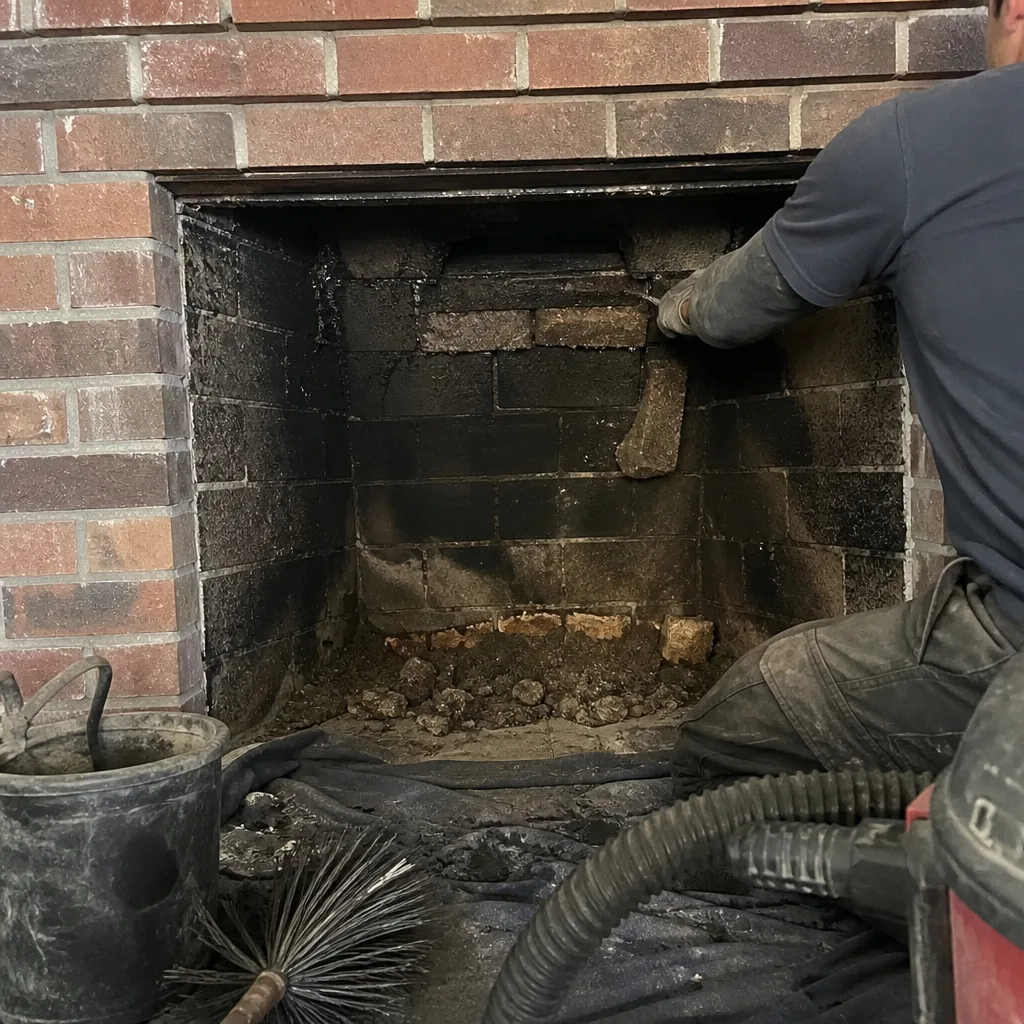
Chimney sweep logs do not sweep chimneys. They loosen some creosote - which then falls where a brush and vacuum still have to collect it.
Chimney Cleaning Emergency Preparedness Guide for Centennial Homes
Most people picture a chimney fire as a roaring, freight-train sound with flames visible at the top. That happens, but it’s not the usual case. The fire that does the most damage is often quiet: a soft crackling behind the wall, a low hum, or nothing you’d notice while the TV is on. By the time it’s obvious, the safe window for a measured response is gone. This guide walks through what a chimney emergency actually looks like in Centennial, how the two main types of chimney fire call for completely different responses, and how to build a simple emergency kit before you ever need it.
Quick Answer
A chimney emergency requires two different protocols depending on the type. A fast-burn fire (roaring, shaking, visible flames or smoke billowing into the room) means call 911 immediately, get everyone outside, and don’t relight until a Level 2 inspection has cleared the system. A slow-burn fire (soft crackling, odd smell, faint hum) means stop using the fireplace at once and call a chimney sweep for same-day assessment – not 911. After either type, no one touches the chimney until the damage is documented for your insurer and a Level 2 inspection has been completed.
Styles & brands we work with
- Sweep & inspection
- Caps & crowns
- Flue relining
- Masonry repair
- Gas fireplace service
Table of Contents
- The Two Kinds of Chimney Fire (and Why They Need Different Responses)
- Fast-Burn Fire Protocol: When to Call 911
- Slow-Burn Fire Protocol: When to Call a Sweep
- What to Do Immediately After a Chimney Fire
- Carbon Monoxide Scenarios Tied to Your Chimney
- Building Your Chimney Emergency Go-Kit
- Centennial-Specific Emergency Context
- Prevention: The Cheapest Emergency Response
The Two Kinds of Chimney Fire (and Why They Need Different Responses)
A chimney fire is a fire inside the flue, usually burning creosote that has built up on the liner walls. Creosote is a byproduct of incomplete combustion – it forms whenever wood burns without enough heat, air, or seasoned fuel, and it accumulates over time in three forms: soot, flaky crust, and glazed, tar-like deposits. The glazed form is the most flammable and the hardest to sweep off.
Where the two types split is in how the fire develops. A fast-burn fire ignites suddenly, consumes a large volume of creosote quickly, and produces the dramatic effects people know about. A slow-burn fire crawls along the creosote slowly, often burning for a while before anyone notices, and can do significant structural damage to the liner and nearby framing without ever producing visible flames.
Colorado’s high-altitude winters work against chimney safety in two ways. Cold, dense air at elevation makes draft less predictable, so a fire can smolder longer and deposit more creosote. And long, dry winters mean many Centennial homeowners burn hard for months – well over the volume that a sweep schedule from a lower-altitude climate was designed for.
Fast-burn warning signs
- A loud roaring or rumbling sound in the flue, sometimes compared to a freight train
- Shaking or vibration in the chimney structure
- Visible flames or sparks at the top of the chimney
- Dense smoke or flames backing into the living space
- A hot chimney breast, hot to the touch on the wall side
Slow-burn warning signs
- A soft crackling or popping sound behind the wall, even when the fire looks normal
- A sharp, tarry smell that lingers after the fire is out
- Smoke that seems to “hang” in the room instead of drafting up
- Soot streaks or a blackened pattern near the damper or on the firebox surround
- An unexplained hot spot on the wall or ceiling above the chimney
Both types are serious. The difference is the response window. Fast-burn fires can spread into framing within minutes. Slow-burn fires give you time to act – but only if you notice. That’s why a chimney sweep every season is the single most important emergency precaution you can take.
Fast-Burn Fire Protocol: When to Call 911
If you see or hear signs of a fast-burn chimney fire, call 911. Do not try to fight it. Do not wait to see if it settles. The protocol below is the sequence to follow.
- Get everyone out of the house first. People, pets, everyone. Call 911 from outside.
- Close the fireplace doors and the damper if it’s safe to reach. Restricting air slows the fire. Never reach into a hot firebox or up into the flue.
- Don’t throw water on the fire or into the firebox. Thermal shock to a hot flue can crack the liner and do more damage than the fire itself.
- Wait for the fire department. They’ll assess the fire, check the roof and attic, and clear the house for re-entry.
- Don’t relight until the system has been inspected by a qualified chimney professional. A Level 2 inspection is required before the fireplace goes back into service.
In Arapahoe County, a chimney fire call typically brings a fire engine and often a ladder truck to inspect the roofline. Firefighters will extinguish any active fire in the flue if possible, check for extension into the attic and framing, and leave you with a report. That report is one of the most valuable documents you’ll have for an insurance claim – keep it with your chimney records.
What not to do during a fast-burn fire
- Don’t try to climb onto the roof to inspect the chimney yourself.
- Don’t use a garden hose to spray into the firebox from inside.
- Don’t close the damper if the fire has already spread visibly into the room.
- Don’t re-enter the house for belongings once you’re out.
Slow-Burn Fire Protocol: When to Call a Sweep
Slow-burn fires are the harder call because the signs are subtle. If you suspect one – soft crackling, odd smell, smoke hanging in the room – the response is not 911. It’s stop-use and call a sweep.
- Stop using the fireplace immediately. Let the fire burn out naturally if it’s already going. Don’t add more wood.
- Open a window near the fireplace if you smell smoke in the room.
- Check your smoke and carbon monoxide detectors. If either alarms, treat it as a fast-burn scenario and leave the house.
- Call a chimney sweep for a same-day or next-opening assessment. We answer 24/7. Fast dispatch from 7am to 7pm, Sunday through Friday.
- Don’t relight until the chimney has been inspected. A slow-burn fire can leave the liner compromised in ways you can’t see from the firebox.
The tricky part is knowing whether a slow-burn fire has already happened without you noticing. Creosote can ignite and self-extinguish multiple times across a season. The evidence usually shows up in an inspection: cracked or warped liner tiles, puffy “honeycomb” creosote, or heat discoloration on the cap. This is exactly what a proper inspection is designed to catch.
If you’re not sure which category you’re in, err toward the sweep. Calling a professional for a same-day look is a small inconvenience compared to missing a fast-burn event.
What to Do Immediately After a Chimney Fire
Once the fire is out – whether the fire department responded or it self-extinguished – the next few hours matter for two reasons: safety and insurance.
Step 1: Stop-use protocol
The chimney is out of service. No fires, no testing, no “let’s see if it works.” Place a note on the fireplace or remove the firewood from the room to prevent someone in the household from lighting up out of habit.
Step 2: Document everything before anyone touches the system
This is the step most homeowners skip, and it costs them on the claim. Before you call anyone, take photos and video of:
- The firebox interior, including any visible cracks or soot patterns
- The damper and the smoke chamber area
- The wall and ceiling surfaces around the chimney on every floor
- The exterior chimney, cap, and crown from the ground
- The roofline and any visible smoke staining
- Anything the fire department left behind – their report, any notes, any equipment residue
Step 3: Call your insurer
Open the claim before the inspection, not after. Most homeowner policies cover sudden chimney fires; fewer cover long-term creosote damage that could have been prevented by regular sweeping. Getting the claim opened early keeps the timeline clean.
Step 4: Book a Level 2 inspection
Level 2 is the standard inspection required after any chimney fire. It includes a camera scan of the flue interior and a full visual inspection of accessible portions of the chimney, and it produces the documentation your insurer and your sweep both need. The National Fire Protection Association standard that governs this is NFPA 211, which sets the three inspection levels. In practice, no reputable sweep will relight a fireplace after a fire without one.
For related structural issues that surface during the inspection, our fireplace repair team handles the firebox, damper, and surround work in the same visit as the sweep.
Carbon Monoxide Scenarios Tied to Your Chimney
Carbon monoxide is a byproduct of any combustion appliance, and your chimney is the exhaust path. When the path works, CO goes up and out. When it doesn’t, it goes into your house – and you may not smell or see it.
The four chimney-related CO scenarios in Centennial homes
- Blocked flue. A bird nest, a fallen cap, or a chunk of broken liner tile can obstruct the flue. Smoke and CO back up into the room instead of drafting up.
- Cracked liner. A hairline crack in the flue tile lets CO escape into the chimney chase and from there into the wall cavity and living space. It’s often invisible from the firebox.
- Negative pressure. A newly tightened home – new windows, added insulation, a new high-efficiency furnace or range hood – can pull more air out than it lets in. The chimney then reverses and exhausts into the room instead of up and out.
- Blocked or undersized flue serving a gas appliance. A gas water heater or furnace venting into a flue that was sized for a wood fireplace can produce incomplete combustion and elevated CO.
What detector placement protects against – and what it misses
A CO detector placed near the sleeping area protects against buildup that reaches the bedroom. What it misses is the low-level chronic exposure that accumulates over days before reaching alarm thresholds. A detector in the same room as the fireplace catches fast event buildup in that room. What neither catches is a cracked liner leaking CO into a wall cavity that eventually seeps into a room without a detector – which is why a CO detector on every level matters for homes that burn wood.
Our chimney cap & crown work eliminates one common blockage source – a missing or damaged cap that lets birds and debris into the flue – and is our most requested prevention service in Centennial.
Building Your Chimney Emergency Go-Kit
When your chimney has just failed and you’re on the phone with your insurer at 10pm, you don’t want to be searching for paperwork. A simple folder – physical or digital – containing the following items makes that call ten minutes instead of an hour.
What goes in the kit
- Your last inspection report. The full report with photos and the technician’s notes, including the date and the inspection level.
- Liner material and size. Whether your liner is clay tile, stainless, or a cast-in-place system like HeatShield. This matters because the replacement approach is completely different for each.
- Appliance model and serial. For the fireplace insert, wood stove, or the furnace and water heater if they share the flue. Pull the data plate once and photograph it.
- Contractor contact. The name and number of the sweep who last serviced the chimney. If you don’t have one, that’s the item to fix first.
- Insurance details. Policy number, claims line, and your adjuster’s direct contact once you have a claim open.
- Photos of the chimney. Exterior from multiple angles, the cap and crown, the firebox and damper, and the chimney breast on each floor. Take these now, in good weather.
- Fire department non-emergency line. For non-emergency questions in Arapahoe County.
- Our contact line. (866) 589-5349. We answer 24/7. Fast dispatch from 7am to 7pm, Sunday through Friday.
Keep the go-kit in two places – a physical folder on the same shelf as your homeowner insurance binder, and a digital folder your household can access from a phone. When the call comes, having both is worth the effort.
Centennial-Specific Emergency Context
Centennial’s mix of older brick chimneys and newer construction means two patterns show up on emergency calls. In established neighborhoods with original masonry – parts of the Smoky Hill corridor, for example – we often see original clay flue tile reaching the end of its service life, and liners that no longer match the fuel being burned. In newer builds, negative pressure is the more common problem: tight envelopes, high-efficiency appliances, and dense draft that pushes smoke and CO where the flue can’t carry it.
Who does what in a Centennial chimney emergency
- Active fire or CO alarm: Call 911. Do not pass go. Arapahoe County fire crews will respond and clear the home.
- Post-fire inspection and documentation: Call a licensed chimney professional for a Level 2 inspection. This is what your insurer will require before any repair is authorized.
- Non-emergency chimney question: Call a sweep. Our number is (866) 589-5349. We answer 24/7. Fast dispatch from 7am to 7pm, Sunday through Friday.
- Smoke coming into the room from a fire that hasn’t spread: Stop use and call a sweep. If smoke is dense or flames are visible, treat it as an active fire and call 911.
- Fire department response: Arapahoe County firefighters handle the active fire and produce a report. They do not perform the chimney inspection that your insurer will require after the incident.
That last point catches a lot of homeowners off-guard. The fire report is not the same as a chimney inspection. You need both.
Prevention: The Cheapest Emergency Response
Every emergency in this guide has a preventable path. Annual sweeping keeps creosote from reaching the ignition threshold. A Level 1 inspection every year and a Level 2 inspection of any system that’s changed, sold, or fire-affected catches liner problems before they leak CO. A proper cap and crown keeps nesting birds, rainwater, and debris out of the flue. And a liner that’s been evaluated, sized, and installed correctly the first time – using a professional-grade product like DuraFlex for stainless relining or a HeatShield restoration for a deteriorated clay flue – is the long-term fix, not a patch. That’s what the Centennial name means to us: built to last, not a quick fix.
Our technicians have up to 8 years of experience, and we work with the brands professionals specify: DuraFlex, HeatShield, Gelco, Olympia Chimney, Famco, and Copperfield. If your chimney has any history of odd noises, strange smells, or backdrafting, book a Centennial Chimney Sweep Pros service call before you light the next fire.
Common Mistakes to Avoid
- Treating a slow-burn fire like no fire at all. Soft crackling and a lingering tarry smell are genuine warning signs, not quirks of the fire. Most homeowners who end up with liner damage in Centennial ignored these signs for at least part of a season.
- Throwing water on a hot chimney fire. The thermal shock can crack flue tiles and do more damage than the fire itself. Close the doors, get out, call 911.
- Relighting before a Level 2 inspection. After any suspected fire, the system is out of service until the liner has been camera-inspected. Insurers will typically deny the second claim if the first fire wasn’t properly inspected and repaired.
- Relying on a CO detector in one room. A single detector near the bedroom is not enough for a wood-burning home. Place one on every level, plus one in the room with the fireplace.
- Assuming new windows, a new furnace, or added insulation won’t affect draft. In Centennial homes that have been tightened, negative pressure is one of the most common causes of smoky backdrafts and CO concerns we see.
- Calling the fire department and stopping there. The fire report is not a chimney inspection. Your insurer will request a Level 2 inspection with photo documentation before authorizing any repair.
- Lighting a fire before a yearly sweep. The single cheapest way to prevent all of the above is a routine sweep before your first burn of the season, so creosote is cleared before the cold settles in.
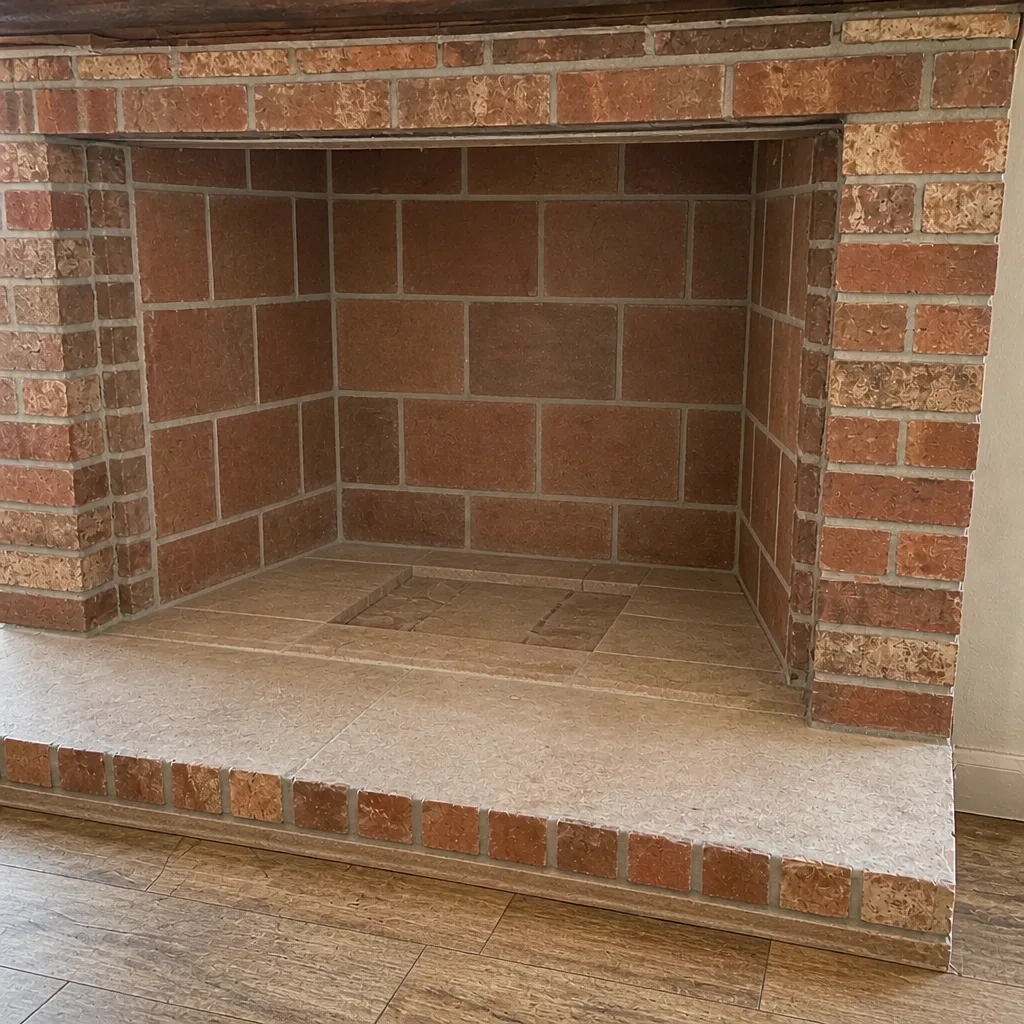
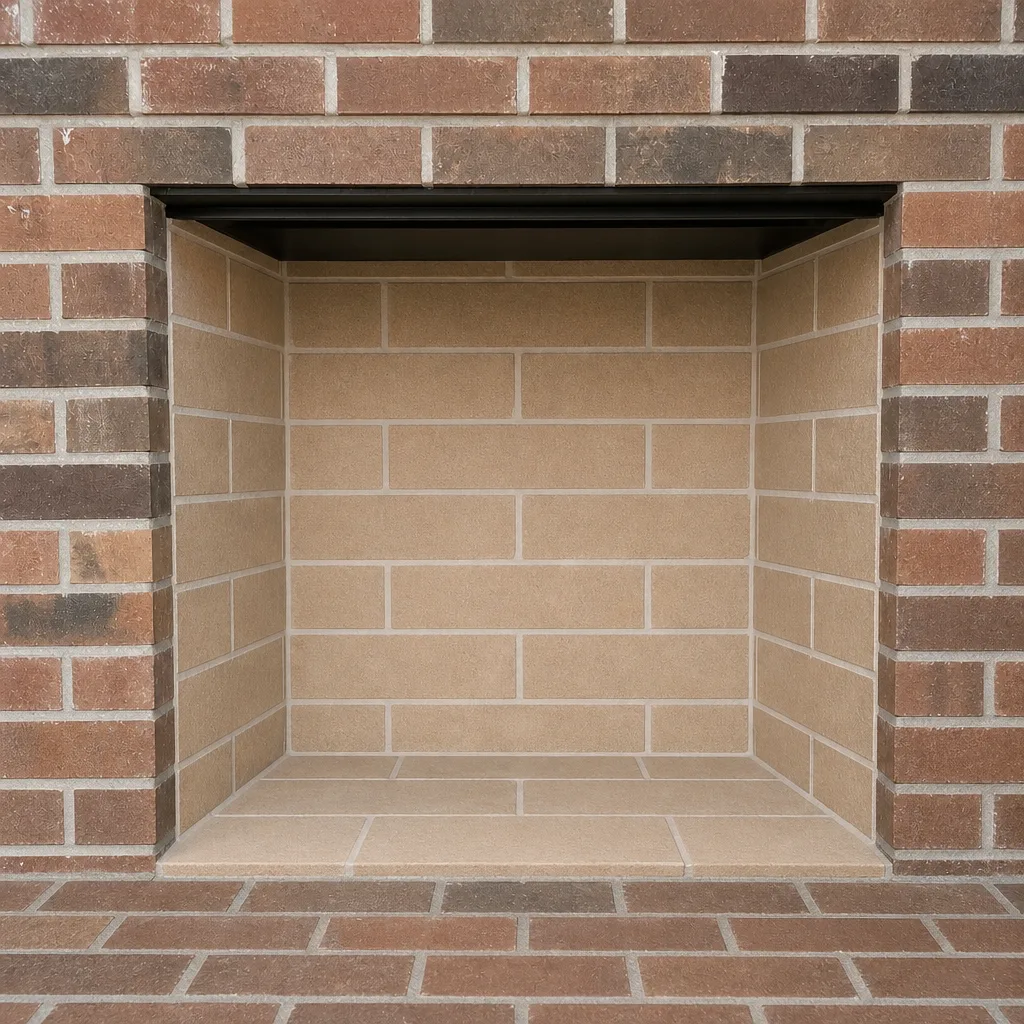
See the difference
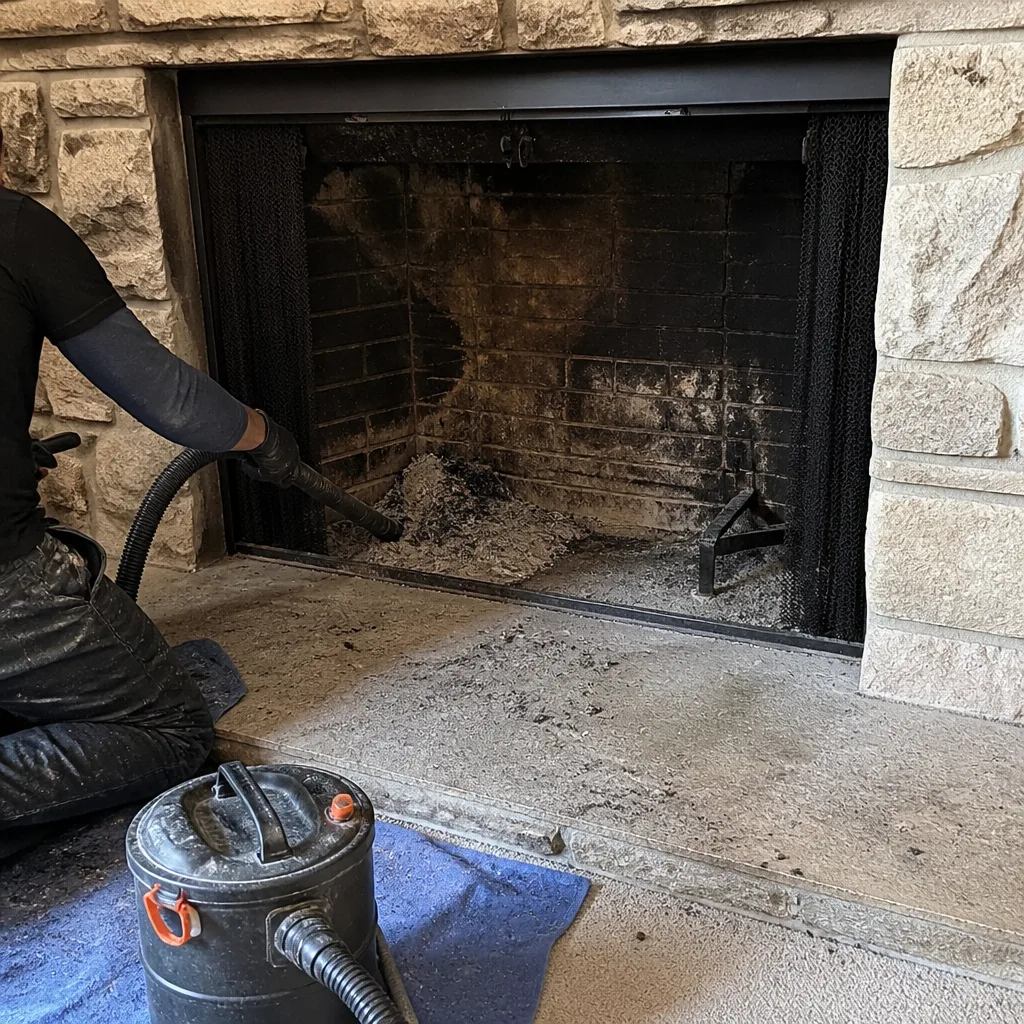 Before
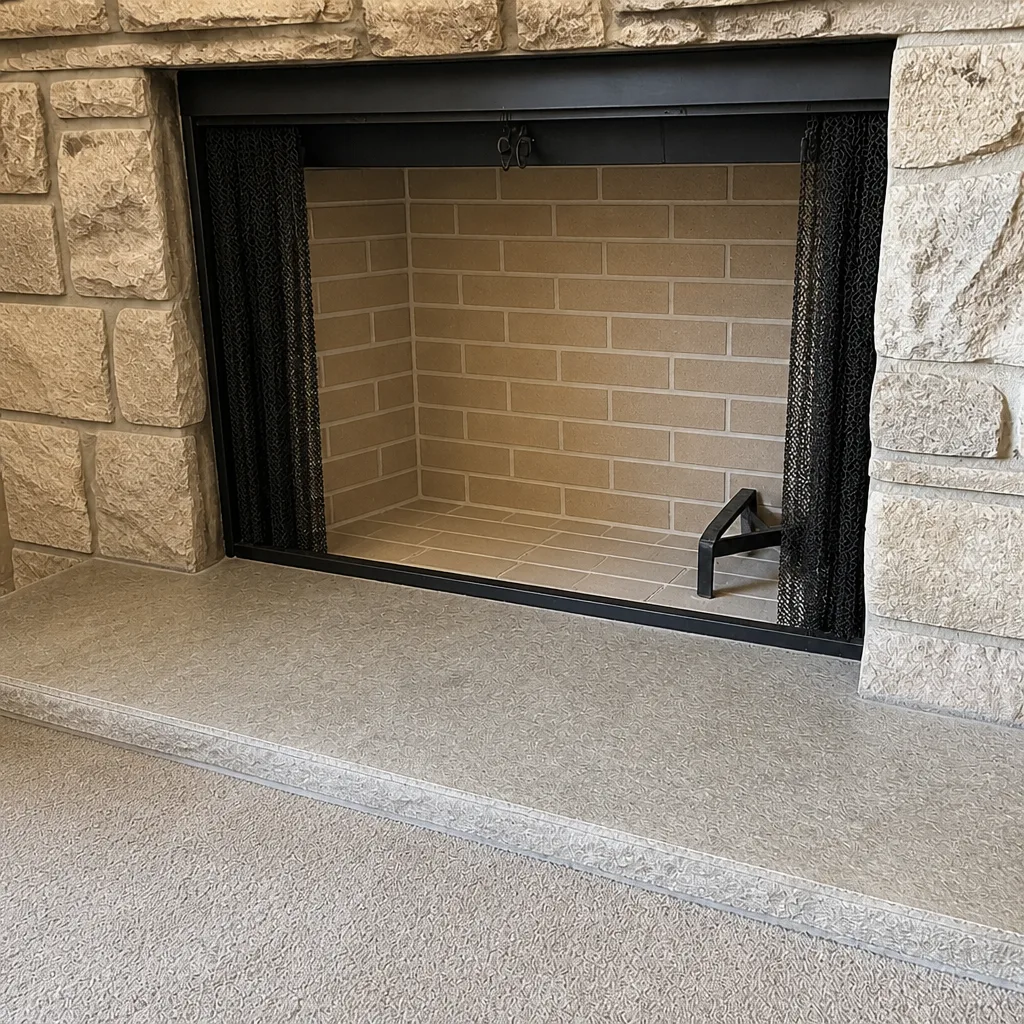 After
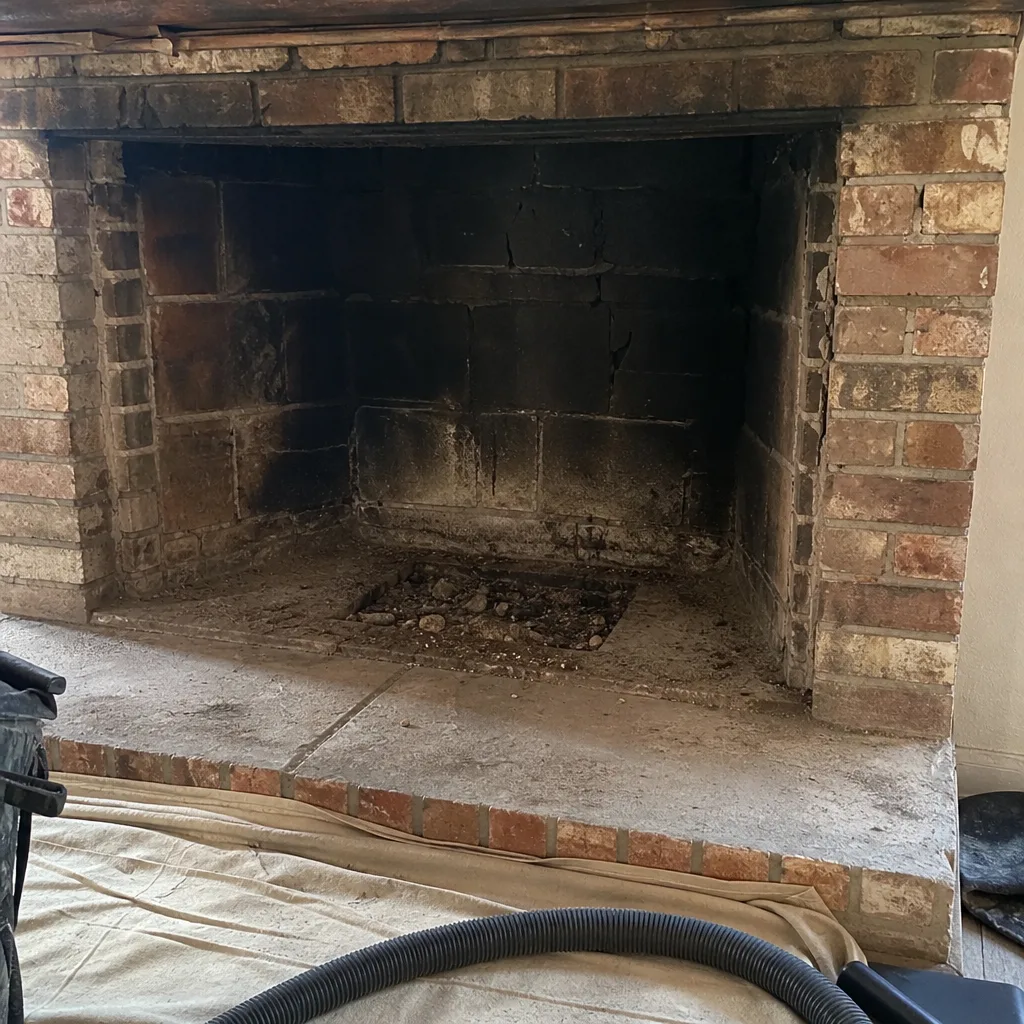 Before
 After
 Before
 After
When to Call a Professional
Call a chimney professional for any of the following: you’ve had any fire in the flue, even a small one; you smell smoke in the room during or after a fire; your CO detector has gone off and reset; your fireplace smokes on cold mornings or on windy days; you’ve moved into a new Centennial home and don’t have an inspection report; or you’re overdue for a sweep because your last one was a full season ago. We can also be the second opinion when a contractor you don’t fully trust recommends a full liner replacement – our inspections include camera footage you can see yourself, and a written scope of work before anything is ordered.
Centennial Chimney Sweep Pros offers free estimates in Centennial – call (866) 589-5349 to schedule. We answer 24/7. Fast dispatch from 7am to 7pm, Sunday through Friday.
Frequently Asked Questions
The single distinguishing signal is that the fire sounds, smells, or behaves differently than it normally does: a roaring or rumbling sound, a soft crackling behind the wall, dense smoke backing into the room, or a hot chimney breast. If you see any of those, stop use and call a chimney professional. If flames are visible at the top of the chimney, smoke is filling the room, or the structure is shaking, call 911 from outside the house. Call (866) 589-5349 for a professional assessment – estimates are free.
Yes. After any suspected chimney fire, a Level 2 inspection is standard because it’s the only way to see the interior of the flue with a camera and confirm whether the liner, the smoke chamber, and the surrounding framing are intact. Your insurer will typically require that inspection report before authorizing any repair, and no reputable sweep will relight the system without it. We include camera inspection and a photo report with the inspection; you see exactly what we see. Call (866) 589-5349 for a same-day assessment – estimates are free.
Call 911 if the fire is active: roaring, rumbling, flames visible, smoke dense in the room, or a CO alarm sounding. Call a sweep if the fire appears to have self-extinguished but the chimney shows signs of a slow-burn event: soft crackling, lingering smell, or visible soot patterns. The two responses don’t overlap – the fire department handles the active fire, the sweep handles the post-fire inspection and repair. If you’re unsure, err toward 911, then call us at (866) 589-5349 for the assessment that follows.
Yes. A cracked or displaced liner lets combustion gases escape into the chimney chase instead of drafting up and out. From there, CO can seep into wall cavities and living spaces, often with no smell and no obvious sign other than a CO detector alarm. A camera inspection during a routine sweep catches most liner problems before they leak. If you’ve had a CO alarm in a Centennial home with a fireplace, call (866) 589-5349 to book an inspection before relighting.
Once per year if you burn regularly, and before the start of each burning season regardless. Colorado’s long, cold winters and high-altitude draft mean many Centennial homeowners burn more volume than a lower-elevation sweep schedule would suggest, which is why an annual sweep is the baseline rather than the standard “every two years” some guides mention. If you’ve had any fire event in the flue, sweep immediately regardless of schedule. Call (866) 589-5349 to book a sweep – estimates are free.
You close the window on a claim and open the door to real risk. If a slow-burn fire has cracked the liner or warped the flue tile, the next fire sends combustion gases – including CO – somewhere other than up and out. Skip the inspection and you also lose the documentation your insurer needs, meaning any repair from the second incident is typically on you. Get the inspection first; nothing gets relit until it’s cleared. Call (866) 589-5349 for an assessment – estimates are free.
The Bottom Line
Chimney emergencies split into fast and slow, and the response is completely different for each. Fast-burn: get out, call 911, inspect after. Slow-burn: stop use, call a sweep, inspect after. Either way, the system is out of service until a Level 2 inspection clears it and your insurer has the documentation they need. The go-kit is the low-effort preparation that pays off in the worst hour, and the annual sweep is the cheapest emergency response you’ll ever buy. A chimney that’s been maintained correctly will last – which is the whole point of the Centennial name.
Contact Us
If you’ve had a chimney fire, suspect one, or just want a same-day sweep before burning season, call Centennial Chimney Sweep Pros at (866) 589-5349 for a free estimate. We work with the brands professionals specify – DuraFlex, HeatShield, Gelco, Olympia Chimney, Famco, and Copperfield – and we cover the whole system, from sweep to structural repair. We answer 24/7. Fast dispatch from 7am to 7pm, Sunday through Friday.
Written by the team at Centennial Chimney Sweep Pros.