
Last updated November 23, 2026
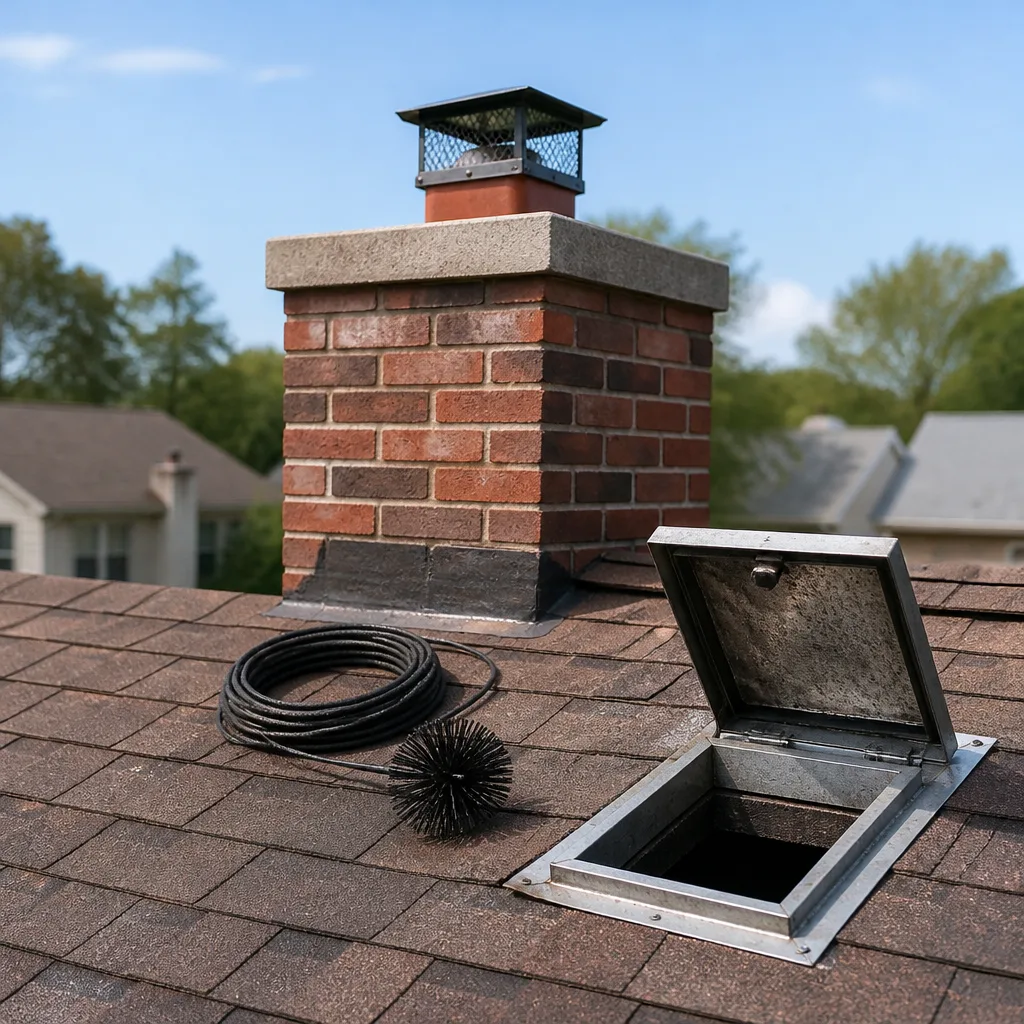 Sweep & inspection
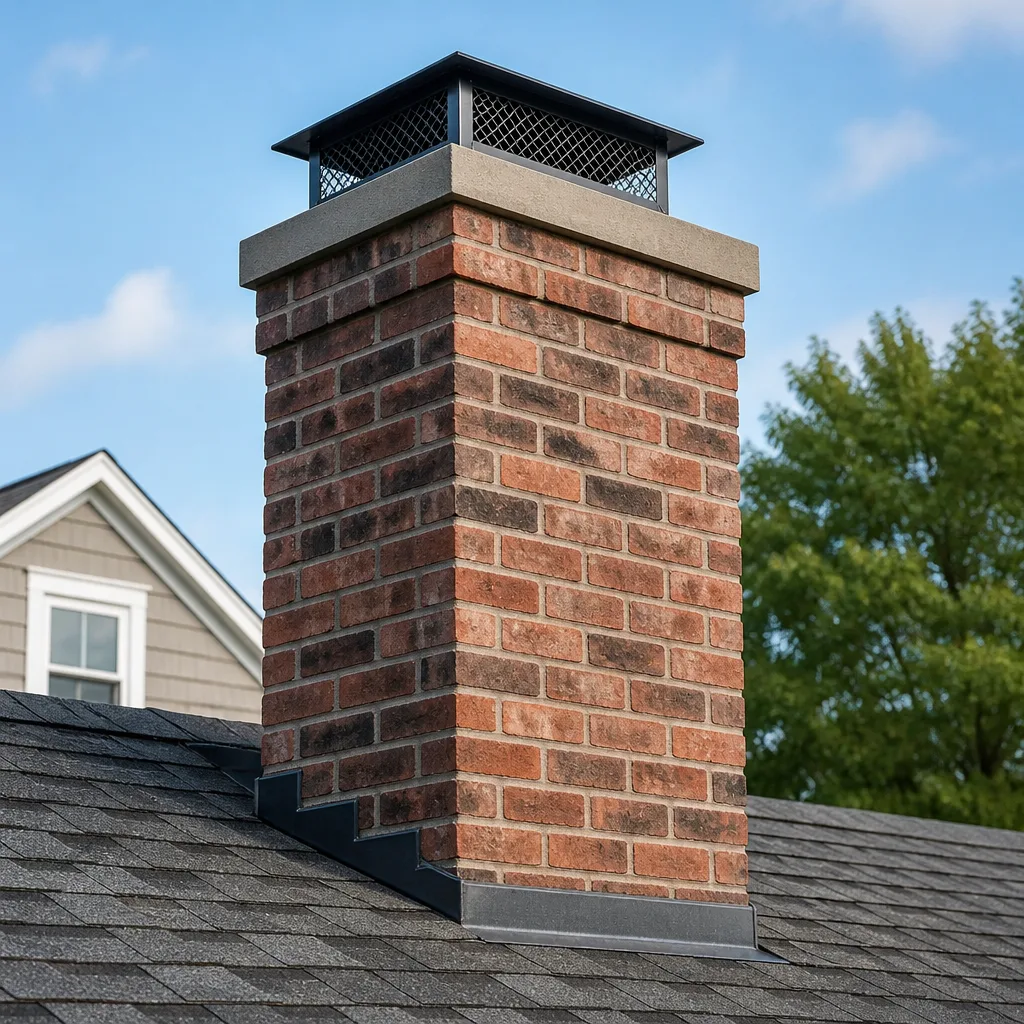 Caps & crowns
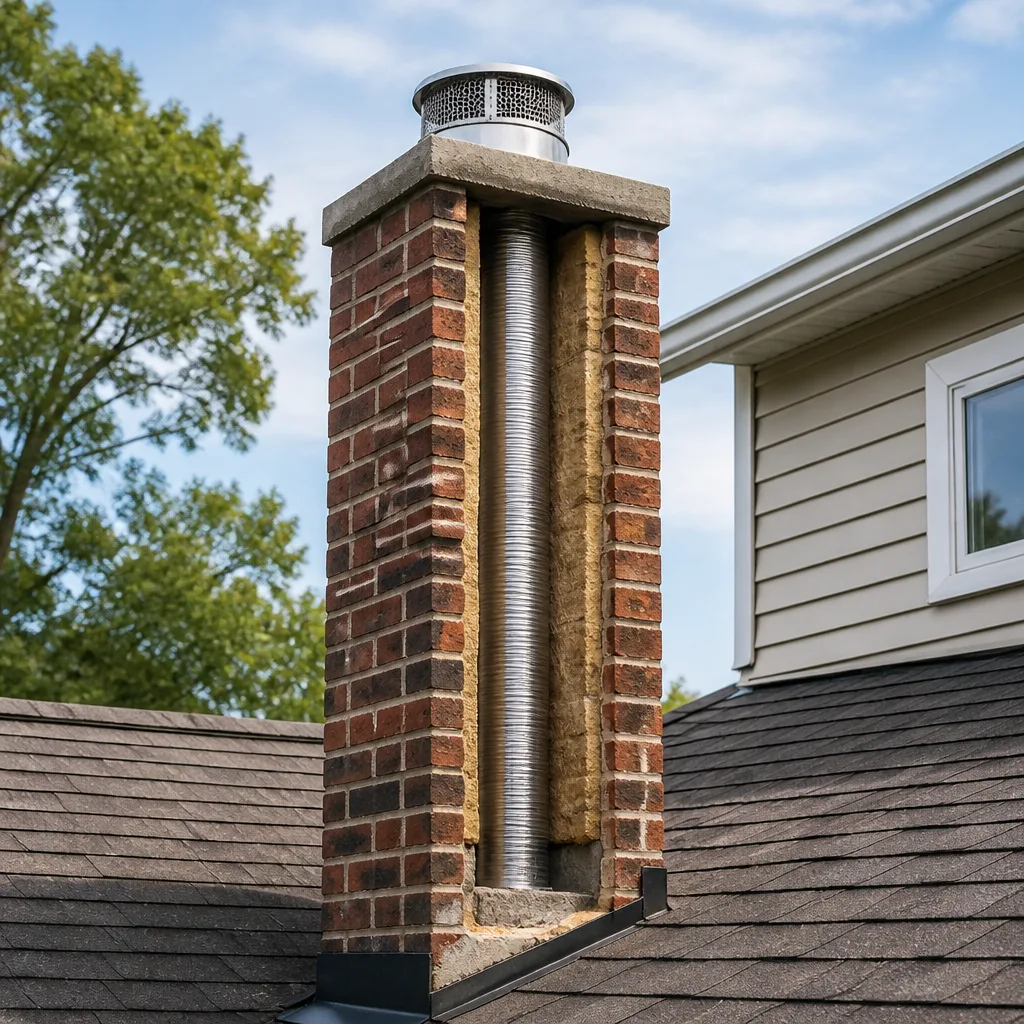 Flue relining
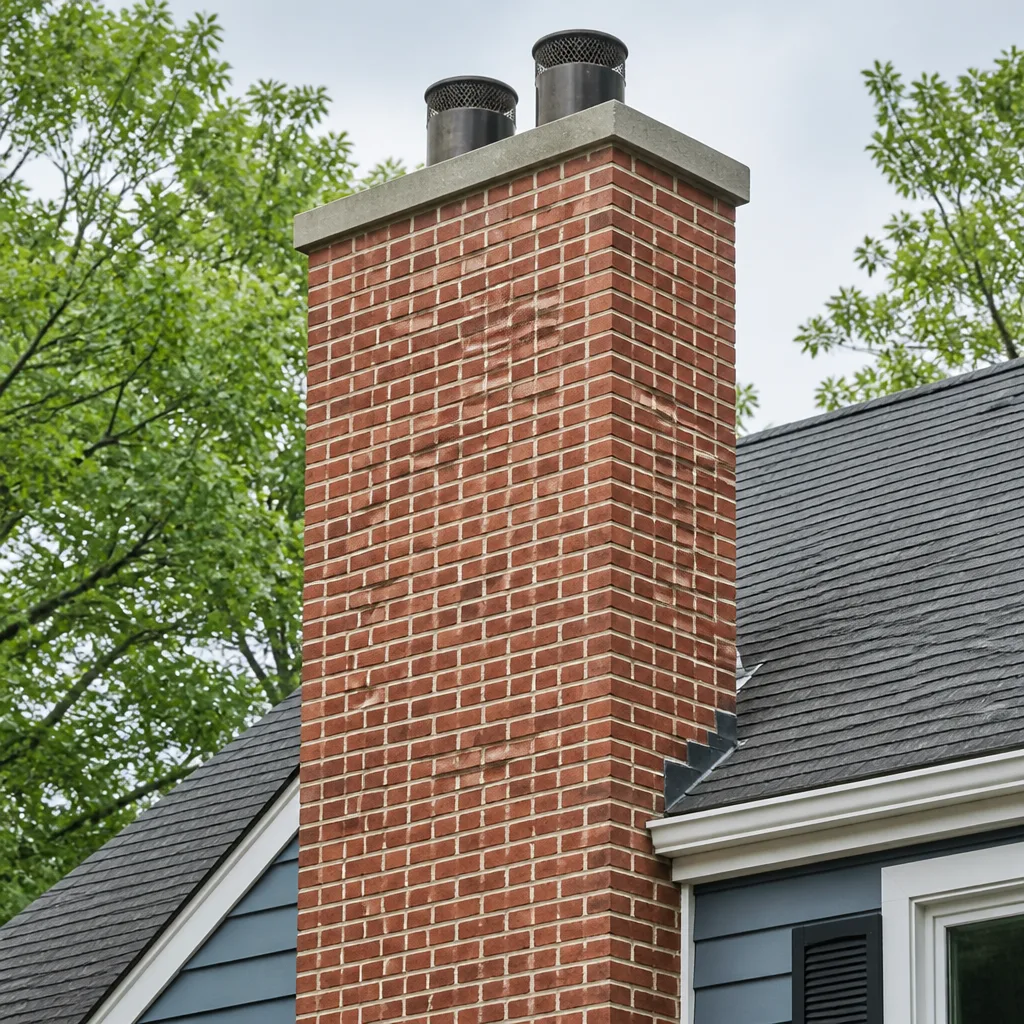 Masonry repair
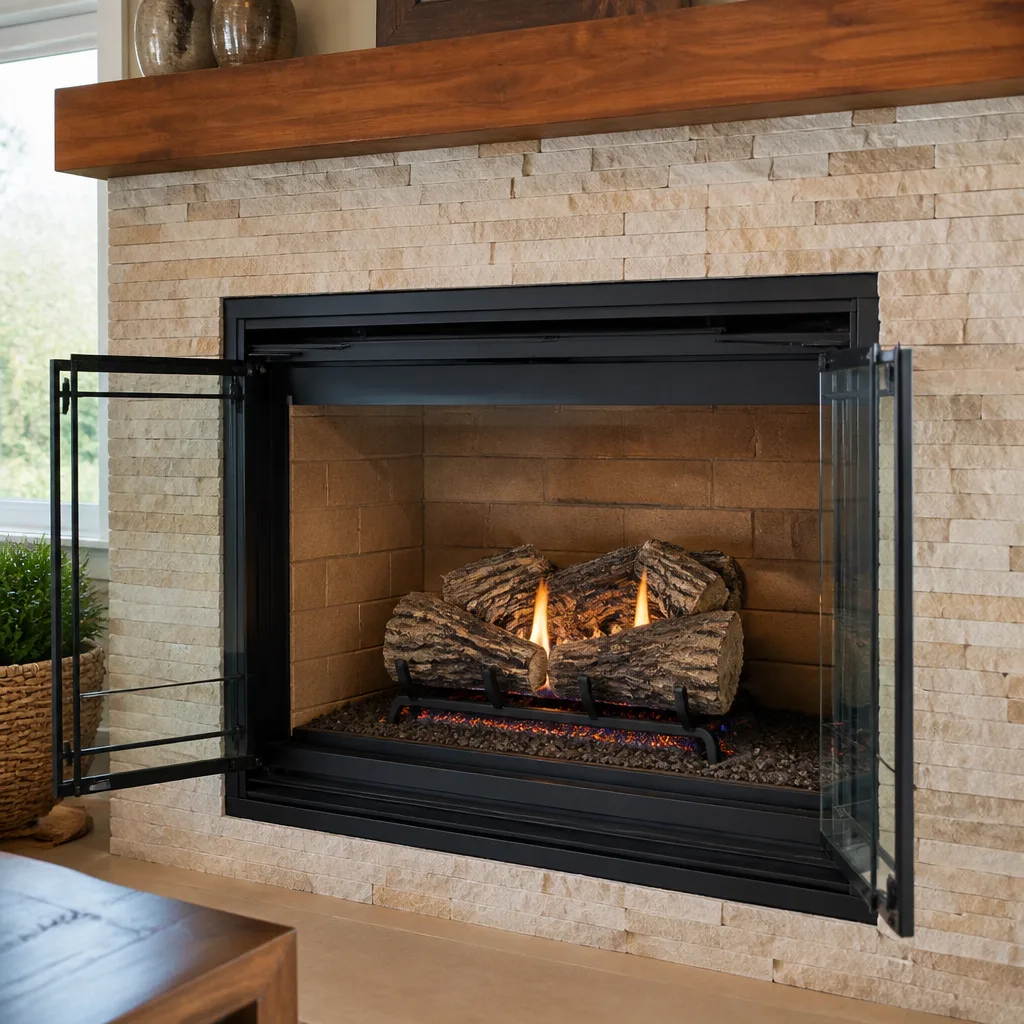 Gas fireplace service
Level 1 sweep and inspection to the NFPA 211 annual standard - flue, crown, cap, and flashing checked and photographed
Chimney sweep logs do not sweep chimneys. They loosen some creosote - which then falls where a brush and vacuum still have to collect it.
Chimney Cleaning Permits, Codes & Inspections in Centennial, CO: What You Need to Know
A chimney sweep doesn’t need a permit. That’s the part homeowners get right. The part they get wrong is assuming the permit question ends there. The moment a contractor cuts into a chase, resets a flue liner, rebuilds a firebox, or connects a new wood stove or gas insert, the work usually crosses from maintenance into permitted alteration. In Centennial, that line matters more than most people realize, because unpermitted chimney work can sit quietly behind finished walls for years until an insurance adjuster asks for paperwork that doesn’t exist. This guide maps exactly where that line sits, what an inspection actually certifies, and what records to keep. We’ll also cover how NFPA 211 and the International Residential Code apply to your fireplace, and how to protect yourself if you ever sell.
Quick Answer
In Centennial, routine chimney cleaning and sweeping are maintenance and don’t require a permit. Anything that alters your chimney system does: liner replacement, firebox rebuilds, new appliance connections, masonry structural changes, and most cap or crown replacements that involve structural work. Those projects typically fall under City of Centennial and Arapahoe County permit review, with the work expected to meet NFPA 211 and IRC Chapter 10 standards. A Level 2 inspection is the document that proves what’s inside the flue before and after the work, and it’s the record your insurer will want if there’s ever a loss.
Styles & brands we work with
- Sweep & inspection
- Caps & crowns
- Flue relining
- Masonry repair
- Gas fireplace service
Table of Contents
- Where chimney work crosses from maintenance into permitted alteration in Centennial
- How NFPA 211 and IRC Chapter 10 fit together for Centennial homeowners
- What a Level 2 inspection report means, especially in a real estate transaction
- The permit trail that protects you: what to keep and for how long
- Repairs that surprise homeowners with permit requirements
- Why Centennial’s climate and housing stock make this matter
- Inspection levels explained, and when each one applies
- How a permitted chimney job actually runs, step by step
Where chimney work crosses from maintenance into permitted alteration in Centennial
The threshold isn’t intuitive, and it’s the single most common source of confusion we run into. Homeowners hear “chimney cleaning” and assume the whole category is permit-free. That’s true for sweeping. It’s not true once the work touches the structure of the system.
A chimney sweep is maintenance. So is a Level 1 or Level 2 inspection, cap replacement that bolts onto an existing flue without altering the crown or chase, and minor firebox firebrick touch-ups. Those are the things you can have done without a permit.
Permitted alteration starts when the work changes the system rather than cleaning it. In Centennial, this generally includes:
- Liner replacement or relining, including cast-in-place liner restoration where a new flue surface is created inside the existing chase.
- Firebox rebuilds that involve masonry removal or replacement of structural firebox components.
- New appliance connections: wood stoves, gas inserts, and freestanding units that require a new flue, a change to the flue, or a new venting configuration.
- Structural masonry repair to the chimney stack, crown, or chase, particularly when the work involves removing or replacing more than surface material.
- Chase alterations and any work that opens a finished wall to access the flue.
Some of these live squarely under City of Centennial permitting, and others fall to Arapahoe County depending on where in the city you are. A short call to the city’s building department before work begins is always the fastest way to confirm which jurisdiction applies, and a good contractor will tell you the answer before you ask. If you’re simply due for a cleaning, a straightforward chimney sweep never triggers a permit, and it shouldn’t.
How NFPA 211 and IRC Chapter 10 fit together for Centennial homeowners
Two documents govern chimney work in Centennial, and they do different jobs. NFPA 211 is the national standard for chimneys, fireplaces, vents, and solid-fuel appliances. IRC Chapter 10 is the building code section that adopts and enforces chimney and fireplace requirements at the local level. Your permit gets issued against the IRC. The technical standard your chimney has to meet to pass inspection is NFPA 211.
In plain terms, the IRC is the rulebook, and NFPA 211 is the benchmark. When a Centennial building inspector signs off on a new liner installation or a firebox rebuild, they’re checking the work against the IRC’s requirements, which in turn reference NFPA 211’s clearances, materials, and construction standards. That’s why a permitted job and a licensed contractor go together. The permit forces the work to be verified against the standard; the contractor’s knowledge of the standard is what makes it pass.
What this means for you as a homeowner:
- A contractor who doesn’t know the difference between IRC and NFPA 211 requirements is not qualified to do permitted work.
- Liner materials have to be rated for the appliance and the flue configuration. That’s an NFPA 211 area, not a cosmetic choice. The liner brands you’ll see specified in Centennial are the ones that carry the correct listings for the applications they’re used in, which is why we work with DuraFlex and HeatShield systems when a flue needs restoration.
- Clearances to combustibles matter. Even a beautiful rebuild can fail inspection if clearances to nearby framing aren’t right.
- Gas insert installations have their own venting and clearance requirements under the same framework. They are not exempt from the code just because they don’t burn wood.
We tell homeowners the same thing every time: the code isn’t the enemy of a good installation, it’s the checklist that keeps a bad one from hiding in your wall.
What a Level 2 inspection report means, especially in a real estate transaction
A Level 2 inspection is the one that matters most for Centennial real estate, and most buyers don’t ask for it. That’s a gap worth closing. A Level 2 inspection includes everything a Level 1 does, plus a visual inspection of accessible portions of the chimney exterior and interior, the attic, crawlspace, and any accessible connections, using video scanning of the flue when necessary. It’s the inspection that can find a hidden crack, a collapsed liner section, or an unlisted appliance connection before closing rather than after.
In Colorado real estate transactions, sellers are obligated to disclose known material defects, and a chimney with a compromised flue is one. But disclosure only covers what the seller actually knows. A buyer who relies on the seller’s disclosure alone has no independent verification. The Level 2 inspection is that verification.
What buyers should request independently:
- A Level 2 inspection by a qualified technician, not the seller’s contractor.
- A written report with photo documentation of the flue interior and any deficiencies noted.
- Confirmation of the appliance type connected to the flue and whether the installation was permitted.
- Any prior inspection, cleaning, or repair records the seller can produce.
Buyers sometimes ask whether the standard home inspection covers this. It doesn’t. A general home inspector will note the presence of a fireplace; they won’t run a camera through the flue. If you’re buying a home in Centennial with a wood-burning fireplace or insert, request the Level 2 inspection before your inspection contingency expires. If the seller’s contractor did the work, ask who pulled the permit. Sometimes nobody did.
The permit trail that protects you: what to keep and how long
The permit is half the protection. The paper trail is the other half. After a permitted chimney project in Centennial, here’s what you should be able to hand an insurance adjuster or a future buyer without digging:
- The permit itself, including the permit number and the issuing jurisdiction (City of Centennial or Arapahoe County).
- The final inspection sign-off showing the work passed.
- The contractor’s written scope of work describing exactly what was done and what materials were installed.
- Product documentation for the liner, cap, or appliance, including the manufacturer’s listing and installation instructions. That’s the record an insurer may ask for to verify a DuraFlex or HeatShield liner was installed per the listing.
- Before-and-after photos of the flue interior and any masonry work. Most contractors capture these; make sure you get copies.
- The inspection report that established the condition of the flue before the work.
How long to keep them: at least as long as you own the home, and ideally for the life of the installation. If you sell, include them in your disclosure packet. A buyer with a documented, permitted chimney is a buyer who doesn’t ask for a price reduction. If you plan to file an insurance claim after a chimney-related loss, the adjuster will want to see the permit, the final inspection, and the product documentation before they’ll confirm coverage for the work that caused the loss. A contractor who didn’t pull the permit didn’t just skip a step. They took away your proof that the work was done right.
Repairs that surprise homeowners with permit requirements
These are the three projects that most often catch Centennial homeowners off guard, and they’re worth knowing before you get a quote.
Liner replacement
A new liner is a change to the flue itself, and in Centennial that’s a permitted alteration. This includes cast-in-place restoration, which creates a new flue surface inside the existing chase. The surprise here isn’t usually the permit, it’s the timeline. A permitted liner job takes longer than a sweep, and the inspection has to happen before the chase is closed back up. We work with HeatShield for cast-in-place restoration because it lets us restore a deteriorating flue without a full tear-out, but the permit still applies. If a contractor quotes you a liner replacement with no mention of a permit, ask the question. You’ll get one of two answers, and only one of them is right.
Firebox rebuilds
A firebox rebuild that involves removing and replacing structural masonry is a permitted alteration. A patch to a cracked firebrick is not. The line is whether the work changes the structural firebox, and it’s worth having the answer confirmed before the crew shows up, because a rebuild that skipped the permit is the kind of thing an insurer will find after a fire, not before.
New appliance connections
Connecting a wood stove, gas insert, or freestanding unit to a chimney usually requires a permit because the venting configuration changes. This includes replacing an old insert with a new one if the venting is being modified. The appliance itself may be listed and ready to go, but the connection has to be verified against the flue and clearances, and that’s what the permit covers.
Why Centennial’s climate and housing stock make this matter
Centennial sits in the South Metro Denver area with a dry, high-altitude climate and significant freeze-thaw cycling through the cold months. That combination is hard on masonry. Water gets into a hairline crack in the crown, freezes overnight, expands, and opens the crack a little more. A few winters of that and the crack is a structural issue. The climate doesn’t usually fail a chimney suddenly; it works on it slowly, which is exactly why the inspection record matters. Damage that accumulated over multiple heating seasons is far easier to document and address when there’s a baseline inspection on file.
The housing stock adds another layer. Centennial has a wide range of home ages and chimney types, from older masonry builds in established neighborhoods to newer homes with prefab and gas-appliance chimneys. Each type has different code requirements and different failure modes. A masonry chimney with a clay tile liner and a prefab unit with a factory-built flue are not inspected the same way, and they don’t fail the same way. Somebody who treats every chimney the same way is somebody who hasn’t looked closely enough.
All of this affects the permit conversation. A repair that’s routine on a newer prefab chimney may be a permitted alteration on an older masonry stack, particularly if the flue has already been relined once. The right question isn’t “does this need a permit” in the abstract. It’s “what does the code require for this chimney, in this house, at this stage of its life.”
Inspection levels explained, and when each one applies
NFPA 211 defines three inspection levels, and knowing which one you need saves time and money. Here’s the breakdown as we apply it in Centennial:
- Level 1 inspection. A visual check of the readily accessible portions of the chimney and appliance without tools that would disturb the structure. It’s what’s included with a routine sweep, and it’s appropriate when the appliance hasn’t changed and there’s no known problem. Annual Level 1 inspection is the baseline for a working fireplace.
- Level 2 inspection. Everything in a Level 1, plus accessible portions of the attic, crawlspace, and interior, with video scanning of the flue as needed. Required when an appliance changes, a property changes hands, a chimney has suffered a known event like a chimney fire or seismic activity, or a Level 1 reveals a need for closer study. This is the inspection buyers should request independently.
- Level 3 inspection. Diagnostic inspection that may require removing parts of the chimney or building to access concealed areas. Used when a Level 2 identifies a hazard that can’t be fully evaluated without opening things up.
When we show up for a routine Centennial Chimney Sweep Pros visit, a Level 1 plus a sweep is where most homeowners start. If the video scan from a Level 2 turns up a cracked tile or a failed liner joint, the next step is a conversation about repair, and that’s where the permit question enters. We tell you what we find, and we fix it. What we don’t do is tell you that you need a new liner without showing you the camera evidence.
How a permitted chimney job actually runs, step by step
If a sweep says your flue needs work and that work requires a permit, here’s what the process looks like from the homeowner’s side. We’ve walked Centennial homeowners through this enough times to know the questions that come up.
- Inspection establishes the scope. A Level 2 inspection identifies what’s wrong. The report with photo documentation is the basis for everything that follows.
- Written estimate and permit determination. The contractor confirms whether the work needs a permit and which jurisdiction issues it. If a permit is needed, the permit application and fees are part of the project cost. The written estimate is the price; a verbal number isn’t.
- Permit pulled before work starts. The permit is pulled in the homeowner’s name and jurisdiction, with the contractor listed as the installing party. The permit should be posted or available before work begins.
- Work performed to code. Liner, firebox, or appliance installation is done to IRC Chapter 10 and NFPA 211 requirements. Brand selection matters here. We work with DuraFlex, HeatShield, Copperfield, and Famco because those are the lines that hold up under inspection and are specified by professionals, not because they’re the cheapest on the shelf.
- Inspection and sign-off. The building inspector verifies the work. Any issues get corrected before sign-off. You should receive documentation of the passed inspection.
- Paperwork to you. Permit, final inspection, product documentation, photos, and the original inspection report. Keep all of it.
From sweep to structural repair, this is the sequence. The point of it is that you can point at a document and say “this work was permitted and inspected.” That’s the difference between a repair and a liability.
Common Mistakes to Avoid
- Assuming all chimney work is permit-free. Sweeping isn’t permitted. Relining, firebox rebuilds, and new appliance connections usually are. Ask before you book, not after.
- Skipping the Level 2 inspection on a home purchase. In Colorado, seller disclosures only cover what the seller knows. A Level 2 inspection is independent verification, and it’s the single best protection a Centennial buyer has on a home with a fireplace.
- Hiring a contractor who doesn’t mention the permit. If the quote for a liner replacement doesn’t come with a permit conversation, that’s a red flag. The permit is part of the job, not an optional add-on.
- Not keeping the paperwork. A permit that gets thrown away is a permit that can’t protect you. Keep the permit, the final inspection, the product documentation, and the photos together, and treat them like your deed and your insurance policy.
- Replacing a liner with a product that isn’t listed for the application. NFPA 211 requires the liner to be listed for the appliance and flue. Using whatever material is on hand can pass a visual glance and fail an inspection.
- Assuming a gas insert is exempt. Gas inserts have their own venting and clearance requirements, and connecting one is usually a permitted alteration.
- Trusting a verbal “it’s fine.” Ask for the inspection report with photos. If a contractor can’t produce one, you don’t have a record, and you don’t have protection.
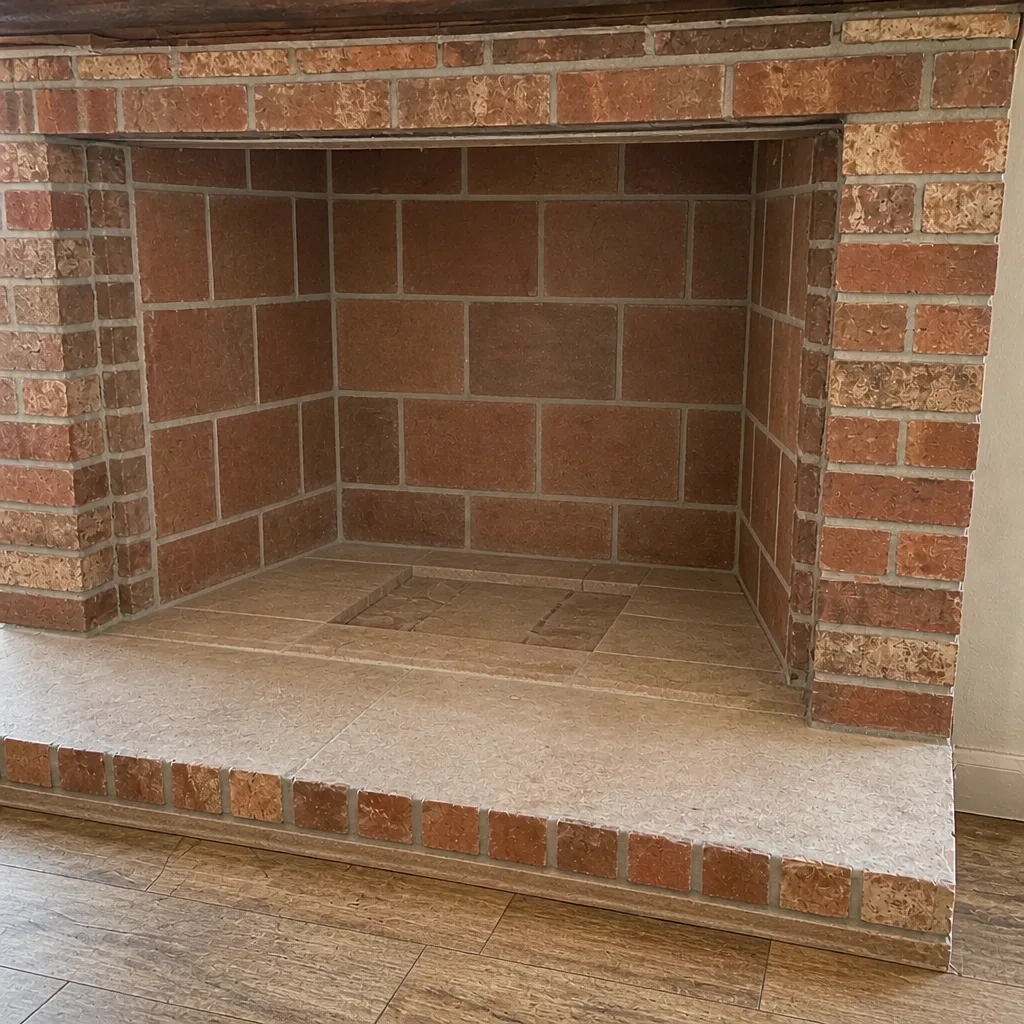
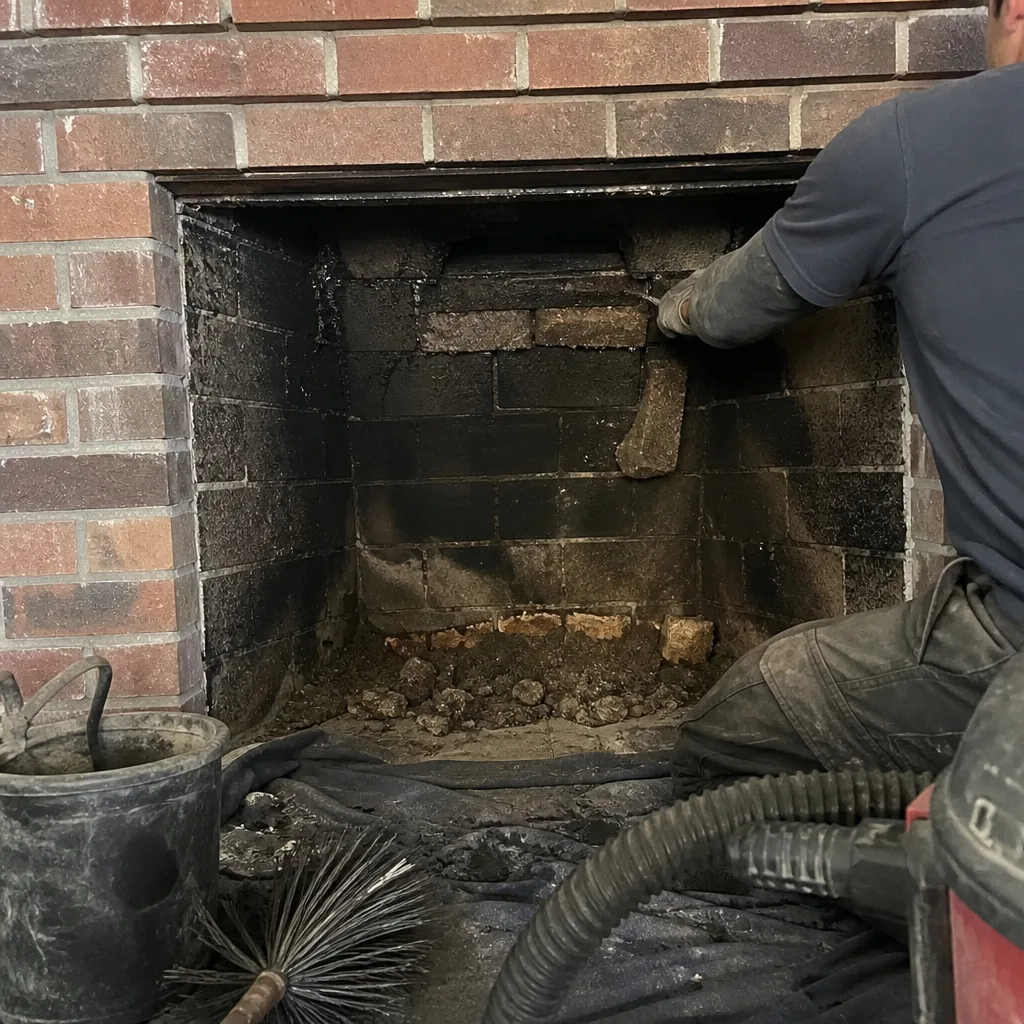
See the difference
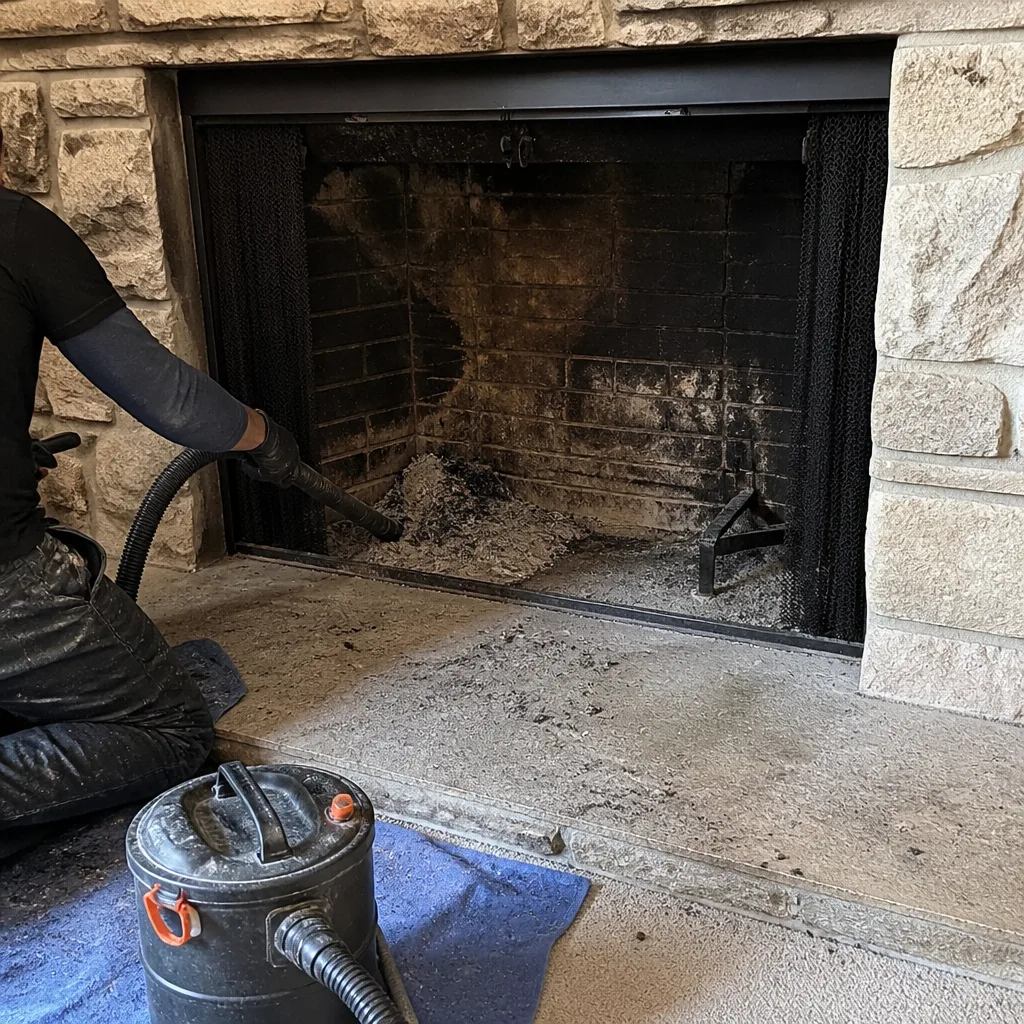 Before
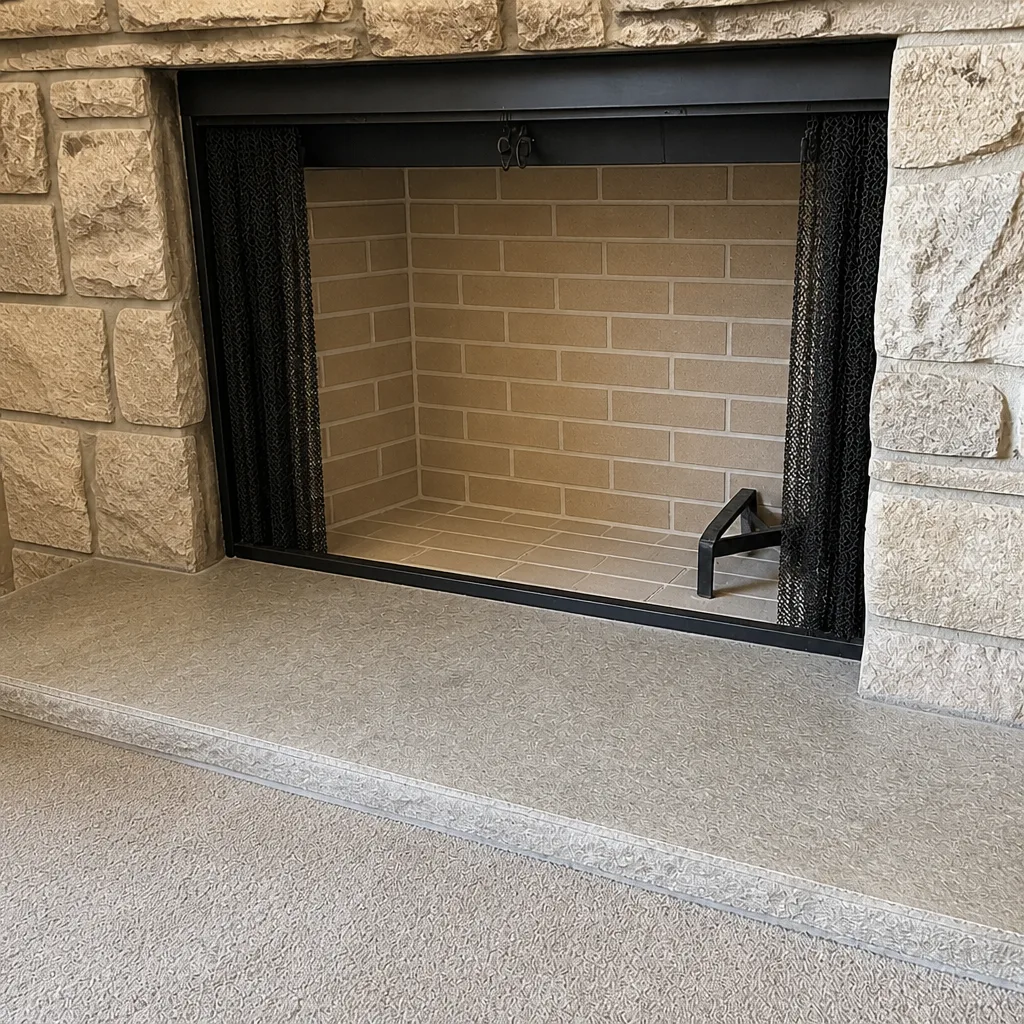 After
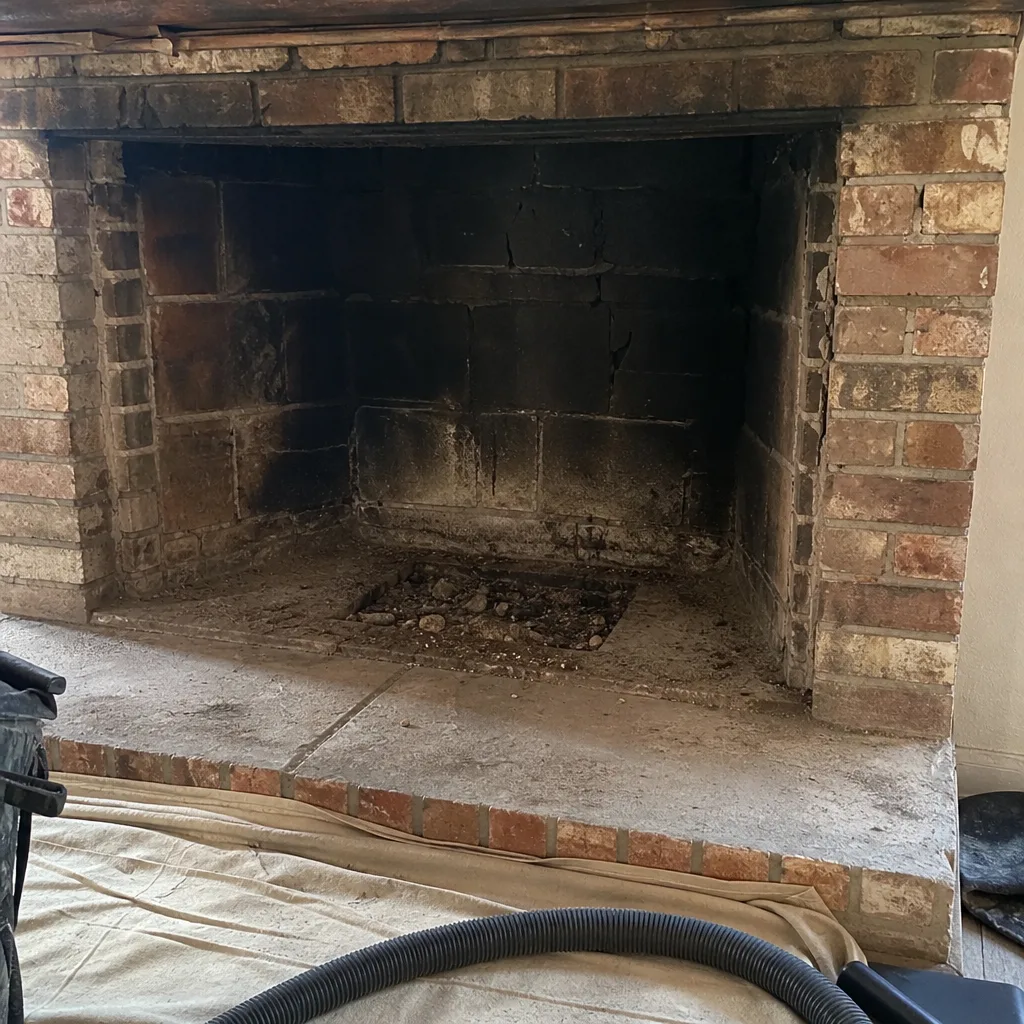 Before
 After
 Before
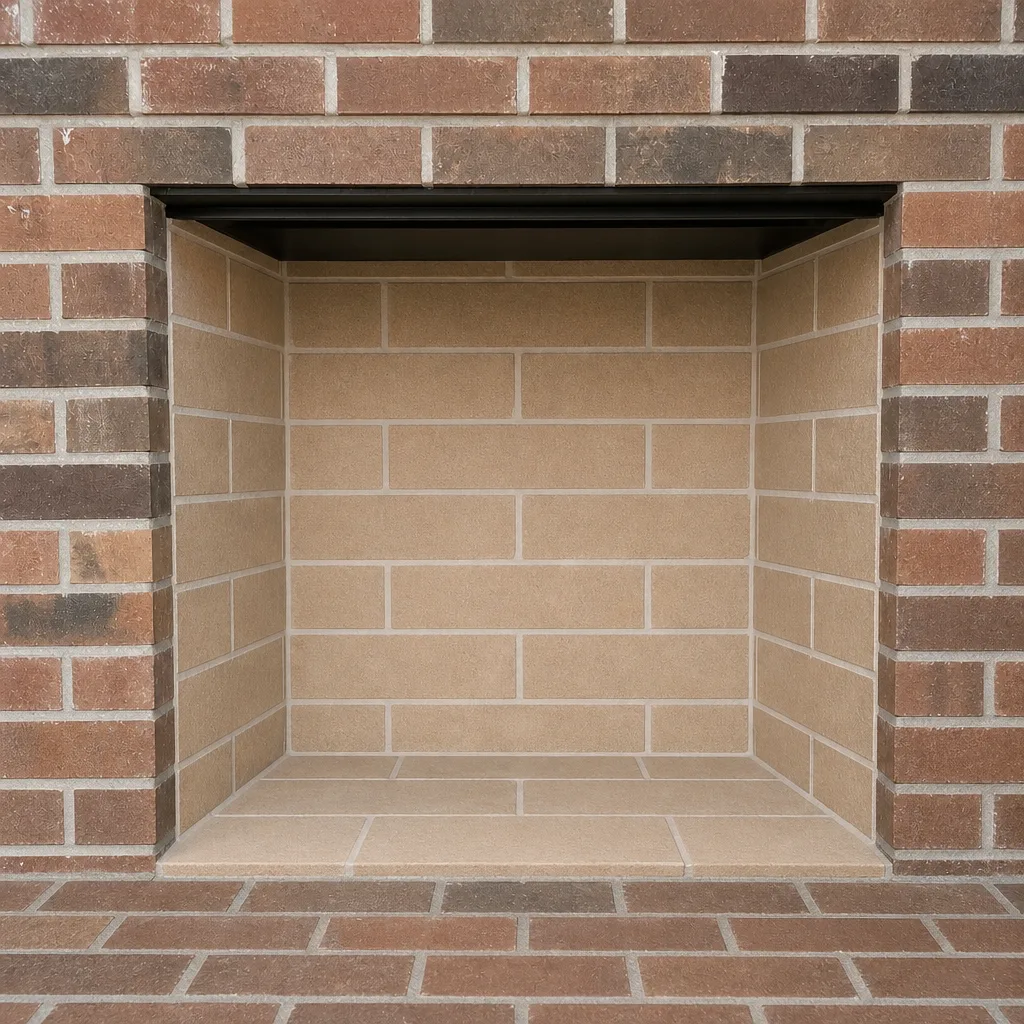 After
When to Call a Professional
Call us when the questions in this guide get specific to your house. Some situations belong in the hands of a trained technician: a fireplace that’s never been inspected, a chimney that’s changed appliances, a home purchase that’s moving toward closing, a flue that hasn’t been swept in years, or anything that touches a liner, firebox, masonry, or cap structure. Our technicians have up to 8 years of experience with Centennial chimney systems, and we do the whole job from sweep to structural repair in one company. If you’ve been told you need a liner or masonry work and you’re not sure whether that’s real, call us and we’ll show you the camera evidence before you decide anything.
Centennial Chimney Sweep Pros offers free estimates in Centennial. Call (866) 589-5349. We answer 24/7. Fast dispatch from 7am to 7pm, Sunday through Friday. The estimate is free and the price is set per job by the written estimate. If your chimney cap & crown needs attention or your fireplace repair has been put off for a season too long, we can look at those under the same visit.
Frequently Asked Questions
No. Routine chimney cleaning and sweeping are maintenance activities and don’t require a permit in Centennial, Arapahoe County, or anywhere else in the metro area. A permit becomes part of the picture only when the work alters the chimney system: liner replacement, firebox rebuilds, new appliance connections, or structural masonry work. Call (866) 589-5349 for an exact answer on your specific job. Estimates are free.
Usually yes. Liner replacement, including cast-in-place restoration, is an alteration to the flue and generally requires a permit through the City of Centennial or Arapahoe County depending on where the home sits. The exact permit path depends on the jurisdiction and the scope, and a good contractor will confirm it before work begins. Call (866) 589-5349 to talk through your project. Estimates are free.
A Level 1 is a visual check of the readily accessible chimney and appliance, and it’s included with a routine sweep. A Level 2 goes further: it covers accessible attic and crawlspace areas, uses video scanning of the flue when needed, and is the inspection required when an appliance changes or a property changes hands. Buyers in Centennial should request a Level 2 inspection independently rather than rely on the seller’s disclosure. Call (866) 589-5349 to book one. Estimates are free.
As long as you own the home, and ideally for the life of the installation. Keep the permit, the final inspection sign-off, the written scope of work, the product documentation for the liner or appliance, and the before-and-after photos together. An insurer may ask for these after a chimney-related loss, and a buyer will ask for them at resale. Call (866) 589-5349 if you need a copy of records from work we performed. Estimates are free.
No, and we won’t try. Nothing is recommended without camera evidence you can see for yourself. The video scan is what establishes the condition of the flue, and it’s what we base the recommendation on. If there’s no evidence of a problem, we say so, and we tell you when the work can safely wait. Call (866) 589-5349 to schedule a sweep and inspection. Estimates are free.
Centennial’s freeze-thaw cycling is hard on masonry, and that’s one reason annual Level 1 inspections make sense for a fireplace that’s in regular use. Damage accumulates over multiple seasons, and a baseline inspection record makes it easier to catch small issues before they become structural repairs. If your chimney hasn’t been inspected in a while, that’s the reason to book. Call (866) 589-5349. Estimates are free.
The Bottom Line
Sweeping doesn’t need a permit. Altering the chimney does, and in Centennial that’s liner replacement, firebox rebuilds, new appliance connections, and structural masonry work. The permit and the inspection report are what turn a repair into documented work, and that documentation is what protects you at resale and after a loss. Keep it. Ask for the Level 2 inspection on a home purchase, and don’t take a verbal reassurance in place of a report with photos. Our technicians have up to 8 years of experience, and we do the full scope from sweep to structural repair under one company. We work with the brands professionals specify, and we tell you what we find, and we fix it. Your chimney is a system, and it’s built to last when it’s done right.
Call Centennial Chimney Sweep Pros at (866) 589-5349 for a free estimate. We answer 24/7. Fast dispatch from 7am to 7pm, Sunday through Friday. The written estimate sets the final price, and nothing gets recommended to you without camera evidence you can see for yourself.
Written by the team at Centennial Chimney Sweep Pros.