
Last updated November 23, 2026
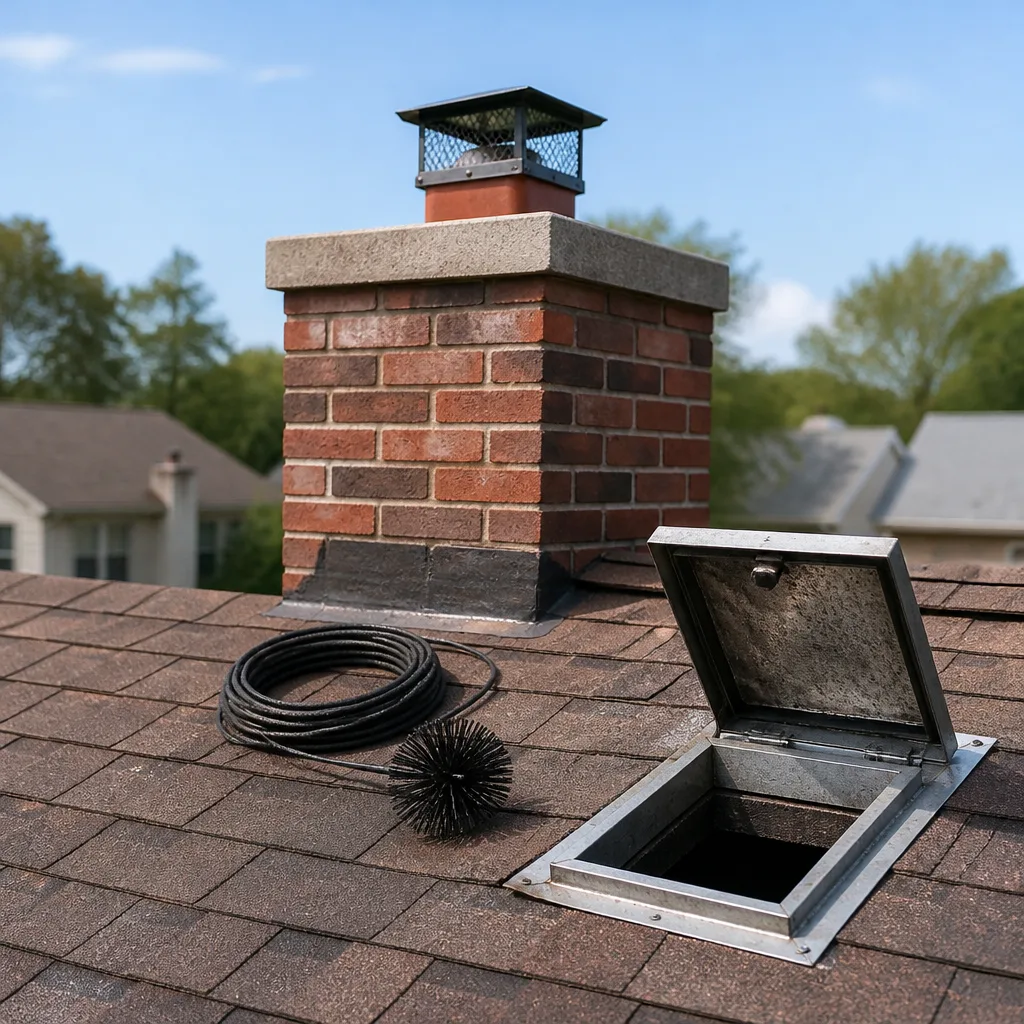 Sweep & inspection
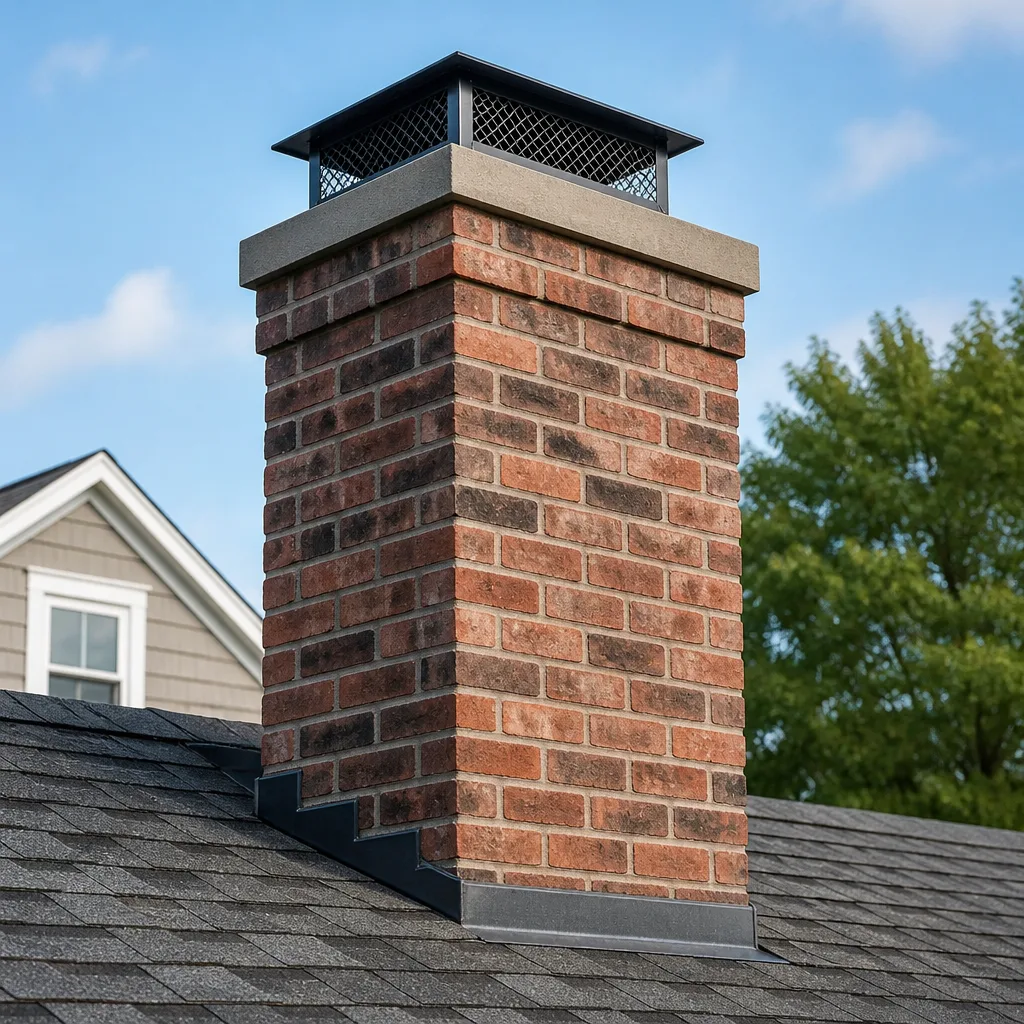 Caps & crowns
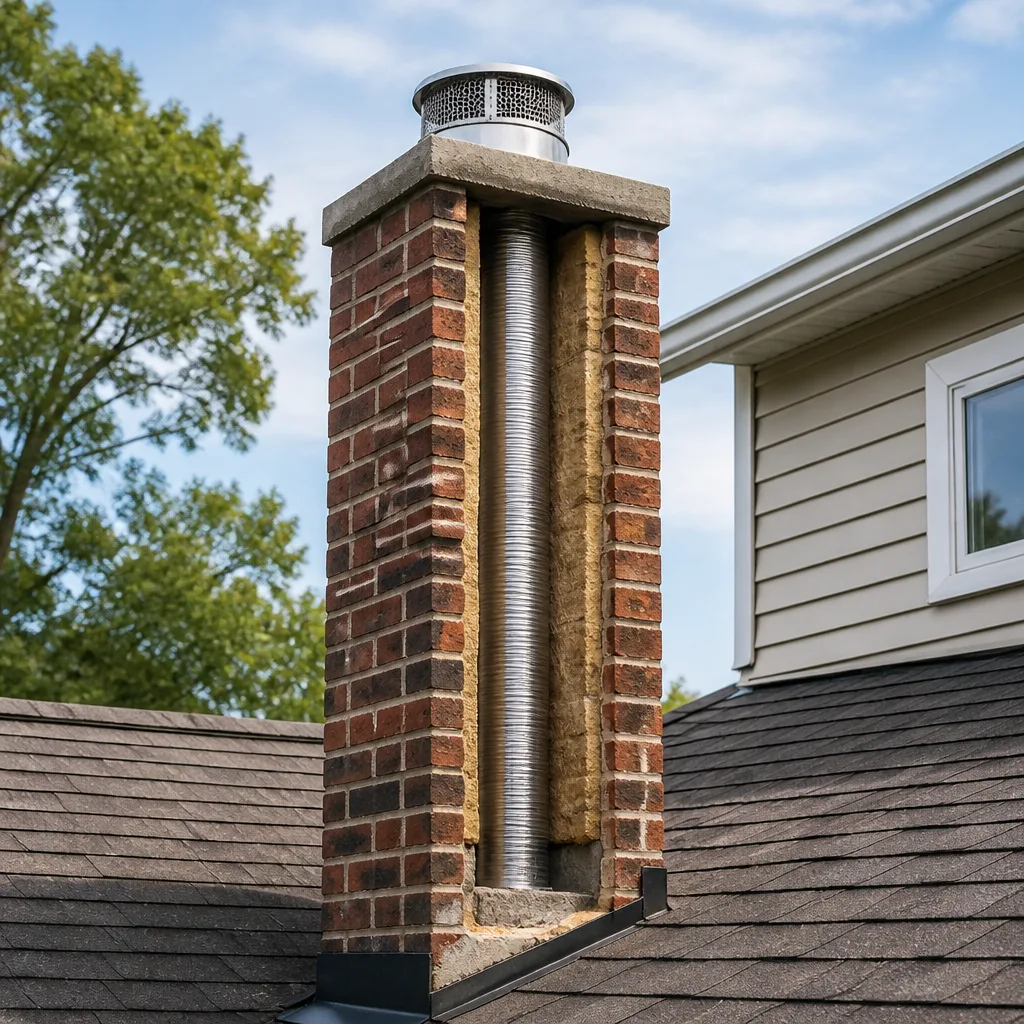 Flue relining
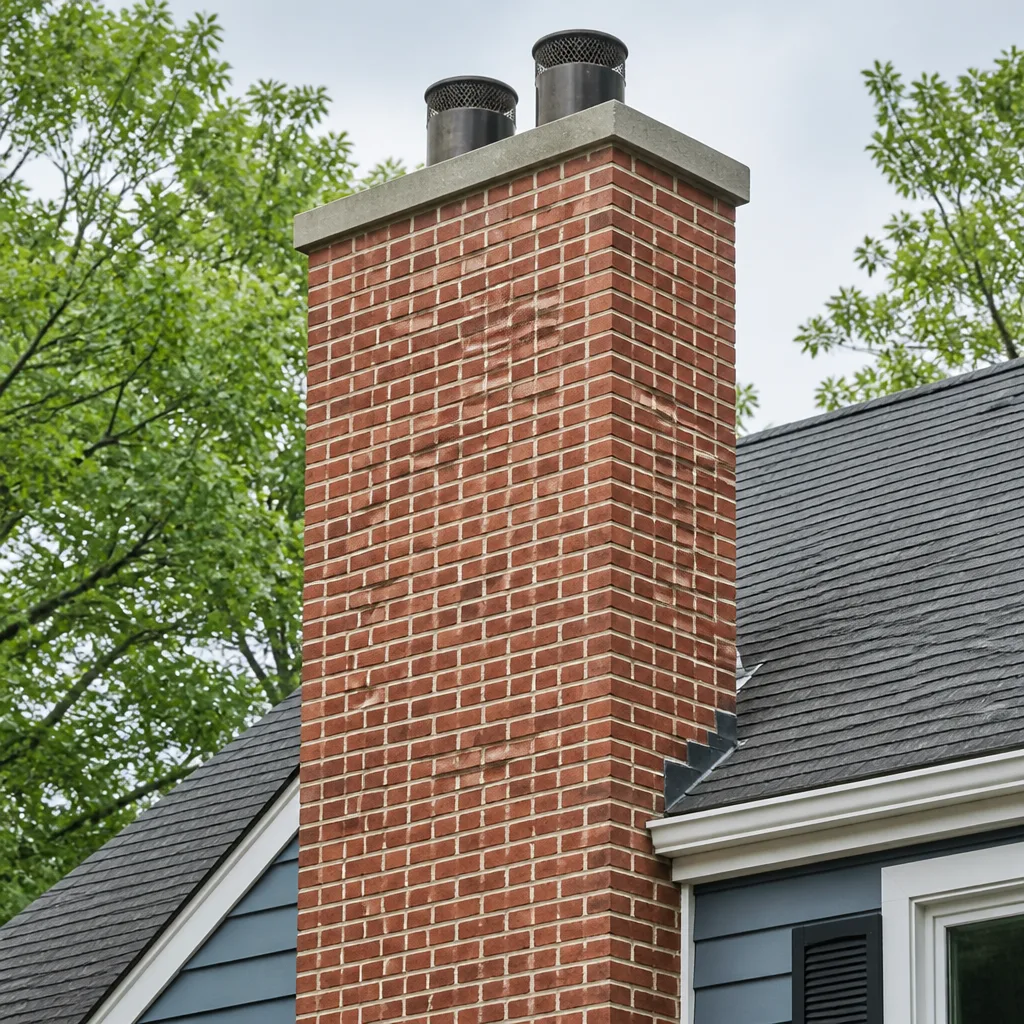 Masonry repair
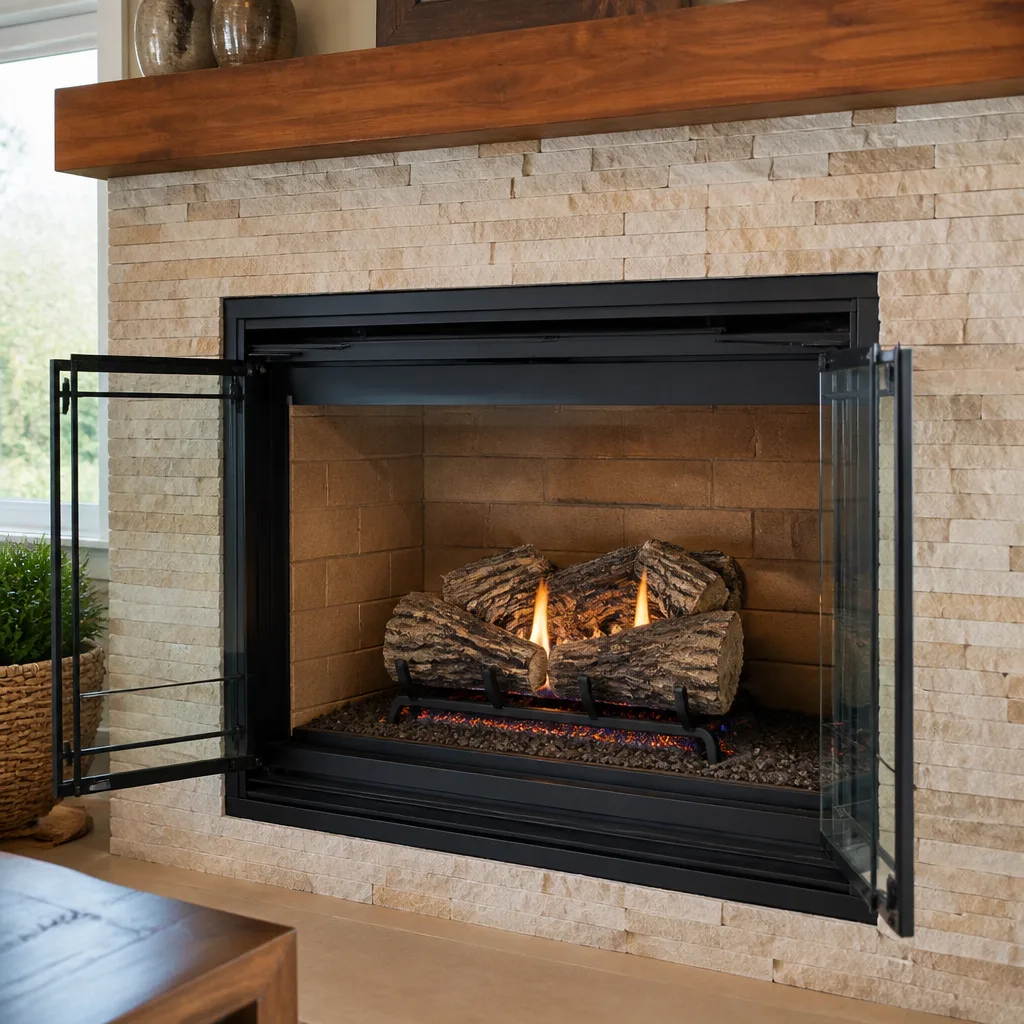 Gas fireplace service
Level 1 sweep and inspection to the NFPA 211 annual standard - flue, crown, cap, and flashing checked and photographed
Chimney sweep logs do not sweep chimneys. They loosen some creosote - which then falls where a brush and vacuum still have to collect it.
Chimney Cleaning Cost Breakdown: The Centennial Homeowner’s Reference for 2026
When two chimney sweep quotes for the same Centennial house differ by $300, it’s rarely about profit margin. It’s almost always about what one contractor is including and the other isn’t mentioning until they’re already inside your home. One quote is a brush-and-go. The other is a documented inspection with a camera, a written report, and a technician who knows the difference between a dusty flue and a cracked liner. Most homeowners compare the number at the bottom of the page. This reference walks you through what actually sits behind that number in Centennial – the height, the flues, the liner, the access – so you can compare estimates on equal footing and know exactly what you’re paying for.
Quick Answer
Typical chimney cleaning in Centennial runs about $150 to $350 for a standard single-flue sweep with a visual inspection, while a sweep bundled with a camera-recorded Level 2 inspection often lands between $275 and $475. Higher quotes usually reflect added complexity – multiple flues, second- or third-stage creosote, tall chimneys, or roof access – not a padded invoice. The written estimate is what sets your final price, and a free estimate is where any honest conversation should start.
Styles & brands we work with
- Sweep & inspection
- Caps & crowns
- Flue relining
- Masonry repair
- Gas fireplace service
Table of Contents
- What actually drives chimney cleaning costs in Centennial?
- What does “inspection included” really mean?
- How creosote stage changes the price
- Repair cost benchmarks to know before you agree
- How to calculate true annual cost versus sticker price
- How to compare two Centennial chimney quotes
- Centennial climate, housing, and why your chimney works harder
What actually drives chimney cleaning costs in Centennial?
Chimney cleaning cost in Centennial CO is set by a handful of variables you can see and measure, which is good news – it means you can ask about them before booking. The four big ones are chimney height above the roofline, the number of flues, the liner material, and how hard it is to reach the top and bottom of the system safely.
Height matters because every additional stretch above the roofline means more rod, more time on the roof, and more setup. A ranch with a short chimney is a different job than a two-story with a tall stack. Flue count matters because a single chimney chase can hold a furnace flue and a fireplace flue side by side – two flues, two sweeps, two inspections. Liner material affects the brush and technique: clay tile, stainless, and older unlined masonry each behave differently, and some need care that a generic brush won’t handle. And access complexity – a steep roof pitch, a chimney on a tight side yard, a fireplace insert that has to be shifted – all add labor.
Here’s how those variables typically show up in 2026 Centennial pricing:
- Standard single-flue sweep, single story: roughly $150 to $250
- Single-flue sweep, two-story with tall stack: roughly $200 to $300
- Second flue added to the same job: commonly $75 to $150 more per flue
- Roof access with steep pitch or difficult footing: often $50 to $150 added for the labor and setup
- Insert removal and re-seating to sweep behind it: frequently $50 to $125
Those ranges are typical, not fixed. The written estimate is what sets your final price, and it should itemize each of these so you can see them. A quote that lumps everything into one number without saying which of these it covers is a quote you can’t compare to anything.
What does “inspection included” really mean?
“Inspection included” is the phrase that creates the most confusion on a Centennial chimney estimate, because it can mean three very different things. Two quotes can both say “inspection included” and deliver completely different levels of information. Knowing the tiers is the single best way to compare them fairly.
- Visual look with a flashlight. The technician shines a light up the flue from the firebox and notes obvious problems. Fast, cheap, and it catches very little. This is almost never enough to tell you whether your liner is sound, especially past the first bend.
- Level 2 inspection with a camera. A camera runs the full length of the flue and records what it sees. This is the tier that catches cracks, gaps in the liner joints, and creosote glazing above the firebox – the things a flashlight misses. It’s the level most real-estate transactions and post-chimney-fire checks call for, and it’s the one worth paying for.
- Level 2 with a written report and photos. The camera work, plus documentation you keep and can hand to a future buyer or another contractor. This is the tier that lets you verify what you’ve been told rather than take it on faith.
When we sweep a Centennial chimney, the camera inspection and photo report are part of the job, not an upsell tacked on at the end. That matters because the biggest fear a homeowner has is being told they need thousands of dollars of liner work with no way to check. A camera record you can see for yourself is the answer to that fear. Nothing gets recommended without evidence you can look at, and if a repair can safely wait, we say so.
If a quote from another contractor says “inspection included” but doesn’t specify a camera, ask directly whether the flue was recorded past the smoke chamber. That one question tells you which tier you’re actually buying.
How creosote stage changes the price
Creosote is the residue that builds up inside a flue, and it doesn’t form all at once. It moves through three recognizable stages, and each one needs a different – and more expensive – approach. This is one of the most common reasons a quote comes in higher than expected, and one of the most legitimate.
First stage: soot and light flaky creosote. This is the normal deposit after a season of regular burning. Standard brushwork clears it. This is the baseline sweep cost, roughly $150 to $350 depending on the other variables.
Second stage: glazed, hardened creosote. The deposit has bonded to the flue walls and won’t come off with a brush alone. It needs chemical treatment – a product applied to soften the glaze, sometimes over more than one visit – before the brush can do its job. This typically adds $100 to $300 to the job depending on how much of the flue is affected.
Third stage: heavy, tar-like creosote. This is dense, fuel-rich buildup that poses a real fire risk. Removing it needs professional thermal or mechanical methods handled by someone trained for it, and it can push a job well past $600. Third-stage creosote is a safety issue, not a housekeeping one, and it should be treated promptly rather than deferred.
We mention the repair product HeatShield here because glazed creosote and a compromised liner often show up together – when the flue surface has been damaged, restoring it is sometimes the right move instead of tearing it out, which is a conversation worth having once you’ve seen the camera footage. The stage your flue is in isn’t guesswork; a proper inspection tells you. Ask what stage your creosote is at and what the treatment plan is before you approve anything above the base sweep.
Repair cost benchmarks to know before you agree
The sweep is the cheap part. The trouble comes when a homeowner agrees to add-on repair work without any benchmark for what it should cost. Knowing a few rough Centennial ranges ahead of time keeps you from being caught off guard and helps you tell a reasonable quote from an inflated one.
- Crown repair. The crown is the cap of masonry at the top of the chimney that sheds water. Small crack sealing is a modest job; rebuilding a failed crown is a larger one. Typical Centennial ranges run from a few hundred dollars for sealing to well over a thousand for a rebuild.
- Chimney cap replacement. A cap keeps rain, animals, and debris out of the flue. Replacing a damaged one is usually a few hundred dollars and is one of the highest-value fixes on a chimney.
- Smoke chamber parging. The smoke chamber is the sloped space above the firebox. Rough, jagged surfaces there hurt draft and collect creosote. Parging smooths it out, and the job typically runs in the several-hundred-dollar range.
- Liner section replacement. If a camera finds a cracked or gapped section, replacing it – often with a stainless system such as DuraFlex – can run from roughly $1,500 for a partial repair to several thousand for a full reline depending on length and configuration.
Those figures are the kind of thing a homeowner should know going in, so a quote lands in context. Your chimney is a system, and a crown or cap failing is often the root cause behind the water damage or liner trouble showing up lower down. A full-scope company treats the root cause, not just the symptom. We handle crown, cap, and chimney cap & crown work alongside sweeping and repair, and we work with the brands professionals specify – Copperfield and Gelco among them – so a repair isn’t a hand-off to a second contractor. The written estimate itemizes each repair so you can decide what to do now and what can wait.
How to calculate true annual cost versus sticker price
The cheapest quote is not always the cheapest outcome. A $150 sweep that skips the camera and misses a hairline liner crack can cost far more over a few heating seasons than a $350 sweep that catches the same crack early. That’s the math most homeowners never run, and it’s the one that matters.
Here’s how to think about true annual cost:
- Start with the honest annual baseline. A sweep with a camera inspection once a year, plus a cap and crown in good repair, is the number that actually protects the house. That’s your real cost of ownership.
- Add the cost of the problem you avoid. A missed liner crack can let heat and creosote reach the framing, or let carbon monoxide into the living space. A missed crown crack lets water into the masonry, and freeze-thaw over a Centennial winter does the rest.
- Weigh the repair against the deferral. Catching a crown crack early is a modest sealing job. Ignoring it until the masonry has spalled and the liner is compromised turns it into a structural repair. The gap between those two outcomes is the entire argument for the documented inspection.
- Compare like with like. When you line up two quotes, check that both include a camera inspection, a written report, a cap check, and a crown check. A quote missing those isn’t cheaper – it’s just smaller.
Run the numbers this way and the sticker price stops being the decision. The decision becomes whether the quote you’re holding gives you the information to make an informed choice about the rest of the system. We tell you what we find – and we fix it – and if a repair can wait another season, we’ll tell you that too. That’s the difference between a sweep and a proper service.
How to compare two Centennial chimney quotes
Put the two estimates side by side and ask the same set of questions of each. Most of the time, the price difference explains itself once you do.
- Is a camera inspection included, and do I get the footage or a photo report? If not, the quote is missing the part that catches real problems.
- How many flues are covered? A quote for one flue on a two-flue chimney isn’t a fair comparison to one that covers both.
- What creosote stage did the technician find, and how is the treatment priced? Stage 2 and 3 cost more, and the quote should say which one it’s pricing.
- Is the crown and cap inspected and noted? A sweep that doesn’t look at the top of the chimney has skipped the part most likely to fail first.
- What’s the itemized breakdown of any add-on work? You should be able to see crown, cap, parging, and liner work priced separately.
- Is a written report provided at the end? Documentation is what lets you verify the work and plan ahead.
A quote that answers all six is comparable to another that answers all six. A quote that answers two isn’t. That’s the whole test, and it takes ten minutes to apply.
Centennial climate, housing, and why your chimney works harder
Centennial sits at elevation along the Front Range, and that geography shapes how a chimney ages and how often it needs sweeping. Cold winters with real freeze-thaw cycles work on masonry season after season – water gets into a small crown crack, freezes, expands, and widens it. That cycle is why crown and cap condition matters more here than a homeowner might expect. Creosote also builds differently in a house that burns steadily through a long heating season than one that burns occasionally, and second-stage glazing is a common find on a well-used flue in this part of the state.
The housing stock plays a role too. Centennial’s neighborhoods include a range of home ages and chimney styles, from older masonry fireplaces to newer builds with prefabricated systems and liners. Older masonry chimneys often have clay tile liners showing their age, while newer systems may use stainless liners – and each needs the right brush and technique. A furnace flue running alongside a fireplace flue in the same chase is common and means two systems to check, not one. None of this requires you to diagnose anything yourself. It does mean the right question to ask a technician is what they actually found on the camera, not just what it costs to clean.
Common Mistakes to Avoid
- Comparing quotes that include different things. A $150 quote without a camera and a $350 quote with one aren’t the same product. Line up the inclusions before you compare the prices.
- Assuming “inspection included” means a real inspection. Ask specifically whether the flue was recorded with a camera past the smoke chamber. If the answer is vague, the inspection probably is too.
- Deferring a crown or cap repair through a Centennial winter. Freeze-thaw makes a small crack worse every season. Sealing a crown crack early is far cheaper than rebuilding the crown later.
- Skipping the sweep in a season you didn’t burn much. Creosote from last season is still there. A light-burning year doesn’t clear the flue, and third-stage creosote doesn’t go away on its own.
- Approving repairs without seeing the evidence. Ask to see the camera footage or photos before you agree to liner or smoke chamber work. Any reputable technician will show you.
- Treating the sweep and the repair as separate worlds. Your chimney is a system. The crack at the crown, the water in the masonry, and the liner trouble down below are often one story, and a full-scope company can address them together.
- Ignoring a fireplace that smokes or drafts poorly. That’s often the first sign of a smoke chamber or liner problem. It’s worth a proper look before it becomes a bigger repair.
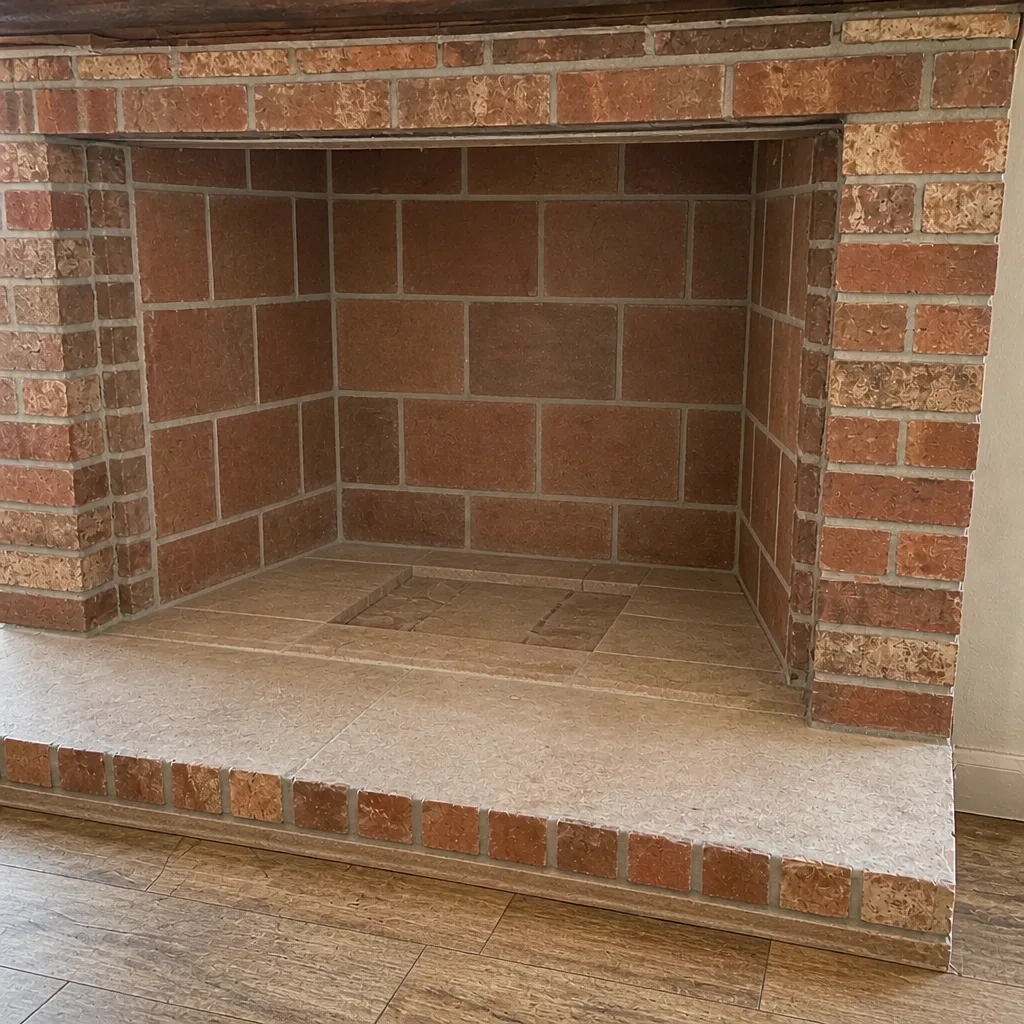
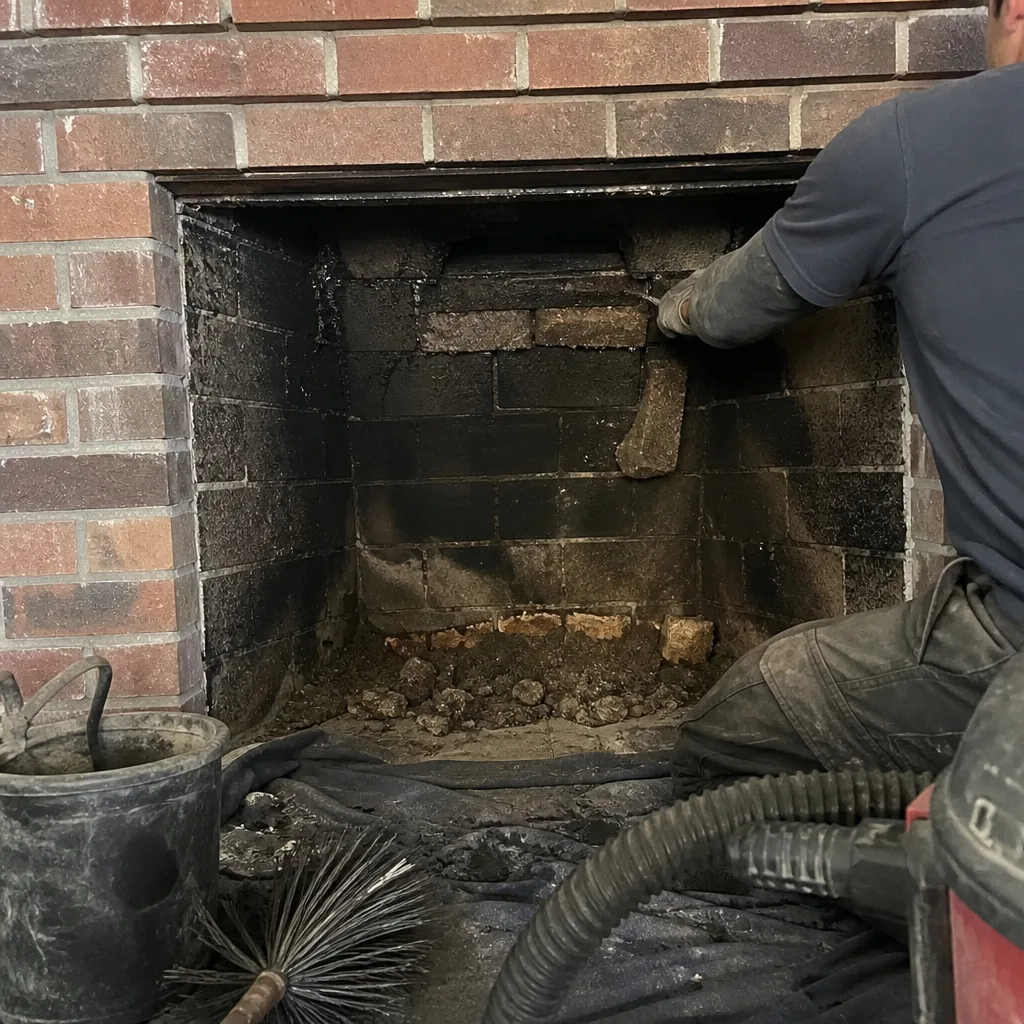
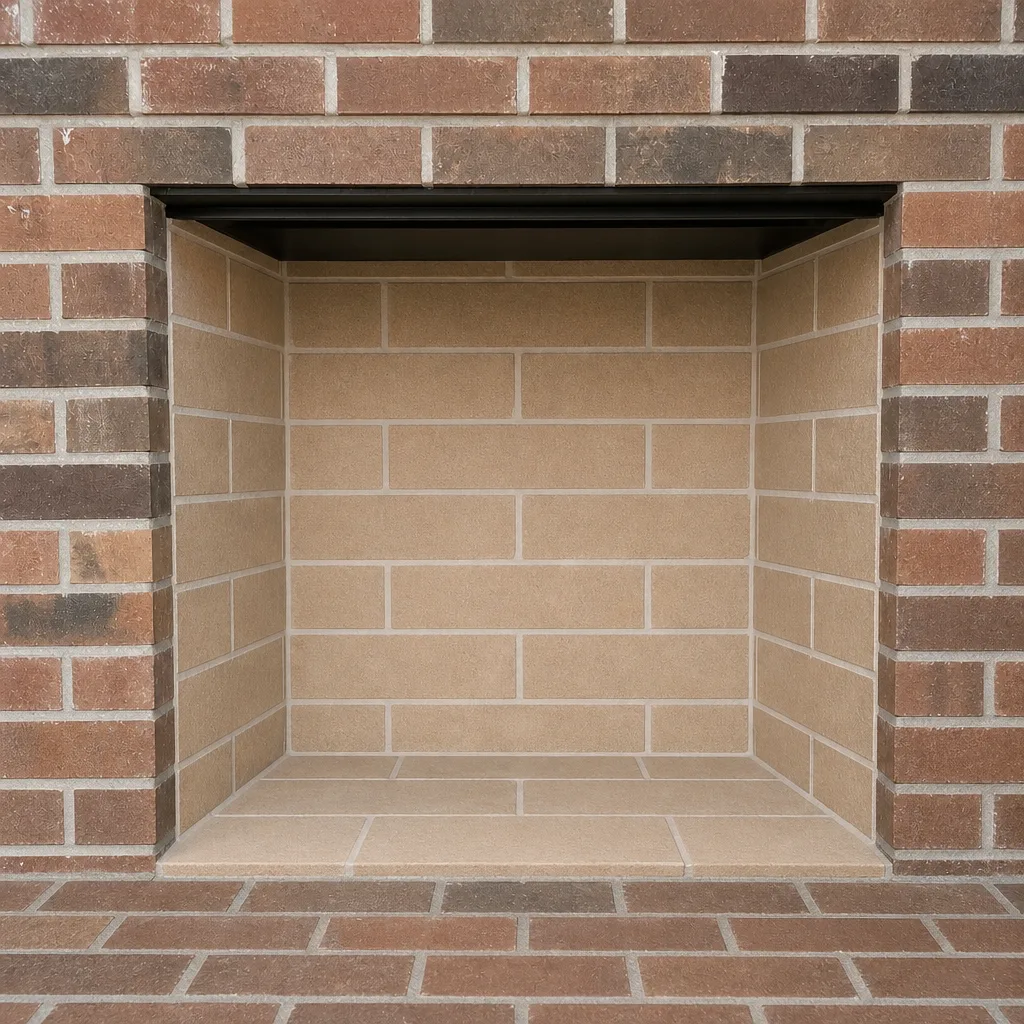
See the difference
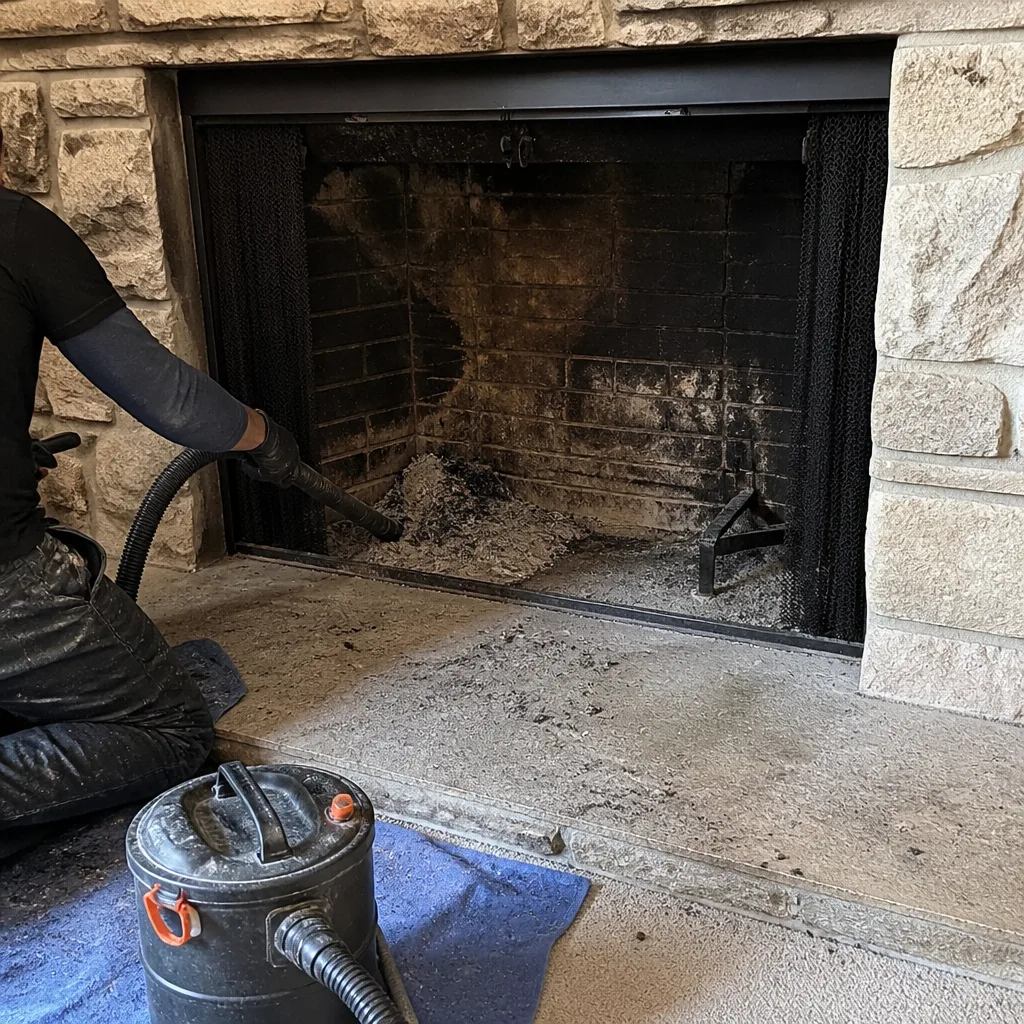 Before
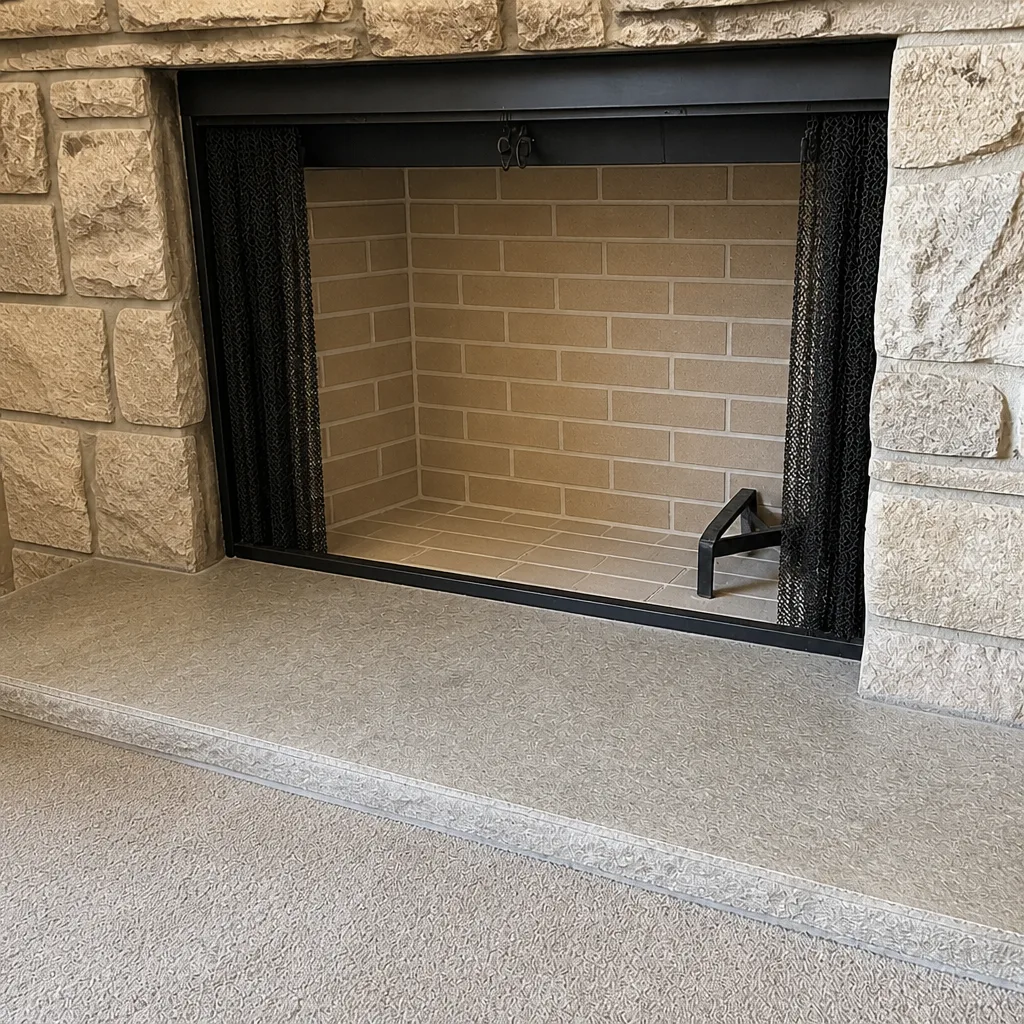 After
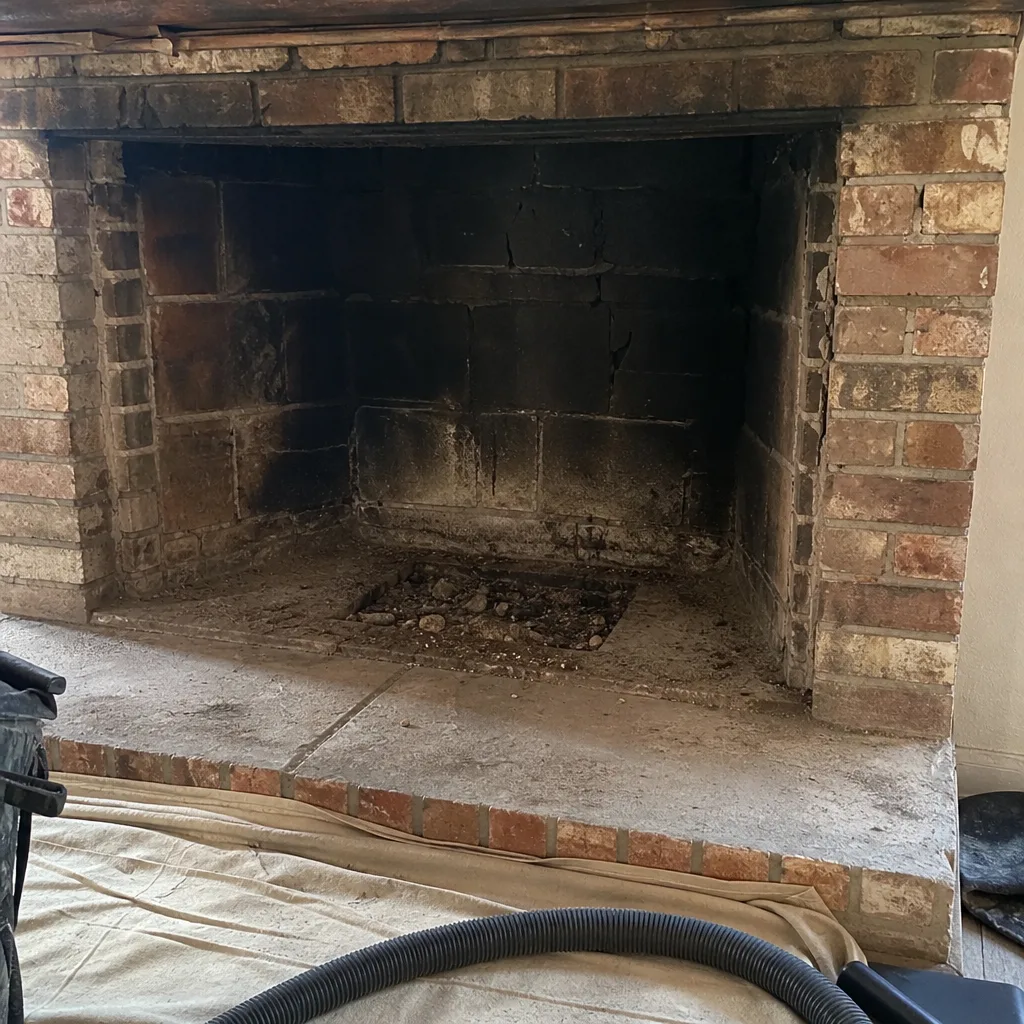 Before
 After
 Before
 After
When to Call a Professional
You should call for a sweep and inspection once a year if you burn regularly, and sooner if you notice a strong creosote smell, a fireplace that smokes into the room, visible cracking in the firebox or crown, or water staining near the chimney. If you’ve had a chimney fire – even a small one you think you caught early – call for a camera inspection before you light another fire. And if you’re buying or selling a Centennial home, a documented Level 2 inspection gives you a record you can rely on. Centennial Chimney Sweep Pros offers free estimates in Centennial – call (866) 589-5349. We answer 24/7. Fast dispatch from 7am to 7pm, Sunday through Friday.
Frequently Asked Questions
A standard single-flue sweep in Centennial typically runs about $150 to $350, and a sweep combined with a camera-recorded Level 2 inspection usually lands between $275 and $475. The estimate is free and the written quote sets the final price, so you’ll know before any work starts. Call (866) 589-5349 for an exact quote – estimates are free.
Not always – a minor crack in one section can sometimes be repaired or the liner restored rather than fully replaced, and the right answer depends on what the camera shows. We don’t recommend a reline without footage you can see for yourself, and where restoration is appropriate, a HeatShield liner restoration can address a deteriorating flue without a full tear-out. Call (866) 589-5349 to get eyes on it before you decide.
Once a year if you use your fireplace regularly, and more often if you burn frequently through a long heating season, which is common in Centennial. A camera inspection alongside the sweep confirms whether the flue is clear and the liner is sound. Call (866) 589-5349 to book a free estimate.
Creosote keeps building, and in the later stages it becomes a real fire risk rather than a housekeeping one, while a missed crown or cap crack lets water into the masonry through the freeze-thaw season. Both are easier and cheaper to catch early. Call (866) 589-5349 for a free estimate before the next burning season.
Yes. A single chimney chase often holds a furnace flue and a fireplace flue, and each is cleaned and inspected separately, which is why flue count is one of the main cost variables in a Centennial quote. We’ll tell you how many flues your chimney has and price each one clearly. Call (866) 589-5349 for a free estimate.
Yes. We cover the full chimney service spectrum – sweeping, inspection, fireplace repair, chimney cap and crown installation, and structural repair – so a repair isn’t a hand-off to a second contractor. We work with the brands professionals specify, including Copperfield, Gelco, DuraFlex, and HeatShield. Call (866) 589-5349 for a free estimate and a written report you can keep.
The Bottom Line
The cleaning cost range in Centennial is wide because the job behind it is wide: chimney height, flue count, liner material, access, and creosote stage all move the price, and a camera inspection is what turns a quote into real information. The sticker price shouldn’t be your deciding factor. Whether the quote includes a documented inspection, itemized repairs, and evidence you can verify should be. Get those answers and the comparison makes itself. And remember that a chimney is a system – crown, cap, liner, and flue – so a company that can sweep, inspect, and repair from top to bottom gives you one accountable answer instead of three. Built to last means treating the root cause, and it starts with a free estimate. Call (866) 589-5349. We answer 24/7. Fast dispatch from 7am to 7pm, Sunday through Friday.
Written by the team at Centennial Chimney Sweep Pros.