
Last updated November 23, 2026
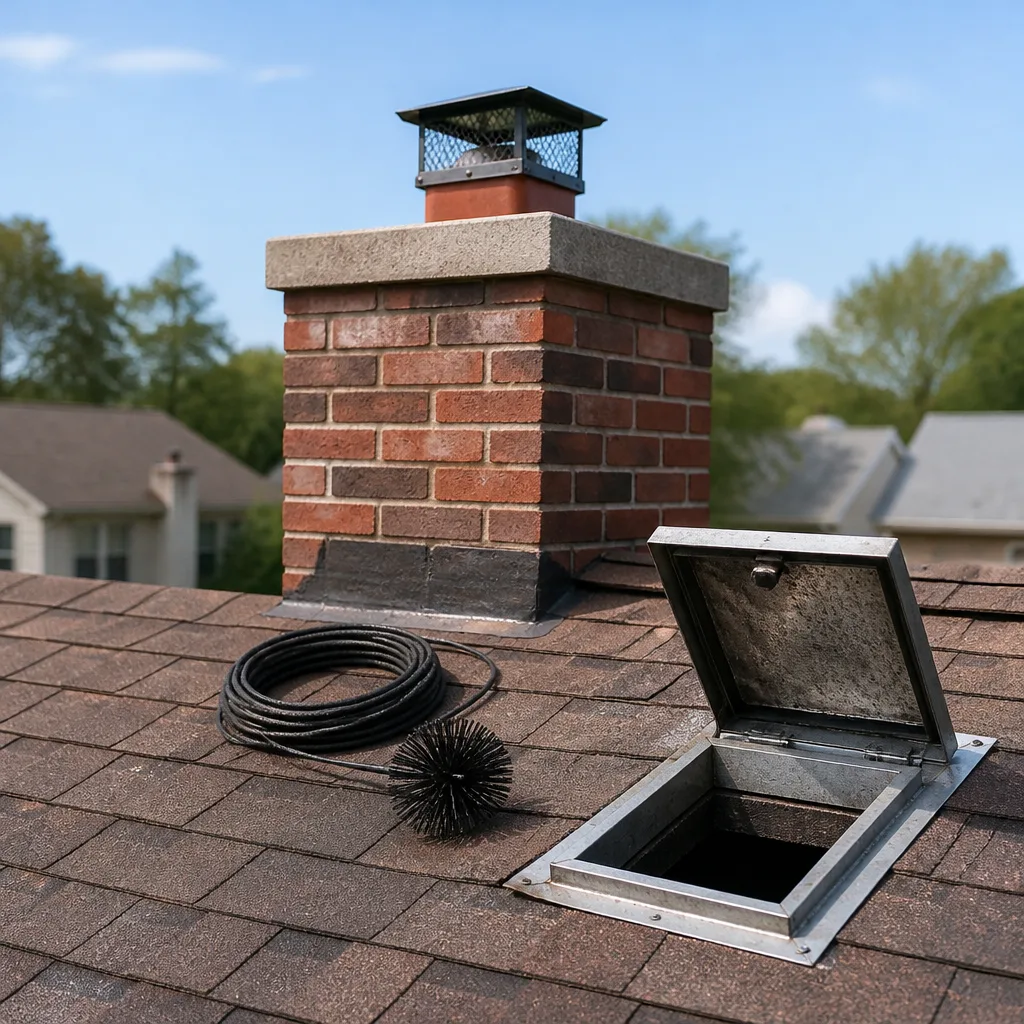 Sweep & inspection
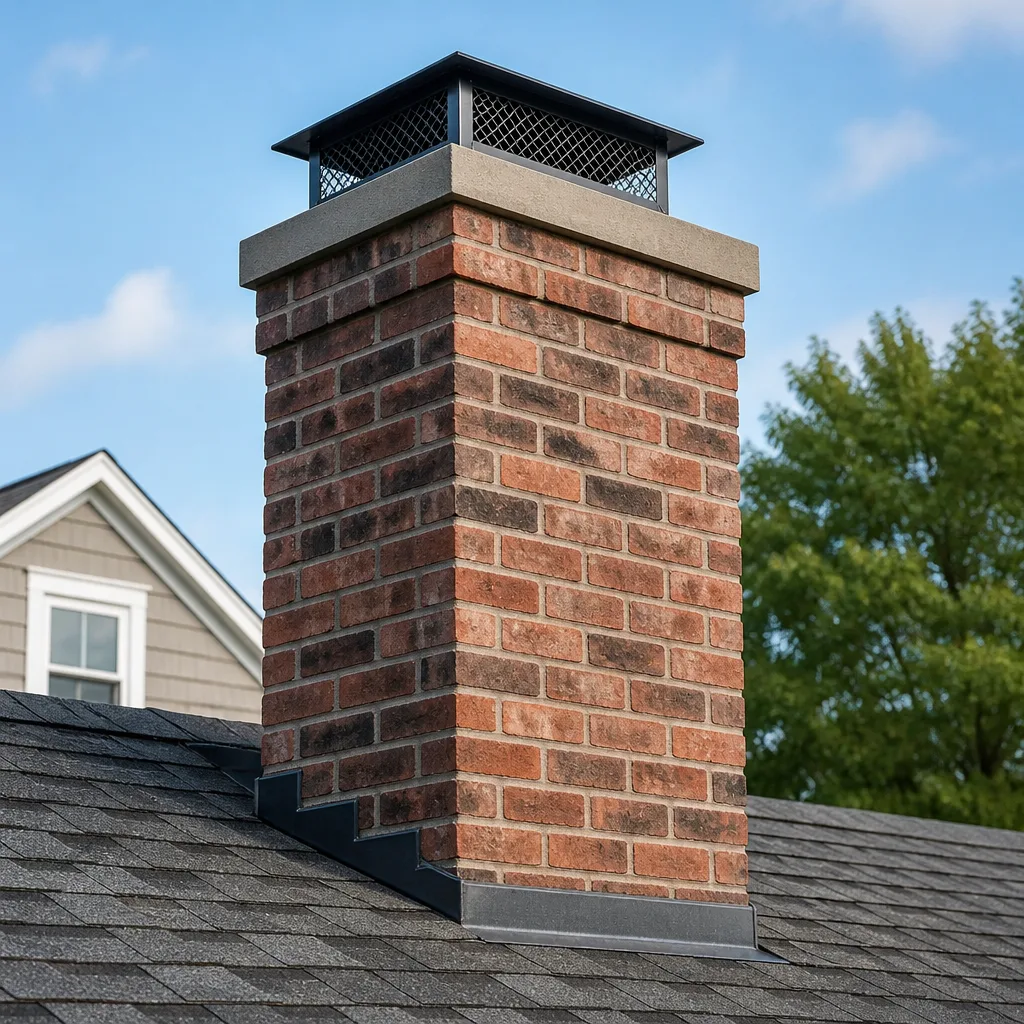 Caps & crowns
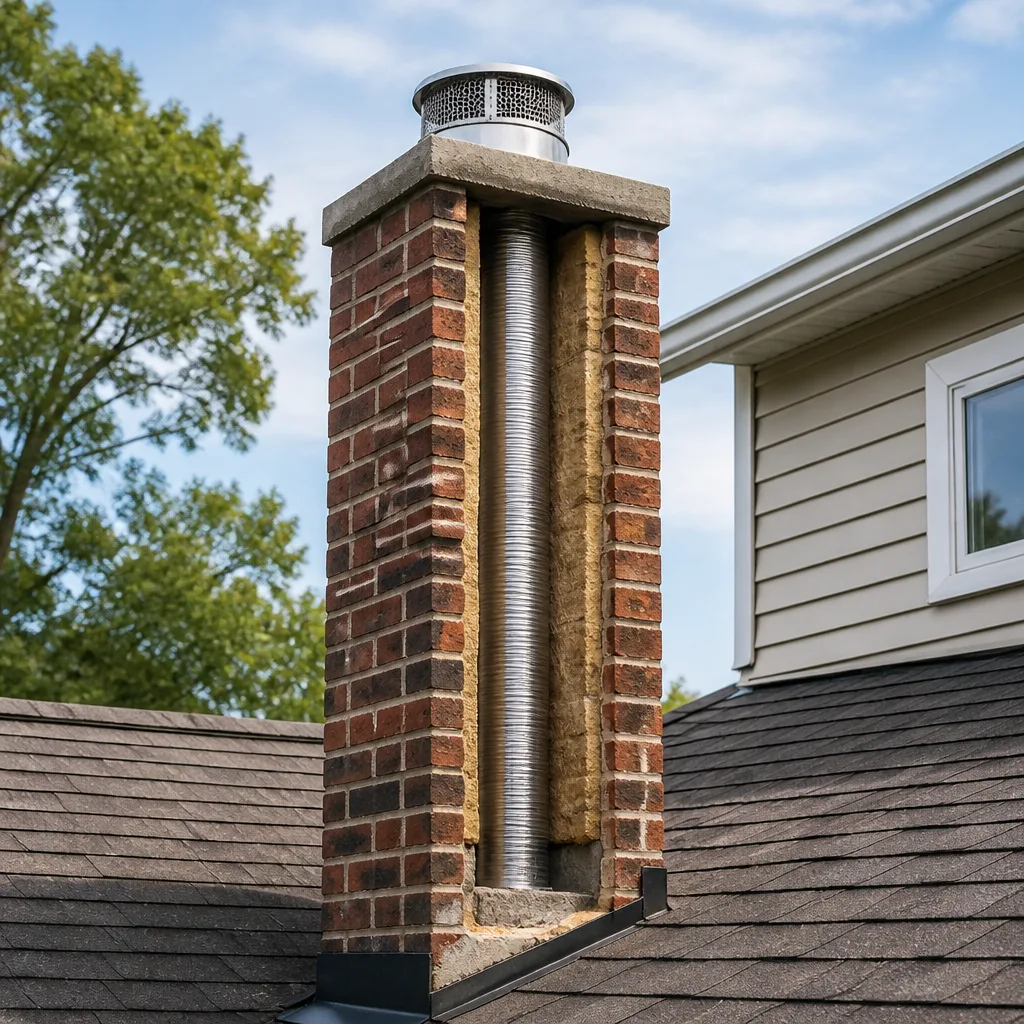 Flue relining
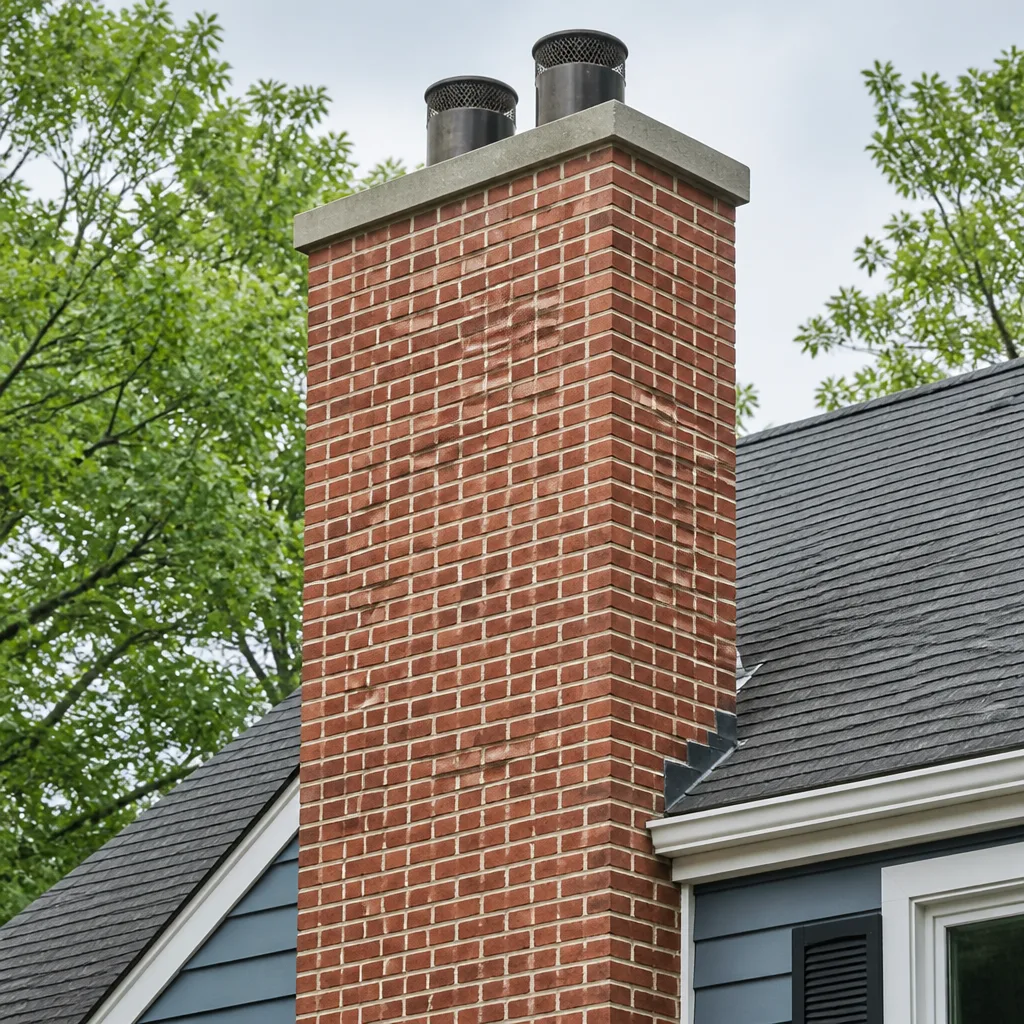 Masonry repair
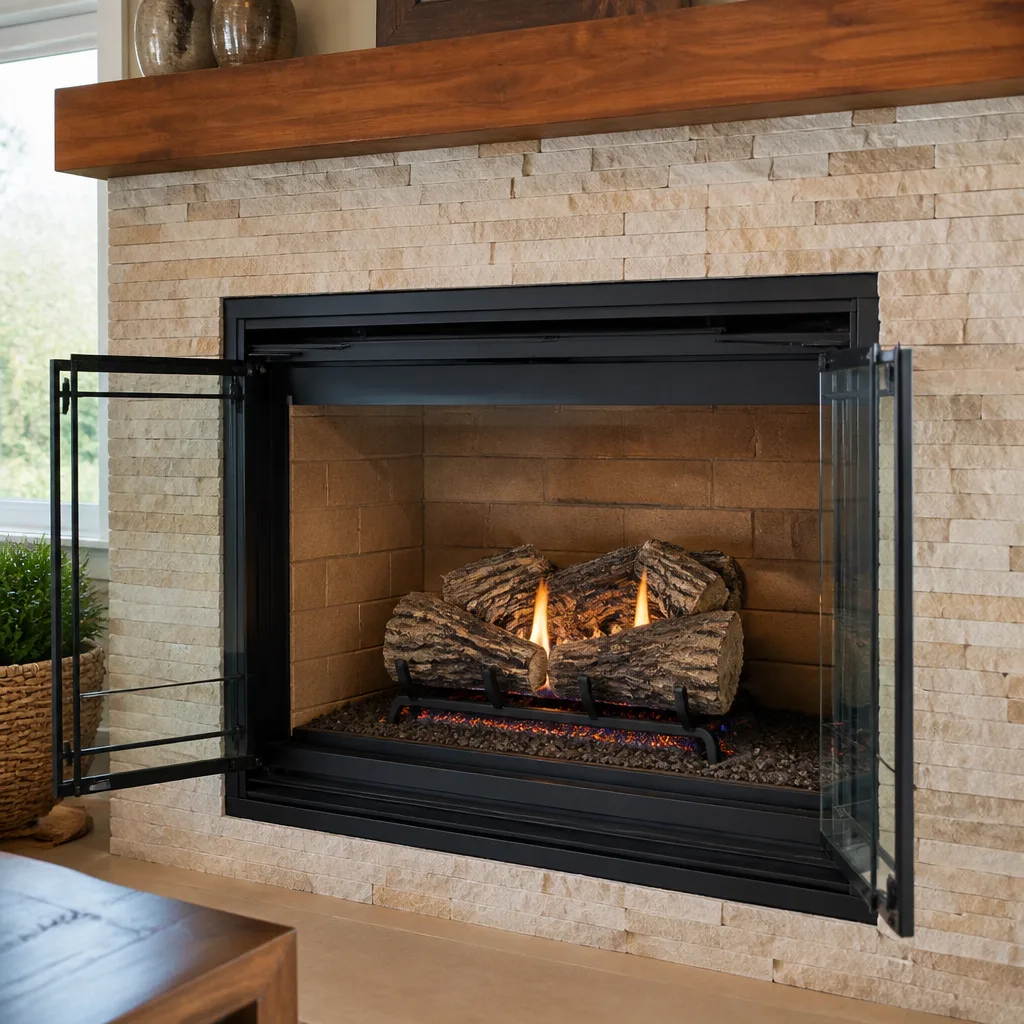 Gas fireplace service
Level 1 sweep and inspection to the NFPA 211 annual standard - flue, crown, cap, and flashing checked and photographed
Chimney sweep logs do not sweep chimneys. They loosen some creosote - which then falls where a brush and vacuum still have to collect it.
Seasonal Chimney Cleaning Care for Centennial: Year-Round Homeowner’s Guide
The worst time to discover your damper is warped shut is the first cold night in October. The second worst time is May, when snowmelt has already been sitting on a cracked crown for three months. Most homeowners think about the chimney once, in the fall, and treat the rest of the year as downtime. In Centennial, that habit is expensive. Chimney care here doesn’t spread evenly across four seasons. The meaningful work clusters into two narrow windows, and the seasons in between quietly decide how much of it you’ll be paying for. This guide walks through a full year of chimney ownership in Centennial, from what our technicians look for in each season to how to stack tasks so you’re not booking the same visit three times.
Quick Answer
Chimney cleaning in Centennial follows a two-peak rhythm: a late-summer or early-fall sweep and inspection before fire season, then a spring check after winter freeze-thaw has done its damage to mortar, crowns, and liner seams. Between those, summer is when unused chimneys collect nests, moisture, and failing gaskets. Scheduling both ends of the year catches problems while they’re still cheap to correct.
Styles & brands we work with
- Sweep & inspection
- Caps & crowns
- Flue relining
- Masonry repair
- Gas fireplace service
Table of Contents
- Why Centennial Chimneys Age Faster Than You’d Expect
- The Fall Window: Why Late August Through September Matters
- What Winter Actually Does to Your Chimney
- Spring Inspection: Reading Your Chimney After the Thaw
- Summer: The Season Nobody Thinks About
- Stacking Seasonal Tasks Without Multiple Service Calls
- A Year-Round Maintenance Checklist for Centennial Homes
- Signs Your Chimney Needs Attention Now, Not Later
Why Centennial Chimneys Age Faster Than You’d Expect
Centennial sits in a freeze-thaw belt that most of the country doesn’t experience. We average more than 170 freeze-thaw events per year here, which means masonry is expanding and contracting constantly, often several times in a single week. Water seeps into the smallest mortar fissure during a mild afternoon, freezes hard that night, and pries the joint open a fraction of a millimeter wider. Repeat that a hundred times per season and a chimney that looks solid from the ground can be quietly falling apart at the crown and shoulder.
This is why we tell Centennial homeowners to think of the chimney as a system rather than a pipe. Every part affects the others:
- The crown sheds water. When it cracks, water finds the flue.
- The cap keeps rain, snow, and animals out. When it’s missing or damaged, everything below it gets wet.
- The liner contains the smoke and protects the masonry. When its seams fail, heat reaches materials not designed for it.
- The damper controls airflow and heat loss. When its gasket hardens, you lose efficiency and gain drafts.
- The smoke chamber is where turbulence happens. When it’s rough or coated with creosote, that’s where draft problems start.
Fixing one part without checking the others is how a small repair becomes a structural job. It’s also why we work the full spectrum from chimney sweep to chimney cap & crown installation without handing you off to someone else. A crack in a crown found in September is a patching job. The same crack found after a Colorado winter has leaked into the chimney’s interior cavity and becomes a masonry repair.
The Fall Window: Why Late August Through September Matters
Late August through the end of September is the single highest-value service window on the Centennial chimney calendar. Three things converge: the creosote from last winter is dry and easier to remove, summer moisture has had time to reveal itself as efflorescence or staining on brick, and repair contractors still have availability before the rush. Wait until the first cold snap and you’re calling along with the rest of the metro, often waiting weeks for a slot while you burn with a dirty flue.
What a fall service visit should actually include:
- A sweep of the flue to remove soot, creosote, and any debris that fell in over the summer. Glazed, shiny creosote (stage three) is a fire hazard and needs more than a brush.
- A Level 1 inspection covering the firebox, damper, smoke chamber, flue, and visible exterior. Most homeowners need this annually.
- A cap and crown check for loose mortar, hairline cracks, and bird nests or wasp activity under the cap. A cap that lost a fastener in a summer storm is a water entry point all winter.
- A damper test to confirm it opens and seats properly. A warped or stuck damper can vent smoke into the room instead of the flue.
- A draft check once the flue is clean, to confirm the chimney pulls the way it should before you light the first fire.
Doing these in one visit rather than five separate calls is the difference between a clean chimney before winter and a scramble in November. In Centennial, our technicians see the same handful of issues surface every fall: worn damper gaskets, cracked crowns that opened up during the summer heat, and creosote buildup from a previous winter of regular fires. Catching them in September means they’re corrected before they’re tested by cold weather.
What Winter Actually Does to Your Chimney
Winter is when your chimney works hardest and gets the least attention. A chimney that’s actively venting a fire every evening is handling a steady stream of heat, moisture, and combustion byproducts. Outside, freeze-thaw is opening mortar joints a fraction at a time. The combination is what we mean when we say a Centennial chimney ages faster than a homeowner expects.
What’s happening inside a working chimney during a typical Centennial winter:
- Creosote accumulates with every fire. The cooler the flue runs, the more of it sticks. A flue that’s too large for the firebox, a common issue in older homes, cools the smoke faster and builds creosote more quickly.
- Mortar joints erode as water that entered in warmer months freezes and expands inside the masonry. You won’t see it from the ground, which is why exterior inspections matter.
- Crowns crack for the same reason. A hairline crack that’s harmless in July becomes a water channel in January.
- Liner seams stress. Clay tile liners move with the house, and a cracked tile can let heat reach framing. This is the failure mode our industry spends the most time preventing.
- Dampers seize, especially in chimneys that see heavy use. A gasket that hardens won’t seal, and a damper that won’t move can’t be adjusted for a clean burn.
None of this is meant to scare anyone off a good fire. It’s simply the reality of what a chimney in Centennial is doing while you’re sitting in front of it. The key move is to catch it early. A winter that ends with a warped damper and a cracked crown is a spring that starts with two repairs instead of one inspection.
If something looks wrong mid-season, a warped damper, a smell of smoke in the room, or visible soot on the face brick, call us. We tell you what we find, and we fix it. We answer 24/7. Fast dispatch from 7am to 7pm.
Spring Inspection: Reading Your Chimney After the Thaw
Spring is when the winter’s damage becomes visible, and it’s the second critical window on the Centennial calendar. The freeze-thaw cycle that ran from November to March has done its work, and by April or May the evidence shows up on the outside of the chimney and inside the firebox. A spring inspection catches it before summer moisture settles in and compounds the problem.
What our technicians prioritize on a spring visit:
- Efflorescence on brick. That white, powdery staining is salt drawn to the surface by water moving through the masonry. It’s a sign moisture is finding a way in, not just a cosmetic annoyance. If it reappears after a cleaning, the water source needs to be located.
- Spalling. Brick faces that are flaking, peeling, or popping off are usually the result of water freezing inside the brick itself. Spalling brick means the masonry is failing, and it tends to progress.
- Moisture intrusion at the smoke chamber. The smoke chamber sits between the firebox and the flue, and its sloped walls make it a common spot for water to collect when the crown or cap is compromised. A moisture reading here after a wet spring tells you which repair matters most.
- Cracked crown and loose or missing cap. Both are exterior, both are visible from the ground with a good eye, and both let more water in every time it rains or snows.
- Flue liner condition. Scanning the liner after winter is the best way to catch a cracked or offset tile before the next fire season. HeatShield liner restoration is often the answer here, because it repairs a deteriorating flue from the inside without a full tear-out.
Spring is also the time to check the firebox and damper after a season of use. Fireplace repair work, from a cracked firebox panel to a seized damper, is easier to schedule in April than October. And if the winter left you feeling uncertain about the chimney’s structure, a spring inspection is the honest starting point.
Summer: The Season Nobody Thinks About
Summer is when the chimney sits unused, and that’s exactly when several slow problems get their chance. The flue that vented a fire every night in January is now a dry, protected tube that wildlife finds appealing. Rain and hail hit a cap that may have lost a fastener in the last windstorm. A damper that sat closed all season can be stuck when you try to open it in September.
The summer issues a Centennial homeowner should know about:
- Animal intrusion. Birds, squirrels, and raccoons seek out chimneys in warm months, and a missing or damaged cap is an open door. Nests block the flue and create a fire risk the first time you light a fire.
- Nest buildup and debris. Even with a cap in place, twigs, leaves, and roofing grit can collect on top of the flue. Summer storms here are good at delivering debris.
- Deteriorating damper gaskets. Heat and dry air in a closed firebox can harden a gasket over the summer. If the damper doesn’t seal cleanly when you check it in late August, that’s a small fix caught early.
- Water intrusion from summer storms. A cracked crown doesn’t wait for winter to leak. Summer thunderstorms push water into masonry, and the interior damage compounds silently.
- Rust and corrosion on metal components. A damper assembly, a cap, or a top-mount component that stays wet can corrode over a summer. Visible rust is a sign to check the cap and crown.
A quick summer walk-around is worth doing yourself. Look at the cap and crown from the ground, check that the damper opens and closes, and look for any staining inside the firebox. If you see a problem you can’t diagnose, that’s what a visit is for. Our technicians have up to 8 years of experience and work the full range of chimney systems, so a summer call is a good time to get a thorough baseline before the fall rush.
Stacking Seasonal Tasks Without Multiple Service Calls
One of the most common inefficiencies we see in Centennial is a homeowner booking a sweep in September, an inspection in October, and a cap repair in November, each as a separate visit. It’s not wrong, but it’s three times the scheduling, three times the access, and three times the chance something gets missed between visits. Chimney work is a system, and the visits should reflect that.
Here’s how we recommend stacking the year into two service windows:
- Late August or September: the pre-season visit. Combine a full sweep, a Level 1 inspection, a cap and crown check, and a damper test. Any repair the inspection surfaces can be quoted in the same visit and scheduled before the season starts.
- April or May: the post-winter visit. Combine the exterior check for efflorescence, spalling, and crown cracks with an interior look at the firebox, smoke chamber, and liner. Any repair from the winter’s damage gets corrected before summer moisture finds it.
If a repair surfaces at either visit, the goal is to fix it while the technician is already there or schedule it as a single follow-up, not in stages. A crown crack patched in the same window as the sweep is a modest repair. The same crack discovered in November, after a wet fall, can mean a masonry rebuild. From sweep to structural repair, the whole point of stacking is to keep the problems small.
The liners we install and restore, whether DuraFlex stainless components or HeatShield restoration, are chosen because they’re the products professionals specify. We work with the brands professionals trust, and a single visit is when we assess whether that kind of work is actually needed or whether the existing system has years of service left in it.
A Year-Round Maintenance Checklist for Centennial Homes
Here’s the full cycle in one place, organized by when the work makes the most sense in Centennial’s climate. Print it, stick it on the fridge, and use it to plan your year.
Late August – September (pre-fire-season)
- Book a chimney sweep for the flue.
- Schedule a Level 1 inspection covering firebox, damper, smoke chamber, flue, and visible exterior.
- Inspect the cap and crown from the ground for missing fasteners, cracks, or signs of animal activity.
- Test the damper and note any sticking or poor seal.
- Confirm the draft once the flue is clean.
October – March (fire season)
- Burn dry, seasoned wood to reduce creosote buildup.
- Watch for smoke rolling into the room, which points to a draft or damper problem.
- Keep an eye on exterior masonry after storms for new cracks or spalling.
- If anything smells off or looks wrong, call rather than wait for spring.
April – May (post-winter)
- Inspect for efflorescence on brick and spalling on the chimney face.
- Check moisture at the smoke chamber.
- Scan the liner for cracks or offsets.
- Examine the crown and cap for winter damage.
- Service the damper and firebox.
June – July (dormant season)
- Confirm the cap is intact and no nests are visible from the ground.
- Test the damper to catch a stiff or stuck one before fall.
- Look for rust on metal components.
Signs Your Chimney Needs Attention Now, Not Later
Some problems are seasonal. Others are urgent, and the guide above is about the second category only in the sense that a spring or fall visit is when you’ll catch them. There are signs, though, that mean you shouldn’t wait for the calendar. A chimney with any of the following should be inspected now.
- Smoke rolling into the room when you light a fire. This usually points to a blocked flue, a stuck damper, or a draft problem. None are safe to ignore.
- A strong creosote smell, especially in warm weather. Creosote that smells acrid in summer is often the same creosote that ignites in winter.
- Visible soot or staining on the face brick. This can mean the liner is compromised or the flue is undersized for the firebox.
- Water staining inside the firebox or on the smoke chamber. Water doesn’t belong there. It’s finding a path through the crown, cap, or masonry.
- Loose or crumbling mortar on the exterior. Structural masonry issues get worse, not better, with each freeze-thaw cycle.
- Birds or animals in or around the chimney. A nest in the flue is a fire hazard the first time you light a fire.
If you’re seeing one or more of these, the right next step is a proper inspection with camera evidence of what’s actually going on. Our team works from what the inspection shows, not from a default recommendation.
Common Mistakes to Avoid
- Treating the annual sweep as the whole job. A sweep removes soot and creosote, but it doesn’t check the crown, the cap, the damper, or the smoke chamber. In a Centennial freeze-thaw climate, those are where most damage starts.
- Waiting for the first cold snap to schedule. The fall rush fills slots fast, and homeowners who call in October often end up burning their first month of fires in an un-swept flue. Book in August or September.
- Skipping the spring inspection because the chimney “worked fine” in winter. A chimney can vent correctly while a crack opens in the crown behind the scenes. The fire doesn’t tell you what the masonry is doing.
- Ignoring summer animal activity. A nest built in July is a safety issue in October. Checking the cap in the warmer months is inexpensive protection.
- Patching a crown without addressing the cap. Water entry is often a combined problem, and patching one part while the other stays damaged means you’re back to it next spring.
- Assuming a cracked flue liner needs a full tear-out. Restoration options like HeatShield can repair a deteriorating liner from the inside, and the right answer depends on what the inspection actually finds.
- Booking a sweep with a company that offers no repair services. A sweep-only service can tell you there’s a problem, but it can’t fix it. Working with a chimney specialist who handles the repair saves a second round of scheduling and access.
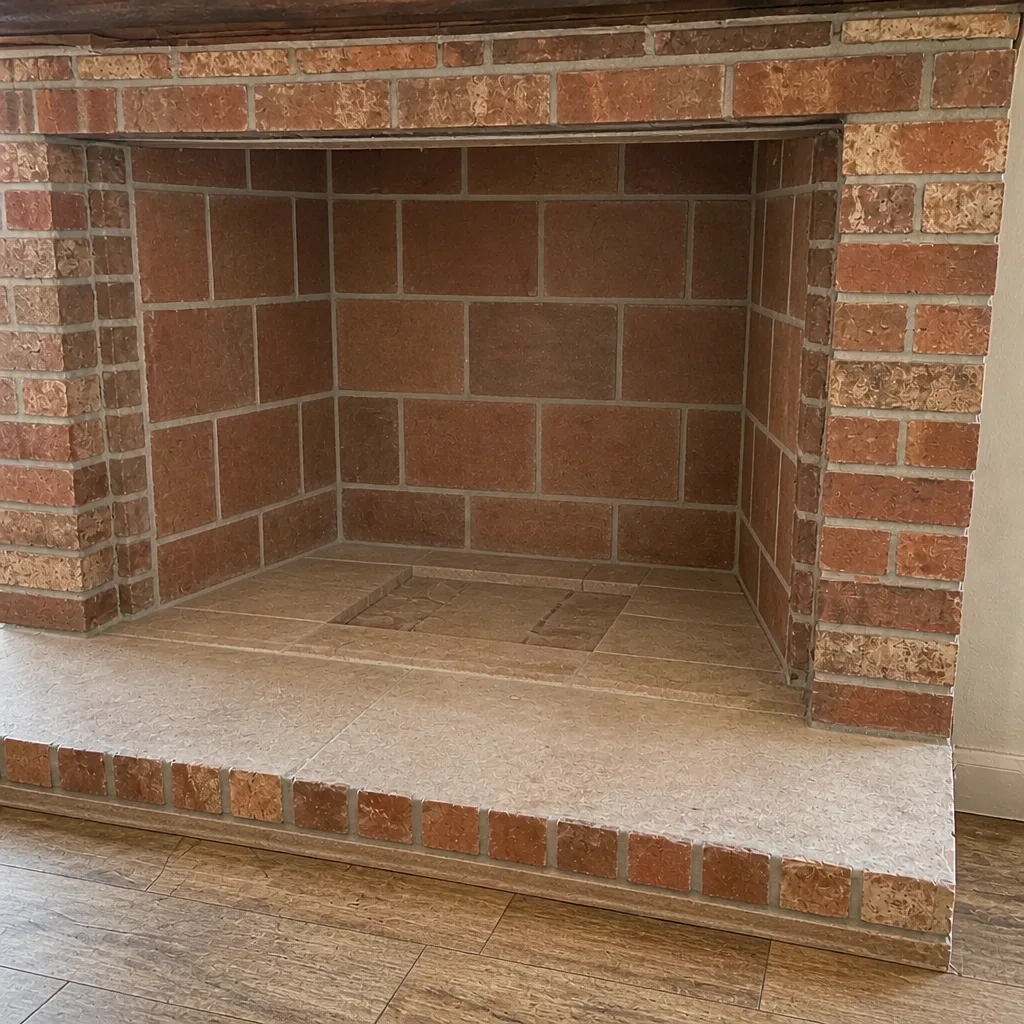
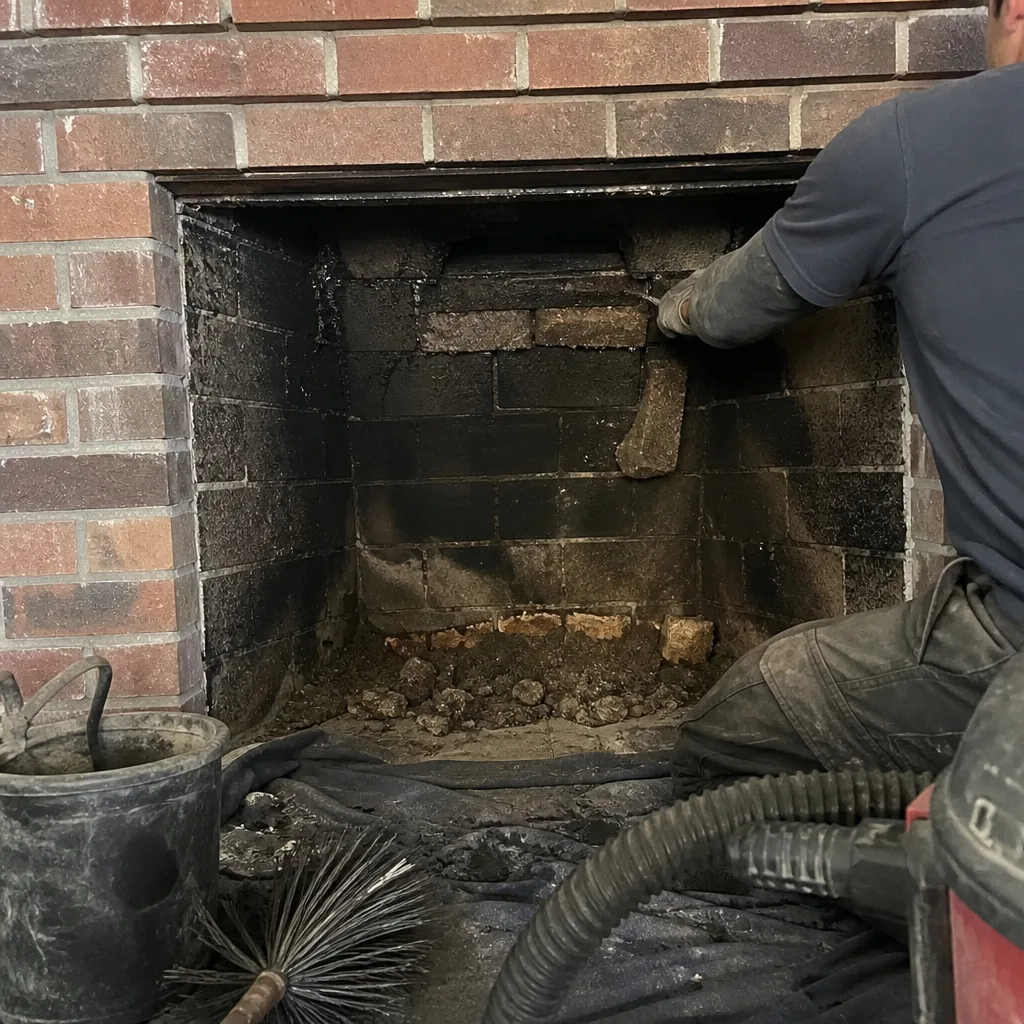
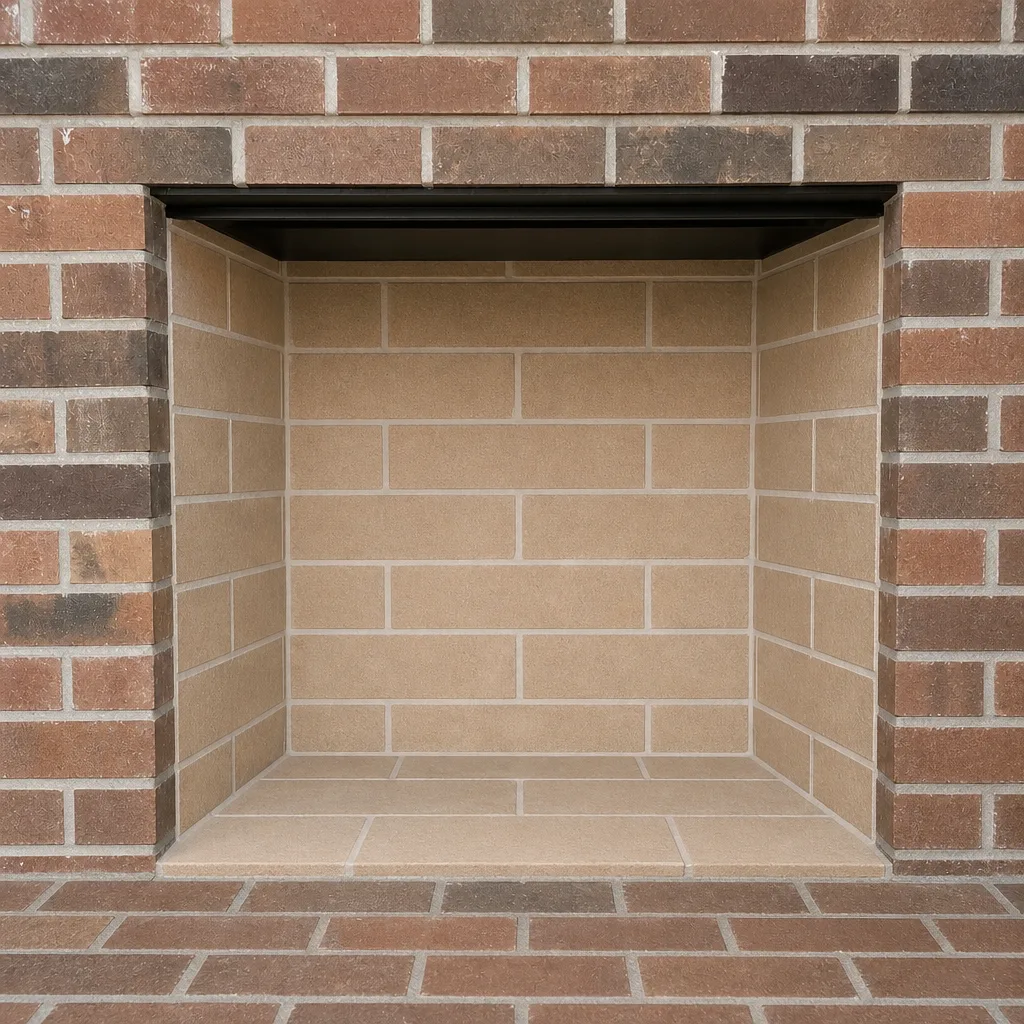
See the difference
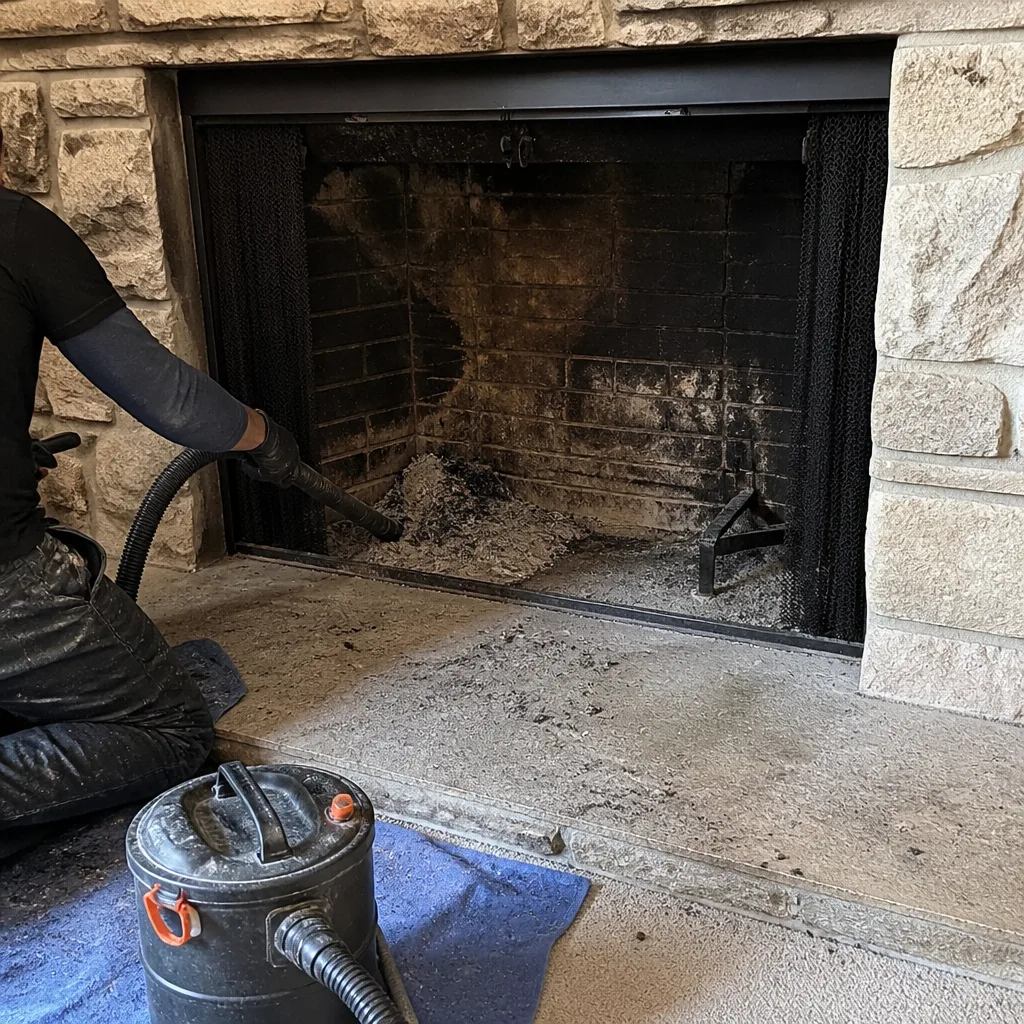 Before
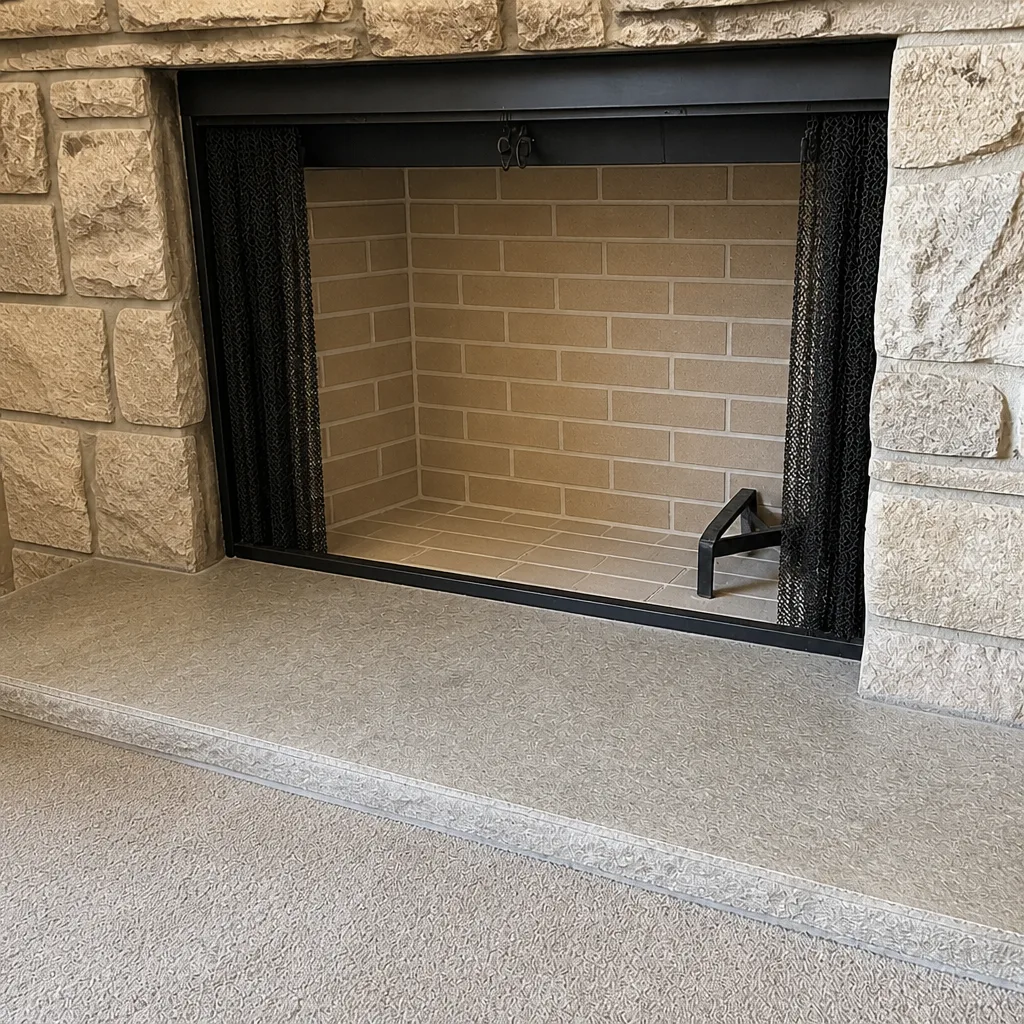 After
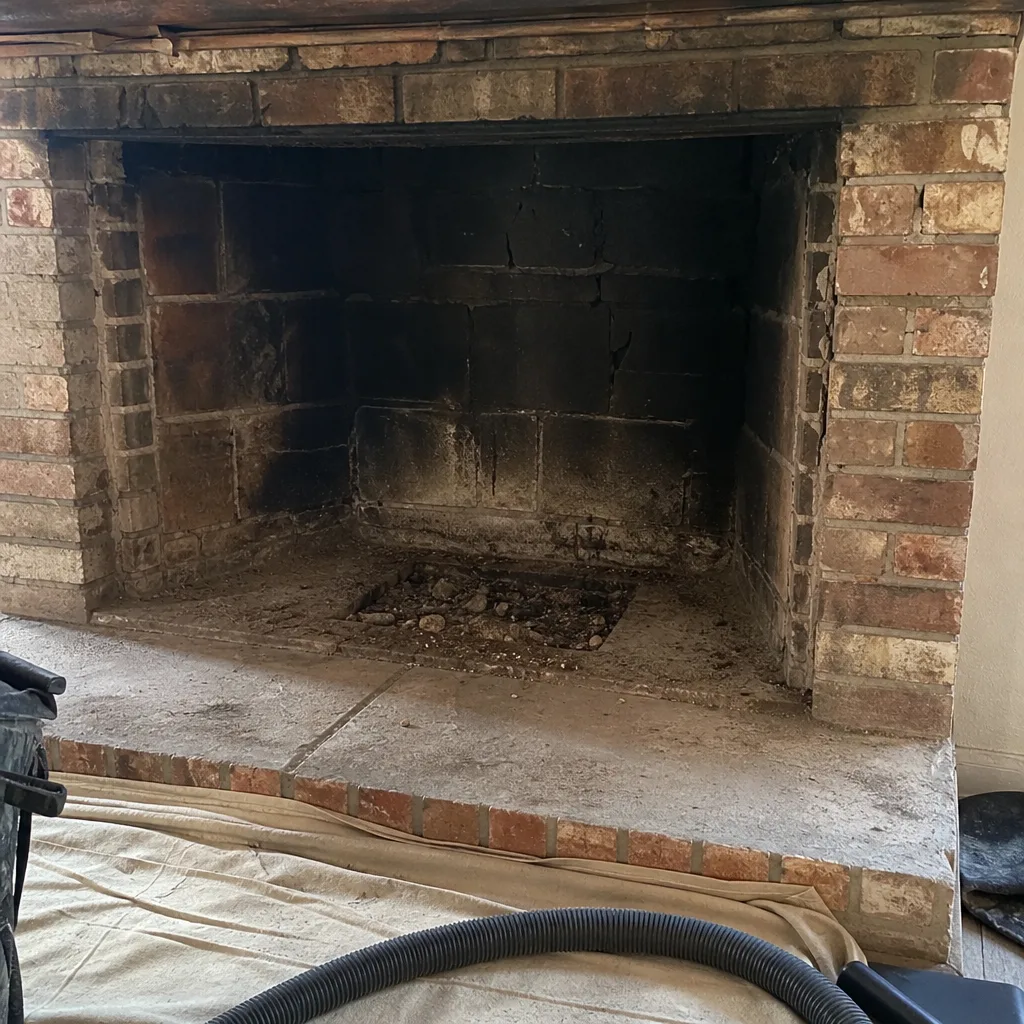 Before
 After
 Before
 After
When to Call a Professional
Some seasonal care is reasonable for a homeowner to handle: a walk-around to check the cap and crown, a visual look inside the firebox, and a damper test. Most of what actually matters needs a trained technician with proper tools and inspection equipment. Call a professional if you’re seeing smoke in the room, if you haven’t had the chimney inspected in a year or more, if you’re moving into a Centennial home and don’t know its history, or if the exterior masonry looks different than it did last year. Call before fire season, not after. And call if you’re simply unsure, because a proper inspection is what turns uncertainty into a plan.
Centennial Chimney Sweep Pros offers free estimates in Centennial. Call (866) 589-5349. We answer 24/7. Fast dispatch from 7am to 7pm, Sunday through Friday. We tell you what we find, and we fix it. From sweep to structural repair, one company handles the whole system.
Frequently Asked Questions
Most Centennial homeowners should have their chimney swept once a year during the fall window, and inspected at the same time. A chimney that sees regular winter fires, or that burns wood in a firebox that’s oversized for the flue, may need more frequent attention because creosote builds faster. The general rule from our industry is annual inspection and a sweep as needed, but the right cadence for your specific chimney comes from a proper inspection. Call (866) 589-5349 for an exact quote. Estimates are free.
Late August through September is the highest-value window because creosote from the past winter is easier to remove, summer moisture has already revealed itself in the masonry, and repair contractors still have availability before the season starts. Waiting until October or November means scheduling alongside the rest of the metro, often with a longer wait for a slot while you’re already burning. The fall visit isn’t just a sweep, it’s the point at which the whole chimney gets checked before it’s tested by cold weather. Call (866) 589-5349 for a free estimate.
A spring inspection catches the winter’s damage while it’s still fresh and visible. Efflorescence on brick, spalling on the chimney face, moisture intrusion at the smoke chamber, and crown cracks all show up after the thaw. Catching these in April or May means they’re corrected before summer rain makes them worse. A fall inspection is about readiness; a spring inspection is about repair. Both matter, and both are worth doing in the same year.
Not always, and the honest answer depends on what the inspection shows. A cracked or deteriorated flue liner does need attention because it’s the barrier between combustion and the framing of the house, but restoration with HeatShield is an option that resolves a failing liner without a full tear-out. The decision should come from camera evidence of the liner’s condition, not a blanket recommendation. If your liner is intact and venting correctly, we’ll tell you so. Call (866) 589-5349 for an exact quote. Estimates are free.
Skipping a year doesn’t automatically mean a chimney fire, but it does mean the damage that started in one season keeps compounding into the next. A hairline crown crack from summer rain gets worse through winter freeze-thaw, and a creosote layer that was a moderate buildup last year becomes thicker. The cost isn’t in a single missed sweep, it’s in the repair that becomes structural because it was caught a year late. In Centennial’s climate, the compounding happens fast. Call (866) 589-5349 for a free estimate.
Yes, because Centennial’s climate and wildlife make an open flue a liability. A cap keeps rain, snow, and animals out while still letting the flue vent properly. It’s one of the smaller investments in your chimney system that prevents the bigger problems, particularly the summer nest buildup and the moisture intrusion that leads to spalling. If your cap is damaged or missing, having it replaced is a straightforward service we handle. To learn more, see our chimney cap & crown page.
The Bottom Line
Chimney care in Centennial isn’t evenly spread through the year. Two narrow windows do the real work: late August through September, when you sweep, inspect, and check the cap before fire season; and April through May, when you read the winter’s damage on the masonry and liner. Summer is when unused chimneys collect problems, and a quick walk-around in the warm months is worth the effort. Stack the tasks into two visits and the whole thing becomes simple. Skip either window and the damage that starts small gets expensive fast. From a routine chimney sweep to fireplace repair, the answer is the same: stay in front of the seasonal cycle and keep the system in one piece. If you’ve got questions about your own chimney, the fastest way to a real answer is a call.
Call (866) 589-5349 for a free estimate. Centennial Chimney Sweep Pros works with the brands professionals specify, including DuraFlex, HeatShield, Gelco, Olympia Chimney, Famco, and Copperfield. We answer 24/7. Fast dispatch from 7am to 7pm, Sunday through Friday.
Learn more about Centennial Chimney Sweep Pros and the full range of chimney services we offer.
Written by the team at Centennial Chimney Sweep Pros.