
Last updated November 23, 2026
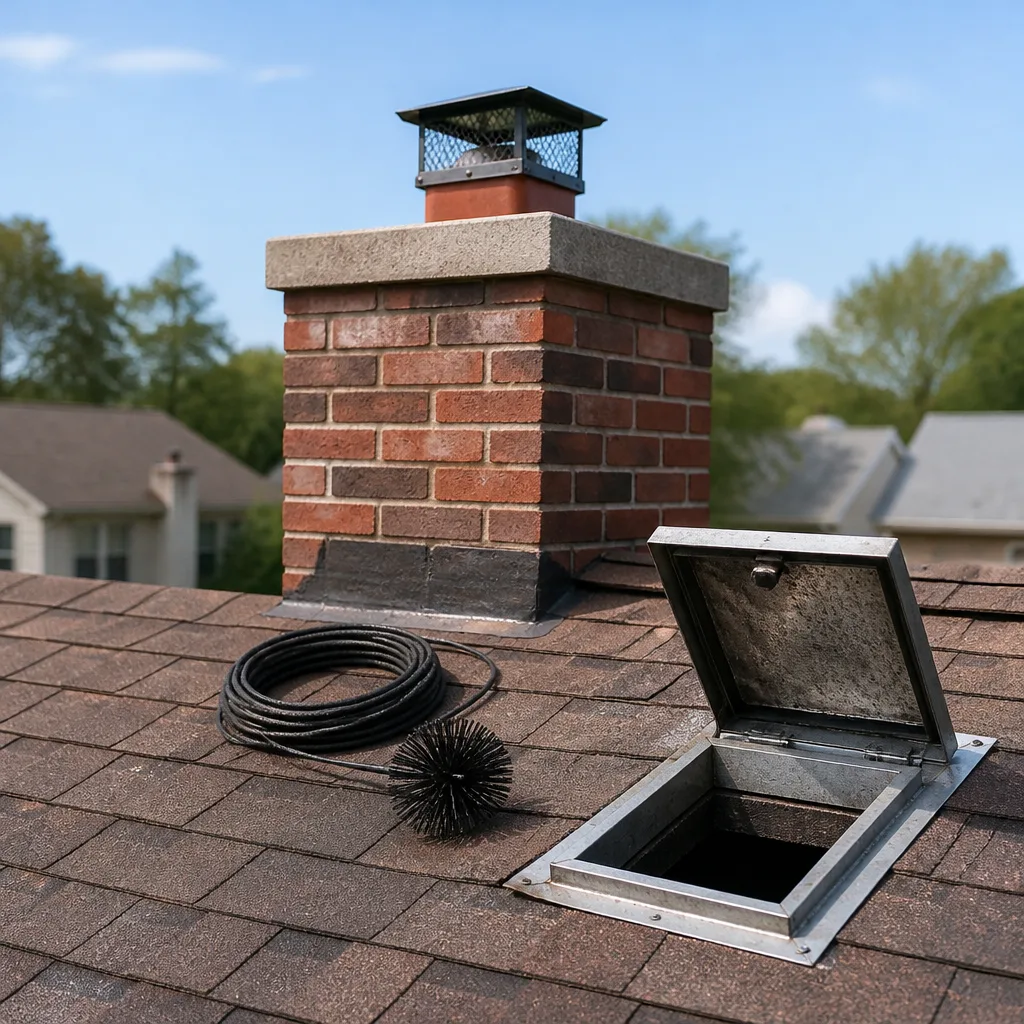 Sweep & inspection
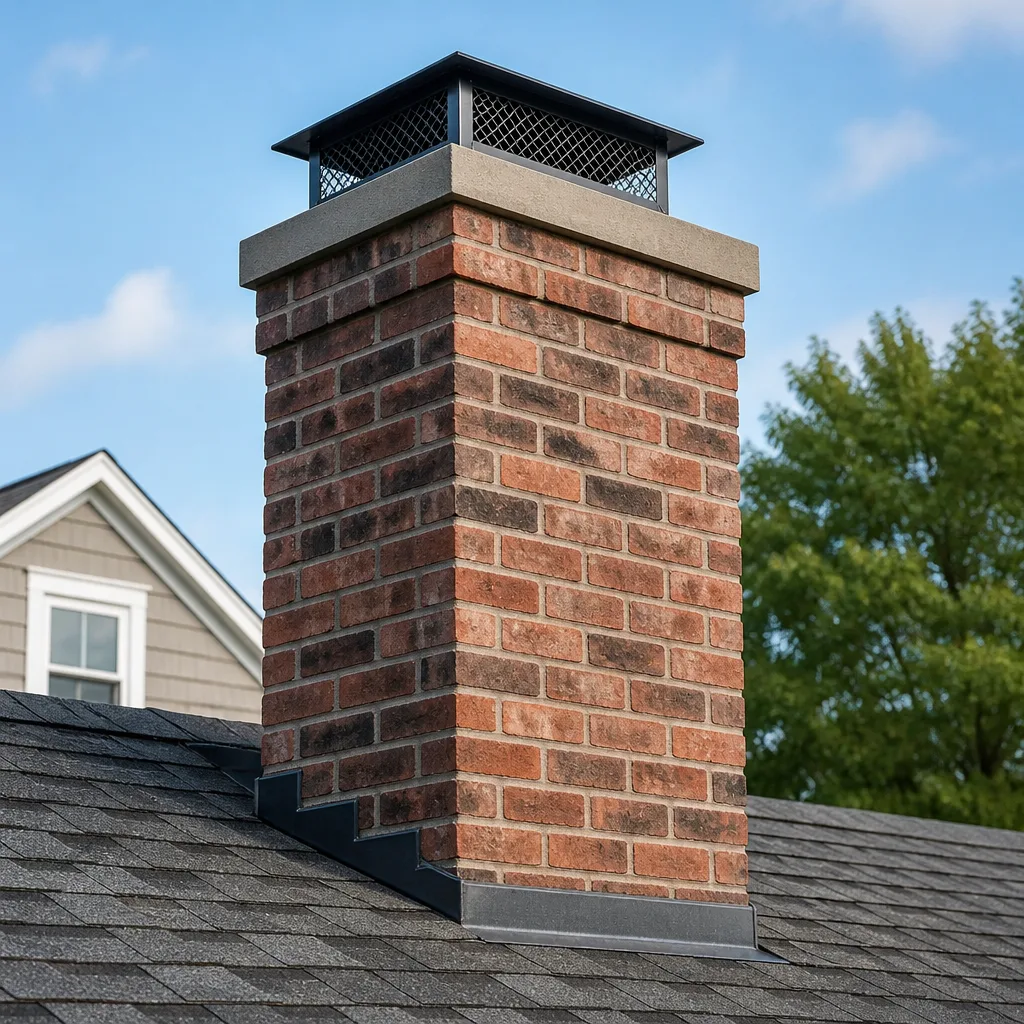 Caps & crowns
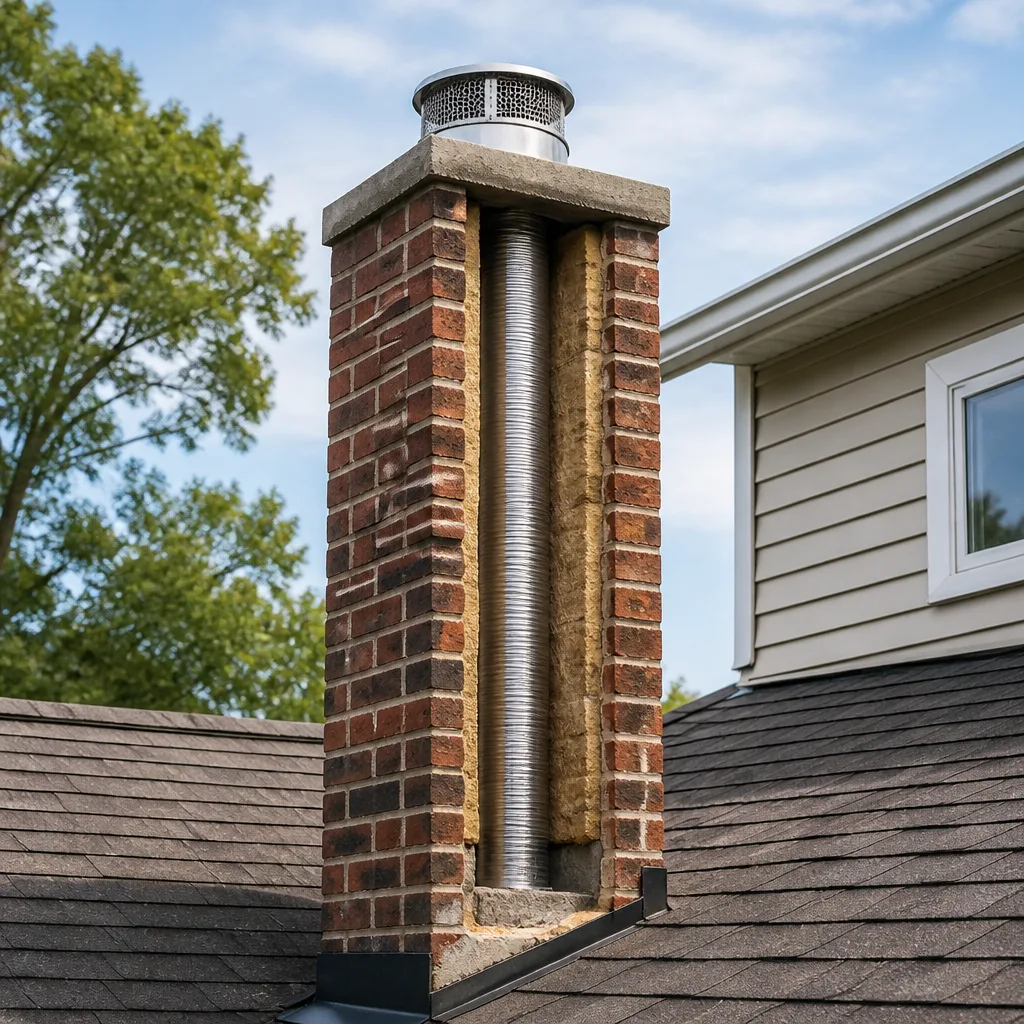 Flue relining
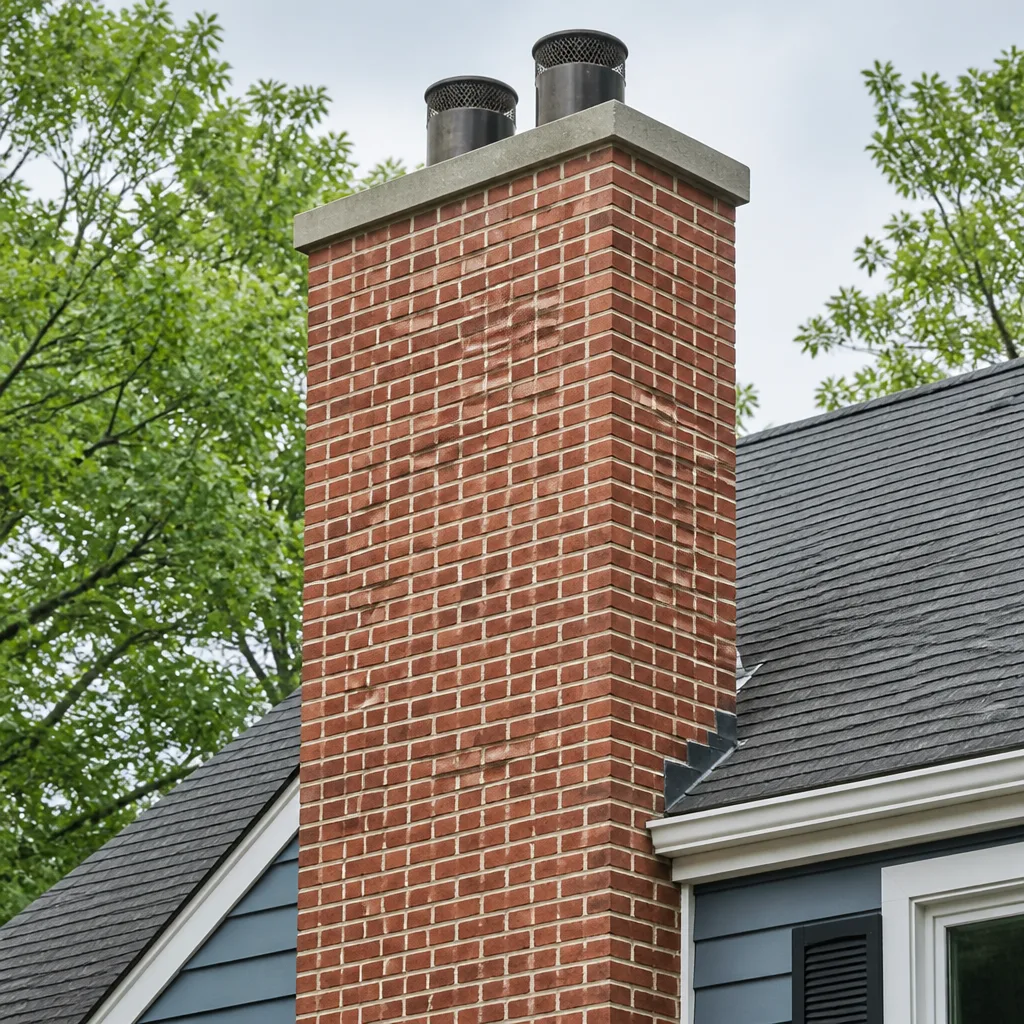 Masonry repair
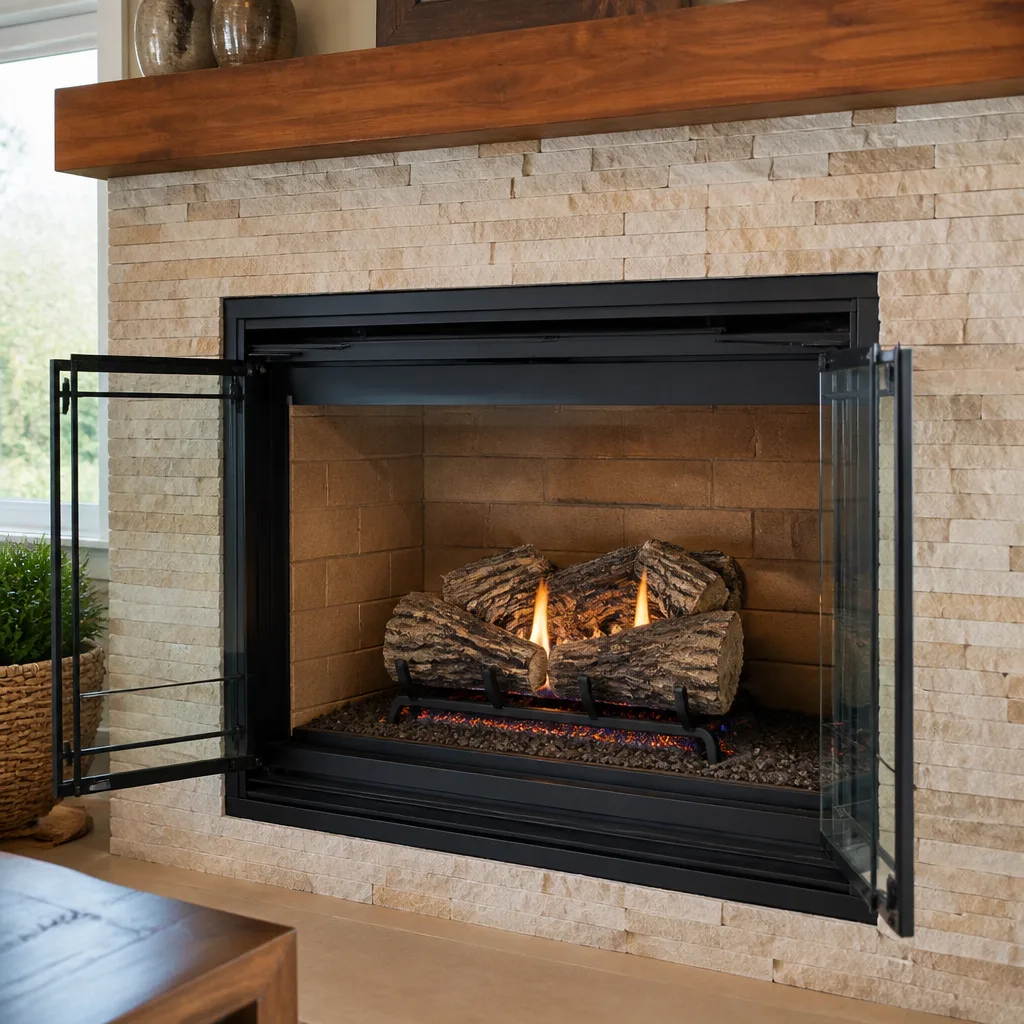 Gas fireplace service
Level 1 sweep and inspection to the NFPA 211 annual standard - flue, crown, cap, and flashing checked and photographed
Chimney sweep logs do not sweep chimneys. They loosen some creosote - which then falls where a brush and vacuum still have to collect it.
The Complete Guide to Chimney Cleaning in Centennial
Most homeowners in Centennial think of chimney cleaning as a scrub-and-go job, something a handyman handles on the way out of the door. Here’s the counterintuitive part: cleaning is the smallest piece of the process. Centennial sits at roughly 5,800 feet of elevation, and wood burns less completely up here than it does at sea level. That single fact changes how fast creosote accumulates, what kind of inspection your flue actually needs, and why a sweep is a diagnostic appointment as much as a cleaning one. This guide walks through the full picture: what elevation does to your firebox, which inspection level applies after a Colorado hail season, and what “clean” actually means in measurable terms. Everything here is written from Centennial, for Centennial.
Quick Answer
Chimney cleaning in Centennial is a diagnostic service that starts with a sweep and a Level 1 or Level 2 inspection, then moves to any repair the inspection turns up. At our elevation, incomplete combustion builds creosote faster than most national guides suggest, so annual sweeps matter more here than in low-altitude markets. A proper sweep covers the firebox, smoke chamber, flue, and liner condition, not just the visible flue opening. The written estimate, agreed before booking, sets the final price.
Styles & brands we work with
- Sweep & inspection
- Caps & crowns
- Flue relining
- Masonry repair
- Gas fireplace service
Table of Contents
- Why Centennial’s Elevation Changes Chimney Cleaning
- Level 1, Level 2, and Level 3 Inspections Explained
- What a Full-Scope Sweep Covers (And What a Handyman Skips)
- Clay Liners, Freeze-Thaw Cycles, and Thermal Cycling
- What “Clean” Actually Means: NFPA 211 Deposit Standards
- What Colorado Hail and Freeze-Thaw Seasons Do to a Chimney System
- How a Sweep Appointment Actually Goes
- Common Mistakes to Avoid
- When to Call a Professional
- Frequently Asked Questions
Why Centennial’s Elevation Changes Chimney Cleaning
At roughly 5,800 feet, Centennial’s air is thinner and holds less oxygen per cubic foot than the air at sea level. A fire needs oxygen to burn cleanly. In thinner air, a wood fire burns less completely, leaving more unburned material to condense in the flue as creosote. That’s a physics fact, not a sales pitch. It means the same firebox, the same wood, and the same habits that produce a moderate creosote deposit in a coastal city produce a thicker, faster deposit here.
Creosote is the residue of incomplete combustion. It deposits on the flue walls in layers. It can be crusty, flaky, or in advanced cases glazed and shiny, a form that’s harder to remove and more of a fire hazard. How fast it builds in a Centennial chimney depends on several factors:
- Elevation and oxygen: less complete burn at 5,800 feet means more residue per cord of wood.
- Wood moisture: unseasoned or damp wood burns cooler and incompletely, accelerating deposit.
- Airflow: a short or poorly drafted flue pulls less air, worsening combustion.
- Firebox design: older fireboxes with inefficient geometry leave more residue than newer designs.
- Burn habits: many hot, clean burns beat one long smoldering fire for deposit buildup.
None of this argues for panic. It argues for a sweep schedule built for Centennial conditions rather than one copied from a national checklist. For a working fireplace in Centennial, an annual sweep and inspection is the prudent baseline. Some homes with heavy use or poor draft may need more frequent attention. The best way to know what your chimney actually needs is a sweep and inspection that looks at the whole system and reports what’s found.
Level 1, Level 2, and Level 3 Inspections Explained
Not every chimney call is the same inspection. The industry grades inspections in three levels, and which one you need depends on what’s happened to your chimney system since the last visit. Here’s how the levels differ:
- Level 1: A visual check of the readily accessible parts of the chimney and firebox, done with the appliances connected. This is the routine annual appointment when nothing has changed in the system.
- Level 2: A more thorough assessment that covers accessible parts plus concealed areas using a video camera, and it opens up more of the system to view. This is the level that applies after a change to the system, after a chimney fire, after a major weather event, or when a home changes hands.
- Level 3: The most involved level, which means accessing concealed areas that require removing parts of the structure. Level 3 is reserved for a specific known reason to check those areas, not a routine step.
Centennial sits in an active hail and severe-weather corridor along Colorado’s Front Range. A significant hail event or a hard freeze-thaw cycle is exactly the kind of event that pushes you from a routine Level 1 to a Level 2, because the crown, cap, and upper flue are where weather damage shows first. When we hear a homeowner describe a big hail season or a winter of temperature swings, we plan for the inspection level that matches it. That’s the difference between a guess and a diagnosis.
The takeaway: a homeowner who books a sweep after a rough weather year should ask for a Level 2 inspection with a camera. A homeowner who just wants a routine annual cleaning can start with a Level 1 and go from there.
What a Full-Scope Sweep Covers (And What a Handyman Skips)
A chimney sweep is not a single surface to scrub. Your chimney is a system: firebox, damper, smoke chamber, flue, liner, crown, and cap all work together. A proper sweep covers all of it. A handyman add-on sweep typically skips the parts that are harder to reach and easier to ignore. Here’s the difference, laid out:
- Firebox: Full-scope sweeps clean the combustion chamber itself, not just the flue above it.
- Smoke chamber: The sloped section above the damper where deposits collect; often skipped by handymen who clean only the flue throat.
- Flue and liner condition: A full sweep includes checking the liner. A handyman sweep may not look inside at all.
- Damper operation: Full-scope work checks that the damper opens and closes properly.
- Cap and crown: The weather-coping pieces at the top of the chimney, checked for damage.
- Deposit assessment: A measurable reading of creosote buildup on the flue walls, not just a visual glance.
This full-scope capability matters because a sweep that skips the liner and smoke chamber leaves the most important questions unanswered. Is the liner still intact? Is the crown waterproof? Are there cracked clay tiles? A handyman inspecting the flue throat with a flashlight answers none of those. Our approach treats the chimney as a system, and the sweep includes the parts a sweeping-only company sometimes skips. From sweep to structural repair, that’s the scope our company is set up for, which means no hand-off to a second contractor when the inspection turns up something real.
Clay Liners, Freeze-Thaw Cycles, and Thermal Cycling
Most older homes around Centennial have clay tile liners. Clay is a reliable and well-established material, and it’s been the standard for decades. But clay is brittle and doesn’t flex, and that matters in a climate that swings between warm days and freezing nights through the winter. Each heating cycle expands and contracts the flue and firebox slightly, and each of those thermal cycles stresses the clay tiles a little. Over years, hairline cracks and joints that were once tight can loosen.
A cracked clay liner is a structural problem because it lets flue gases and moisture escape into the surrounding masonry. It also opens pathways for creosote to seep behind the liner where sweeping alone can’t reach. Stainless steel relining using DuraFlex systems responds to thermal cycling differently because steel flexes slightly with the masonry rather than resisting it rigidly. For a failed or deteriorating clay liner, a stainless reline is the durable fix.
For liners in earlier stages of decline, where the structure is intact but the flue has surface damage, HeatShield restoration can restore the flue interior without a full tear-out. That’s a technically advanced option most sweep-only companies don’t offer, and it’s often a good fit for a liner that isn’t yet a candidate for full relining but needs more than a cleaning. If we inspect your chimney and find a liner that’s fine as it is, we’ll say so. If it’s a restoration case, we’ll show you the camera evidence and explain the options.
What “Clean” Actually Means: NFPA 211 Deposit Standards
“Clean” is not just a visual benchmark. The industry standard, NFPA 211, sets the mark for how much accumulated creosote on the flue wall is acceptable and how much needs removal. The practical working threshold that sweep technicians follow is to remove deposits back to the threshold NFPA 211 establishes, so a flue that looks clean on camera and a flue that’s actually clean are two different things.
Why does the standard matter? Because a flue with a thin layer of creosote may have the same shiny look as a flue that’s genuinely clear. A handyman with a flashlight can’t tell the difference. A trained sweep with the right tooling and, where warranted, a camera, can. Here’s what we mean by measurable “clean”:
- Deposit thickness: the layer of creosote on the flue wall compared to the NFPA 211 threshold.
- Coverage: whether deposits are local or cover the entire flue run.
- Form: whether deposits are crusty and easily swept, or glazed and bonded to the flue.
- Access: whether the smoke chamber and liner have been reached, not just the flue throat.
- Evidence: a photo report from the inspection showing what was found before and after.
Every report we issue includes camera inspection and photo documentation, because a homeowner shouldn’t have to take our word for it. You’ll see the flue interior, the liner condition, and the deposit level. From there, we can talk honestly about what’s urgent and what can safely wait.
What Colorado Hail and Freeze-Thaw Seasons Do to a Chimney System
A Centennial chimney lives through more weather punishment than the same chimney anywhere at sea level. Colorado’s Front Range produces hail several times a year, with the heaviest storms typically landing in the late spring and summer. Freeze-thaw swings run through the winter. Each of those forces acts on a different part of the chimney system.
- Hail: the crown, the cap, and the top of the flue take the direct impacts. A cracked crown or a bent cap is a hail-season finding.
- Freeze-thaw: water that enters a crack in the masonry expands when it freezes, widening the crack. Repeated cycles widen it further.
- Wind: gusting Front Range wind torques caps and can stress a loose cap or crown over a season.
- Snow and meltwater: meltwater working into cracks in the crown is the starting point for many masonry repairs.
That’s why we check the top of the chimney, not just the firebox. A crown that looks fine from the ground can have hairline cracks that take years of freeze-thaw to turn into water damage. When we find a compromised crown, chimney cap & crown work is the fix, and it’s work we do in-house as part of the same service sweep. Catching it early is the whole point of the inspection.
How a Sweep Appointment Actually Goes
Here’s what a sweep with our company involves, start to finish. We walk through it because knowing the steps helps homeowners know what to expect and how to prepare.
- Written estimate. Before the appointment is booked, you get a flat-price written estimate, so the number you agreed to is the number you’ll see on the invoice.
- Prep and protection. We protect the floor and surrounding area, then set up the sweeping tools for the flue and firebox.
- The sweep. Deposits are removed from the firebox, smoke chamber, and flue to the NFPA 211 threshold. Where the liner needs inspection, we run the camera.
- The inspection. We assess the firebox, damper, flue, liner, crown, and cap, using the inspection level that fits the situation.
- The report. We show you what we found with photos and explain any repair that’s needed, and anything that can safely wait.
- Repairs, if needed. Anything from a cracked crown to a damaged liner can be scheduled and handled by the same company.
One honest note on scheduling: no sweep is an emergency in the sense that the run to the hardware store is. The urgency here is seasonal. Centennial’s burning season starts when the cold sets in, so the smart move is to get the sweep and inspection done before the first fire, not after. We book appointments and confirm them in advance. If you’re reading this and thinking about the coming winter, that’s the right moment to book.
Common Mistakes to Avoid
- Treating the sweep as a one-man, one-hour job. A chimney is a system, and a full-scope sweep takes time to do properly. A handyman cleaning only the visible flue interior is not a sweep.
- Skipping the inspection after a hail season. A hard hail year is a Level 2 trigger. A Crown that looked fine before the storm is exactly what a camera inspection resolves.
- Delaying the annual sweep at high elevation. At 5,800 feet, creosote builds faster than the national frequency guides assume. A once-a-year sweep is the right baseline for Centennial, not an every-other-year default.
- Assuming a “clean” flue is clean. Visual clarity isn’t the standard. Deposit thickness against the NFPA 211 benchmark is.
- Ignoring cracks in the crown or cap because the fire burns fine. The fire can burn fine with a compromised weather-coping at the top of the chimney. The crown and cap are part of the system, not cosmetic conveniences.
- Assuming the liner is fine because the flue looks okay. A camera inspection is the only reliable way to see the liner and smoke chamber condition.
- Letting a handyman clean the flue and skip the firebox and smoke chamber. The retained creosote in the smoke chamber is a common source of both odors and hazard.
One safe, non-destructive check for a homeowner: look up the inside of the firebox when the chimney is cold and note any obvious damage. Don’t attempt to sweep the flue or reach into the firebox with tools. The flue and firebox interior are a professional’s domain, and the risk of a fall or worse is real. A trained technician handles the sweeping.
When to Call a Professional
Some situations call for a sweep appointment and a proper inspection, not a generalist. Call a professional if your fire has started to draw poorly, if you’ve noticed dark staining or soot on the masonry around the firebox, or if there’s a noticeable smoky smell when the fireplace isn’t in use. A draft that was fine last winter and is sluggish now is worth a look. A crown or cap that looks damaged after a hail season is worth a look. If you haven’t had a sweep and inspection this season and you use the fireplace regularly, that’s the other clear case for a call.
The right company for the job is one that inspects the whole chimney and can follow through on the repair. Centennial Chimney Sweep Pros offers free estimates in Centennial and can handle the sweep, the inspection, and any repair in one company. Call (866) 589-5349. We answer 24/7. Fast dispatch from 7am to 7pm, Sunday through Friday.
Frequently Asked Questions
Chimney cleaning in Centennial is priced per job by a written estimate, and the estimate is free. The price depends on the kind of sweep and inspection your chimney needs, so we come out, assess the system, and give you a flat number before we book. You’ll know the price before the work begins, and the written estimate sets the final price. Call (866) 589-5349 for an exact quote.
Only a camera inspection can tell you that. A liner that’s cracked, damaged, or structurally compromised may need relining, but a liner in reasonable shape may only need cleaning. We don’t recommend a liner without camera evidence you can see for yourself. If your liner is a restoration case rather than a replacement case, HeatShield restoration is an option. Call (866) 589-5349 to book an inspection and learn what your liner actually needs.
For a working fireplace in Centennial, an annual sweep and inspection is the sensible baseline. Because Centennial sits at roughly 5,800 feet and wood burns less completely up here, deposits build faster than the sea-level default suggests. Homes with heavy use, poor draft, or a history of heavy creosote may need more frequent attention. Call (866) 589-5349 for an exact recommendation.
Creosote builds up on the flue walls with every fire, and at Centennial’s elevation it builds faster. A thick deposit is a fire hazard, and a compromised liner lets flue gases and moisture into the surrounding masonry. Skipping the sweep doesn’t cause a problem to appear overnight, but it does shorten the runway to a real repair. Call (866) 589-5349 and we’ll inspect and report honestly.
The sweep removes deposits from the firebox, smoke chamber, and flue to the NFPA 211 threshold. The inspection assesses the rest of the system: the liner, crown, cap, damper, and overall structure. They’re done together because a sweep without an inspection leaves the important questions unanswered. Call (866) 589-5349 to book both.
Yes. At roughly 5,800 feet, the thinner air holds less oxygen per cubic foot, so a wood fire burns less completely than it does at sea level. That means more unburned material to condense as creosote. It’s the main reason our sweep schedule for Centennial is annual even for moderate use. Call (866) 589-5349 for an inspection built for our elevation.
The Bottom Line
Chimney cleaning in Centennial is a diagnostic process, not a scrub-and-go service. Elevation, freeze-thaw swings, and hail seasons shape what your chimney needs, and the parts that matter most (the liner, the crown, the smoke chamber) are the parts a generic sweep skips. A full-scope sweep and the right inspection level answer the real questions, and a camera report lets you see what we find. From sweep to structural repair, one company can handle the whole system. Our technicians have up to 8 years of experience, and we work with the brands professionals specify: DuraFlex, HeatShield, Olympia Chimney, Famco, and Copperfield. If you’re getting ready for the next burning season, now is the time.
Ready to book? Call (866) 589-5349 for a free estimate. We answer 24/7. Fast dispatch from 7am to 7pm, Sunday through Friday. You can also start with our Centennial Chimney Sweep Pros home page, read about a chimney sweep in Centennial, explore fireplace repair, or look into chimney cap & crown work. We’d be glad to talk it through.
Written by the team at Centennial Chimney Sweep Pros.
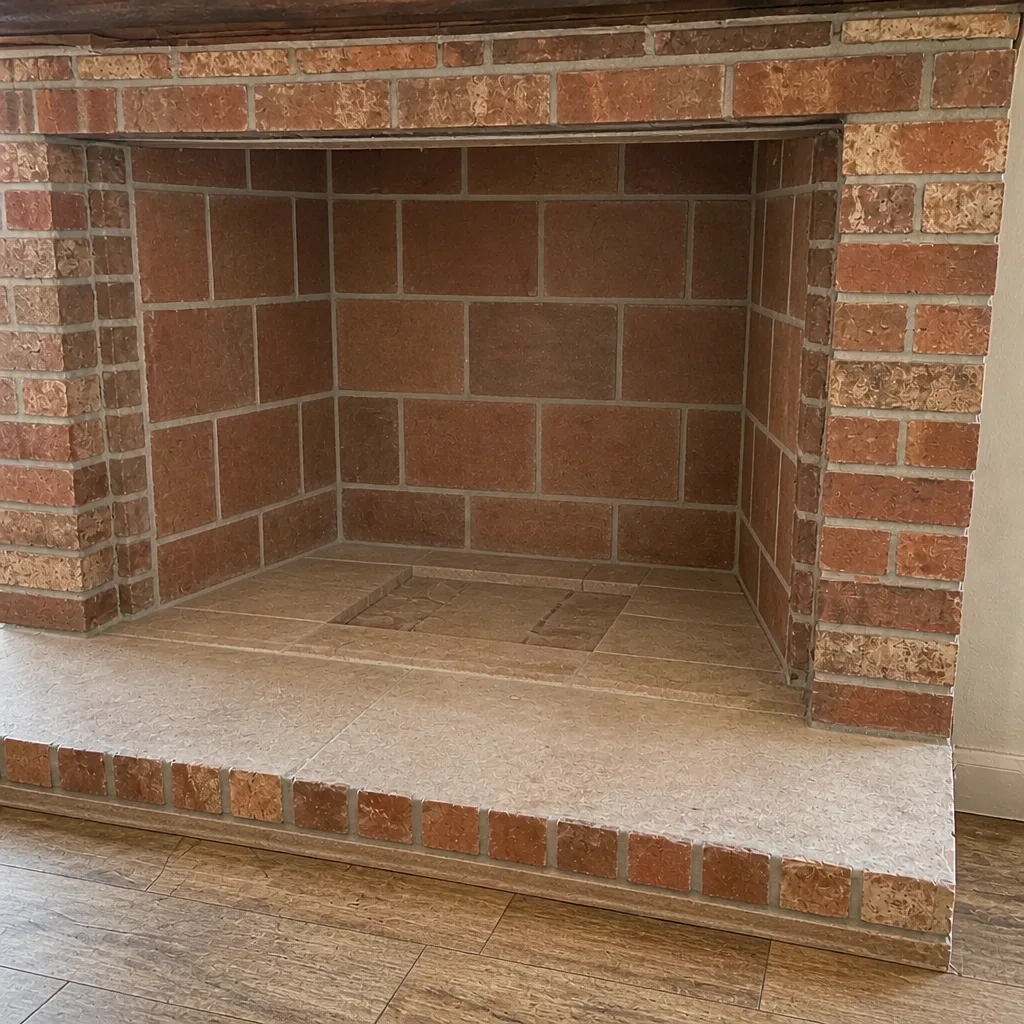
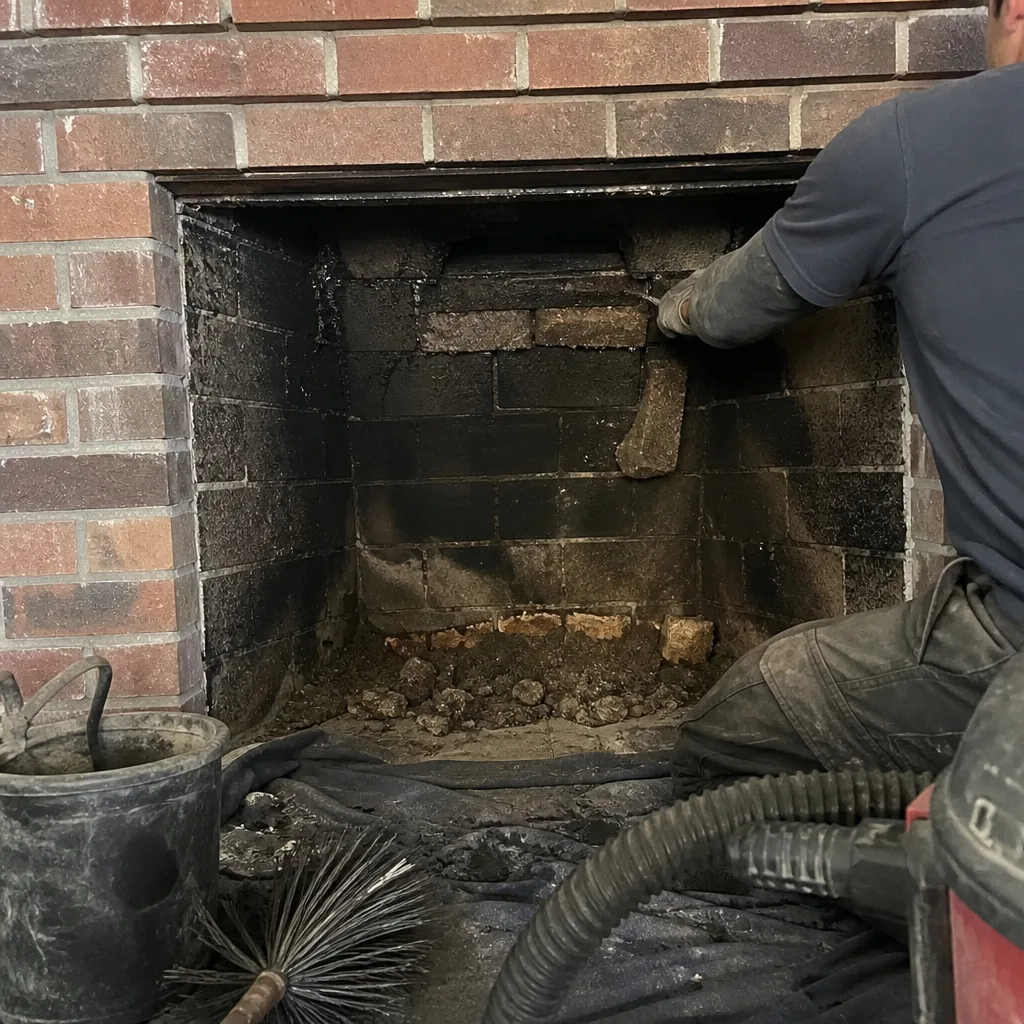
See the difference
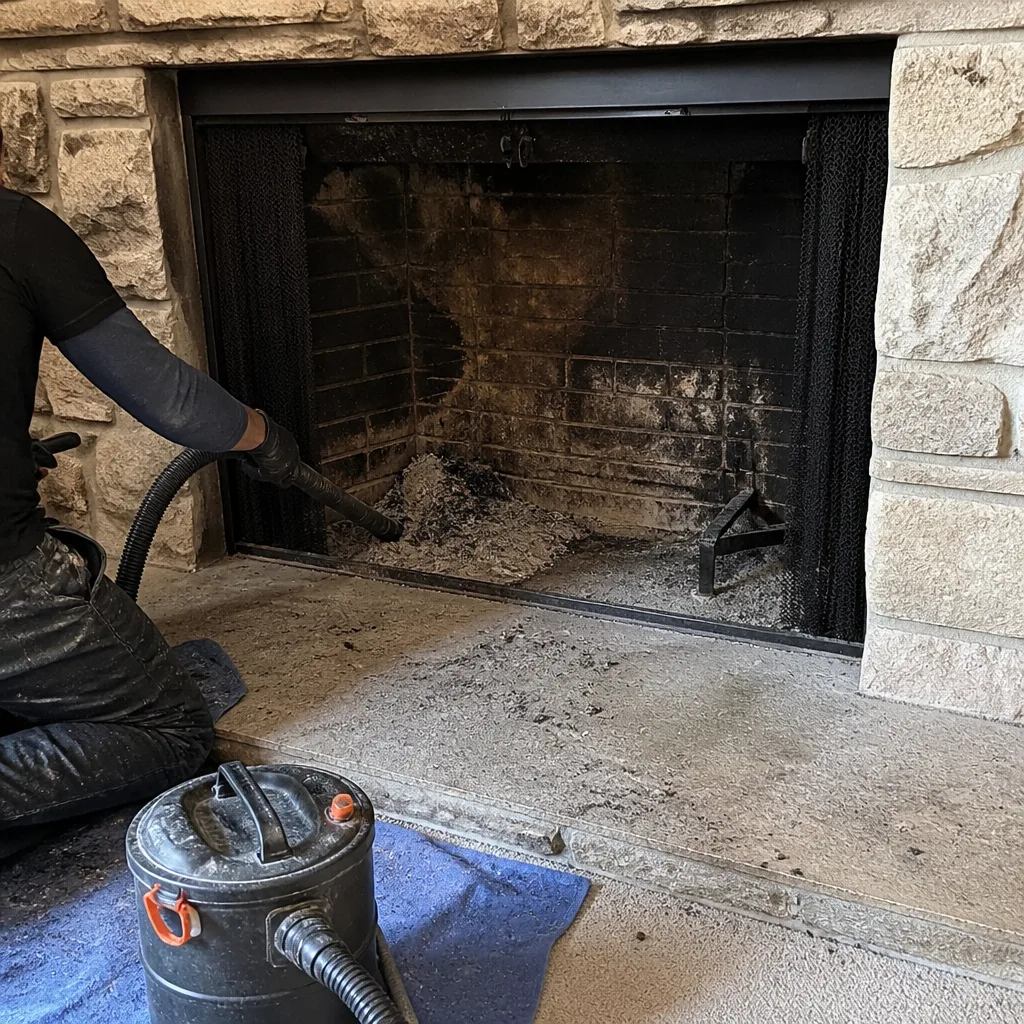 Before
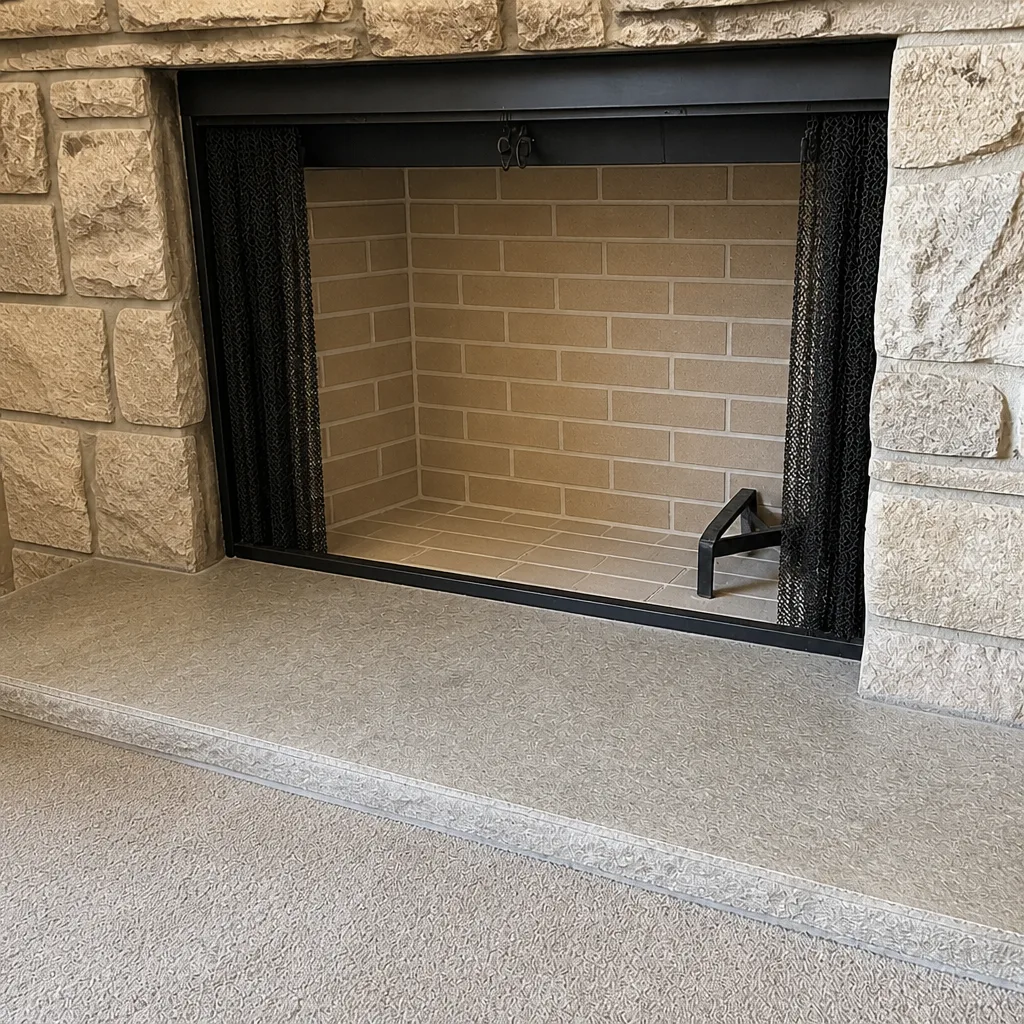 After
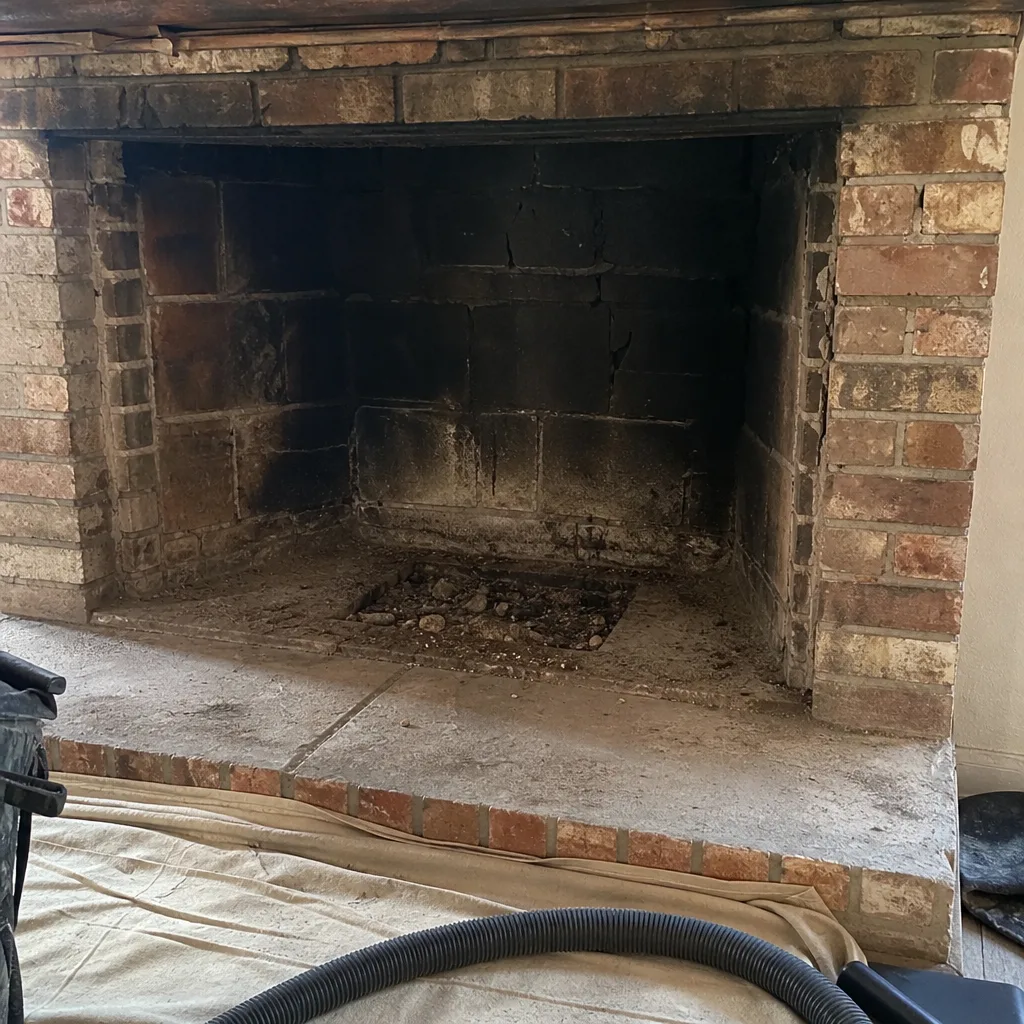 Before
 After
 Before
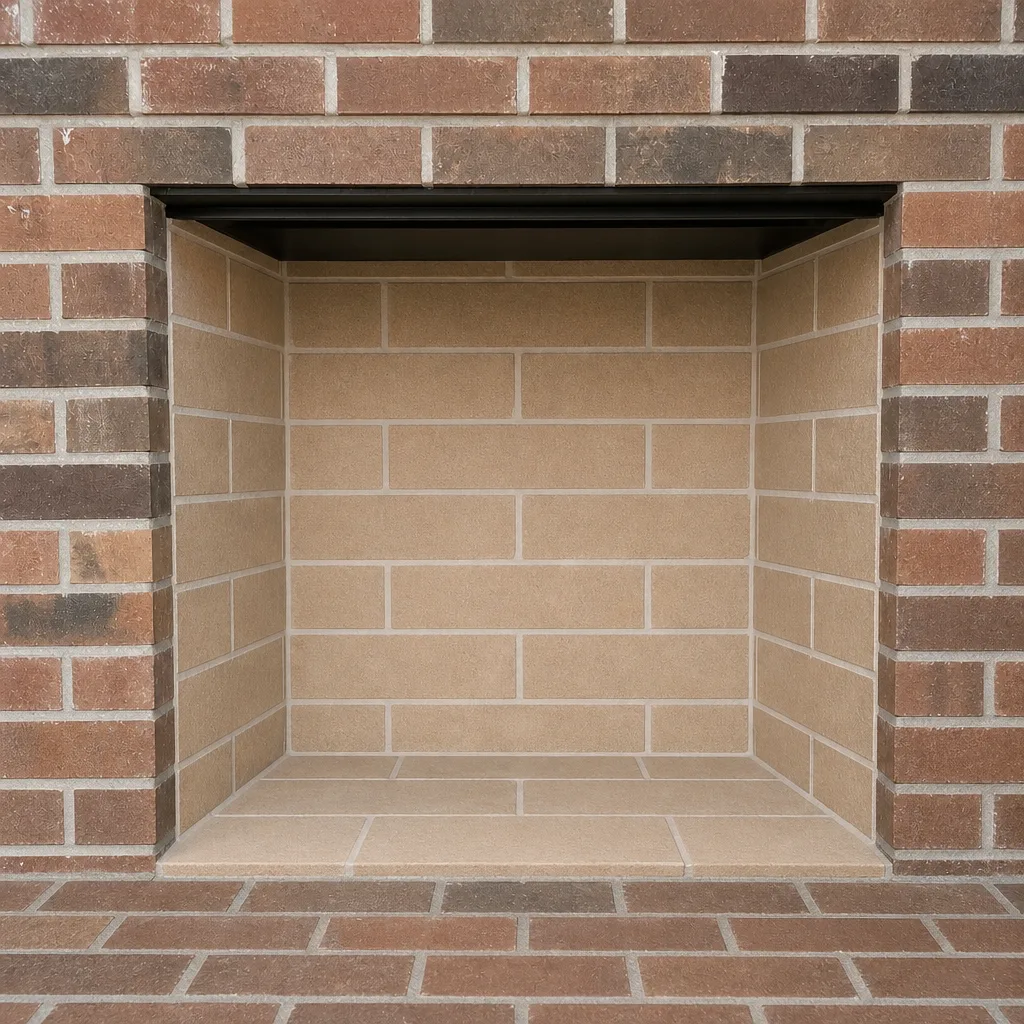 After