
Last updated November 23, 2026
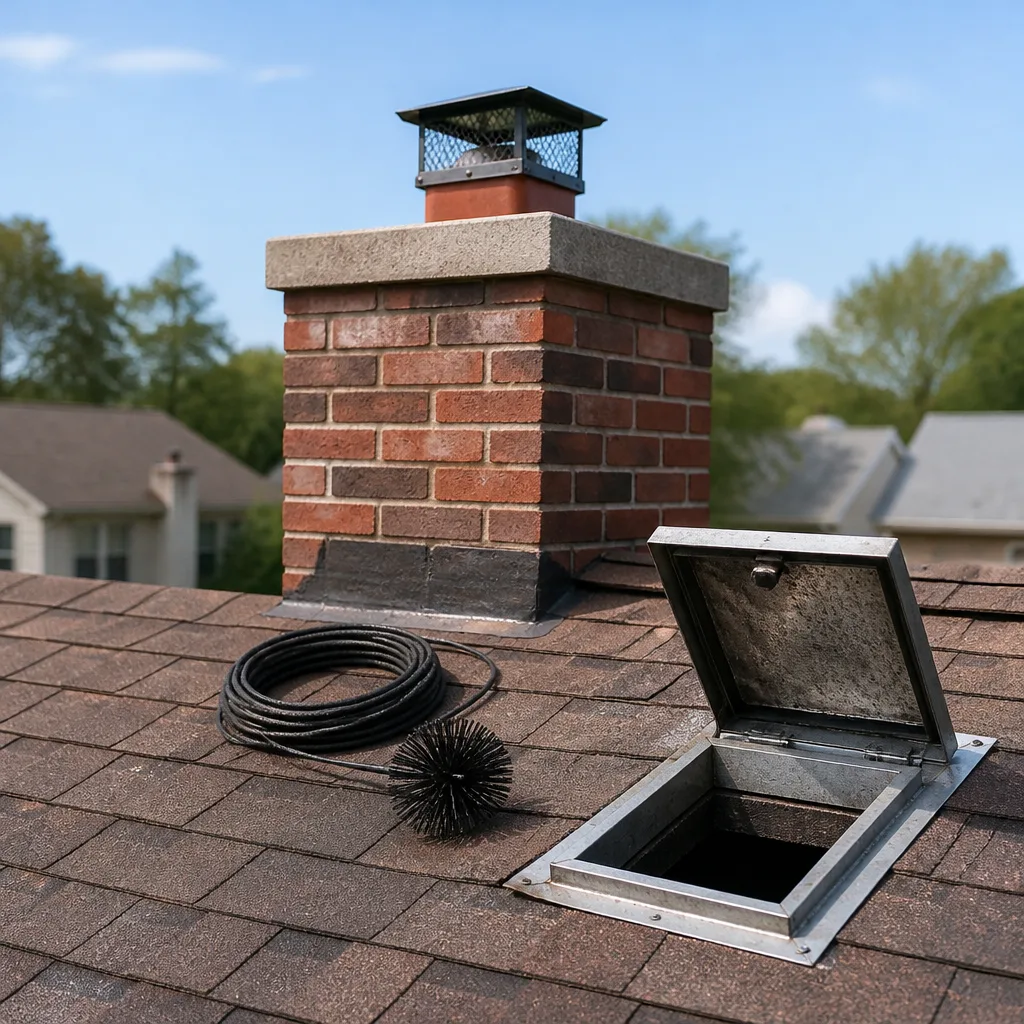 Sweep & inspection
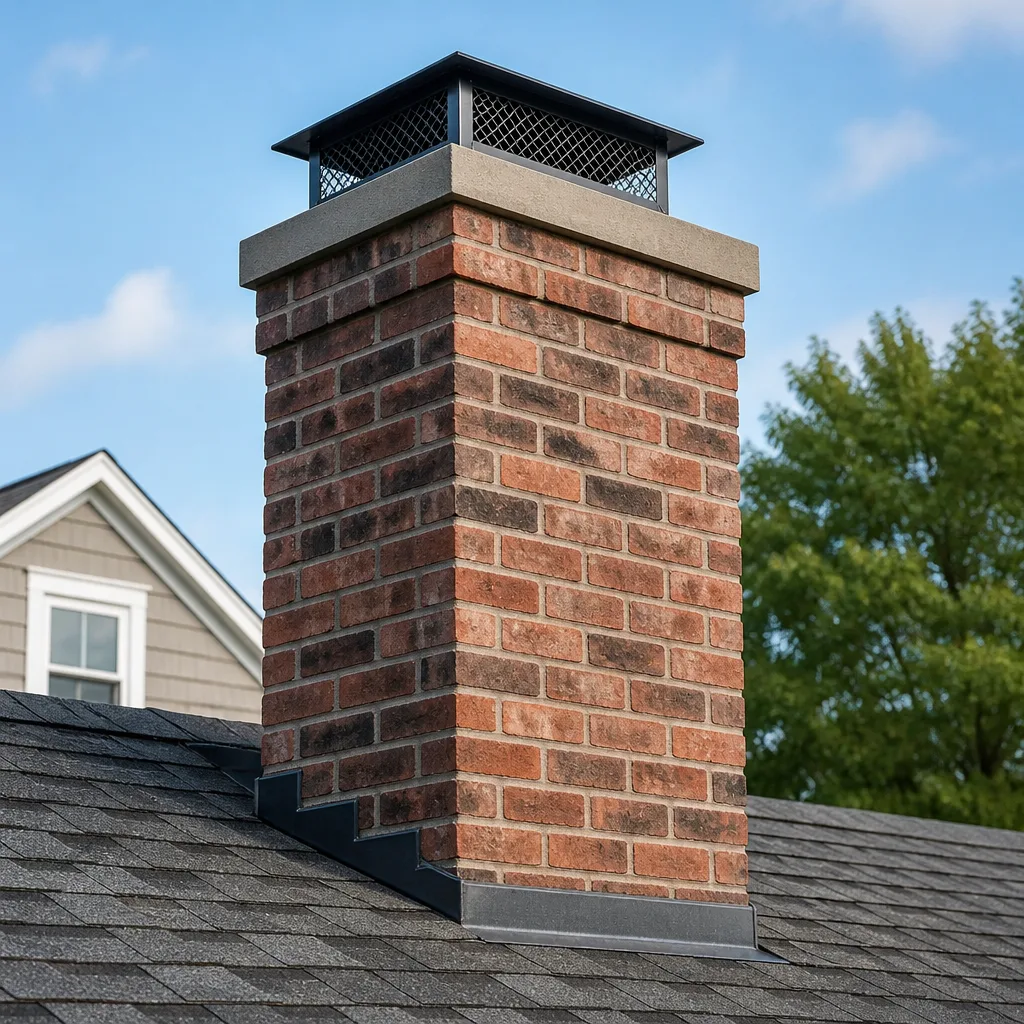 Caps & crowns
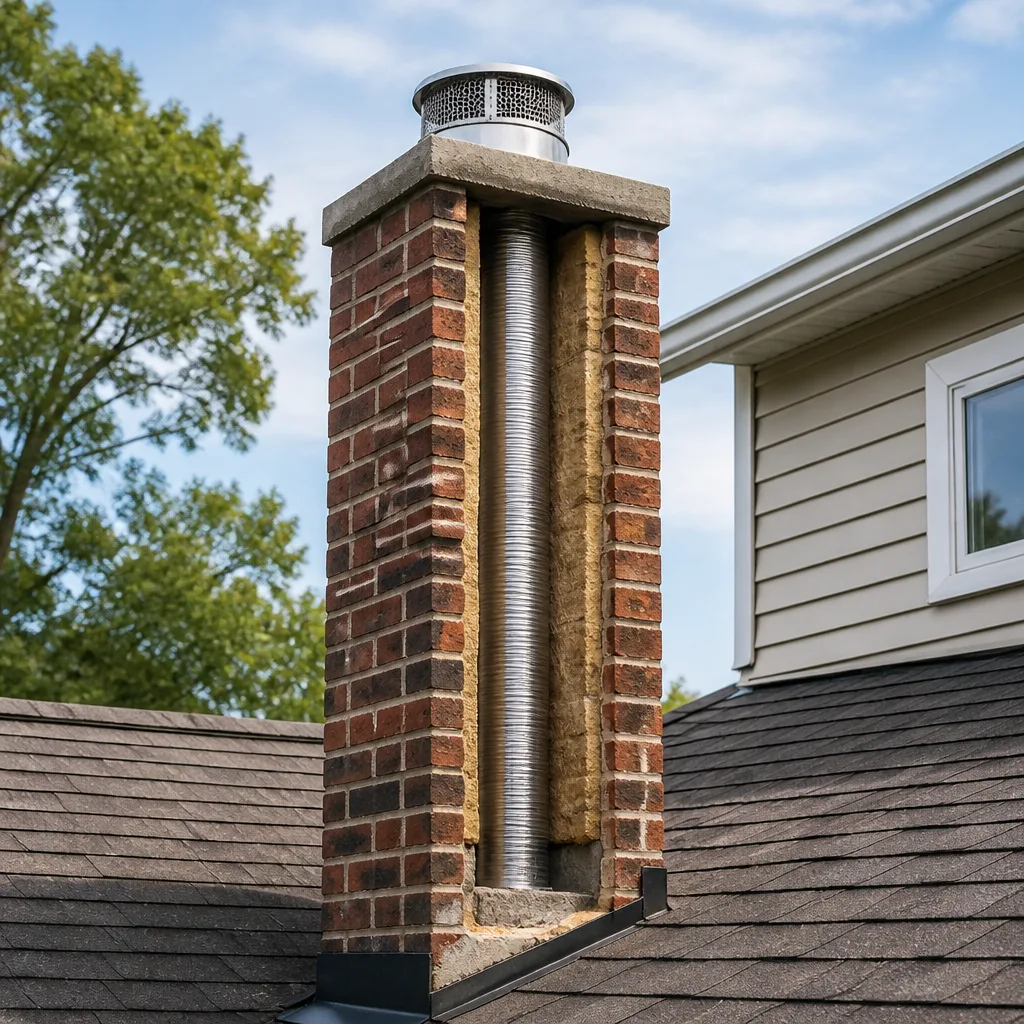 Flue relining
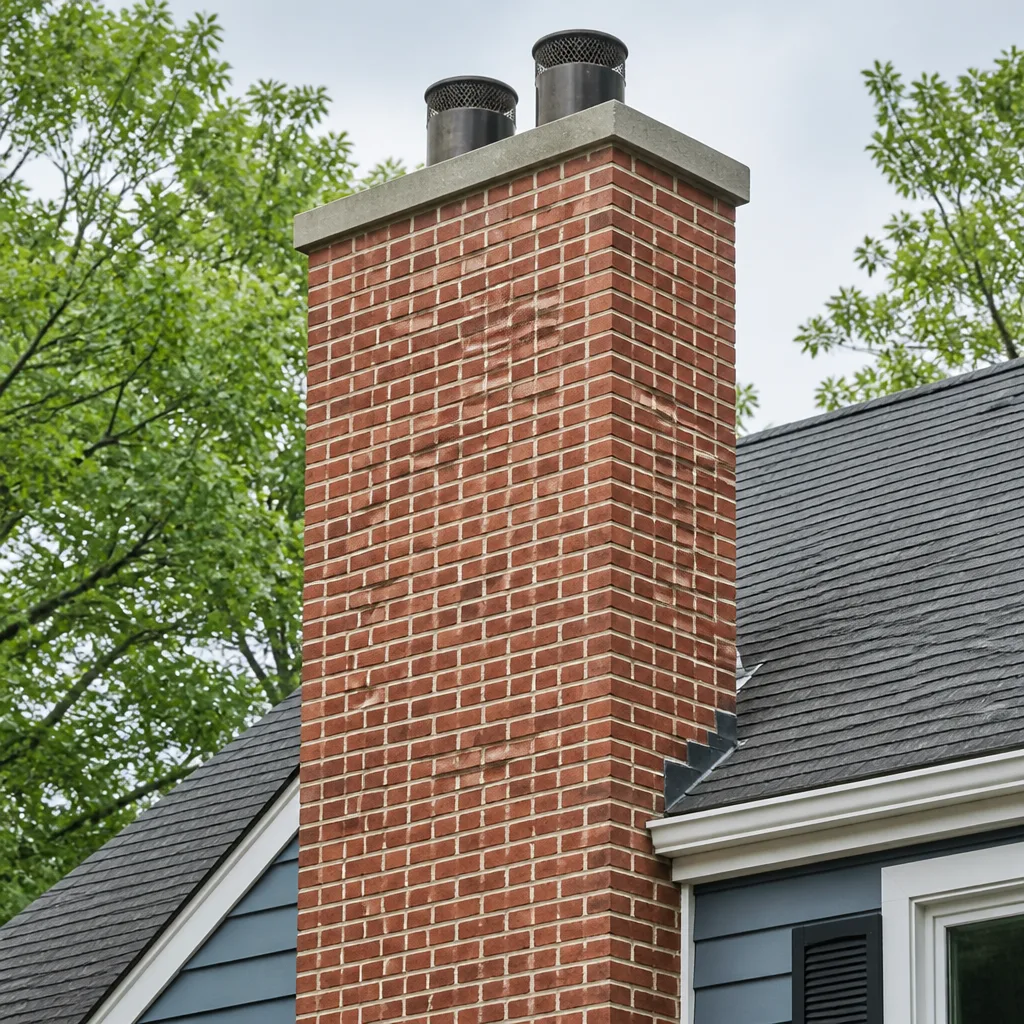 Masonry repair
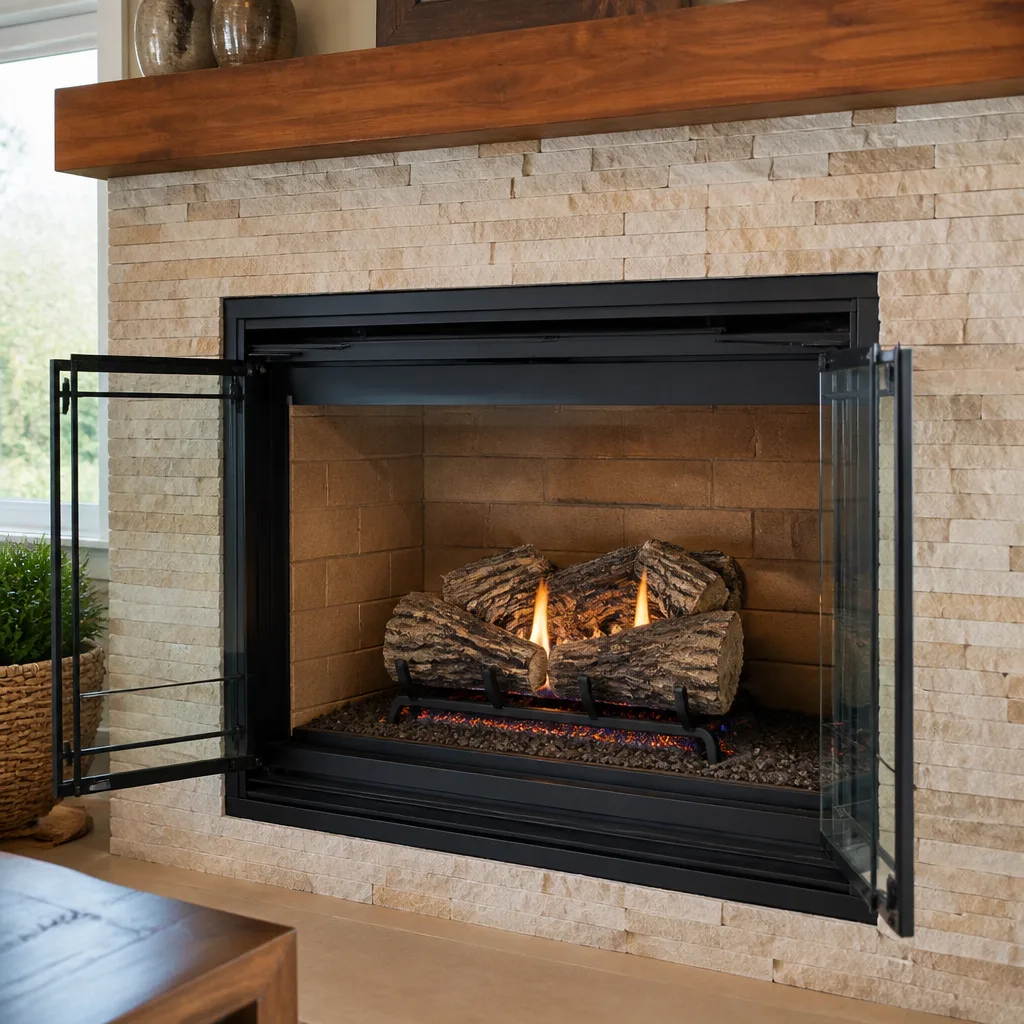 Gas fireplace service
Level 1 sweep and inspection to the NFPA 211 annual standard - flue, crown, cap, and flashing checked and photographed
Chimney sweep logs do not sweep chimneys. They loosen some creosote - which then falls where a brush and vacuum still have to collect it.
Chimney Cleaning Warning Signs: A Centennial Homeowner’s Reference Guide
A strong smoke smell in a room where you aren’t burning anything isn’t a quirk of your house. It’s a pressure failure in your flue system, and it’s telling you something specific about your chimney that a quick look with a flashlight won’t catch. Most warning-sign guides describe symptoms so advanced the damage is already done: cracked crowns, crumbling mortar, a fire waiting to happen. This guide works earlier than that. We’ll walk you through what to watch for from the firebox opening, what the stains on your exterior masonry actually mean, how to separate a maintenance flag from a genuine stop-use situation, and which Centennial conditions – elevation, wind off the Front Range, dry air – put your chimney under strain. By the end, you’ll know what your chimney is telling you before it becomes a problem.
Quick Answer
The main chimney cleaning warning signs are heavy soot or creosote buildup visible in the firebox, a strong smoke or sulfur smell in rooms you aren’t heating, smoke rolling back into the room when you light a fire, white staining on exterior masonry, and rust or a fresh water line inside the firebox. Any of these means the chimney needs a professional inspection. A few – gurgling creosote, gray or fluffy third-stage creosote, or a physical liner breach – mean stop using the fireplace until it’s assessed.
Styles & brands we work with
- Sweep & inspection
- Caps & crowns
- Flue relining
- Masonry repair
- Gas fireplace service
Table of Contents
- Reading the Three Stages of Creosote From the Firebox Opening
- What White Staining on Your Masonry Is Actually Telling You
- Normal Fireplace Odor vs. the Smells That Signal Trouble
- Draft Problems, Wind Patterns, and Centennial’s Elevation
- Maintenance Flags vs. Stop-Use Situations
- How Often to Inspect and Sweep
- Your Chimney Is a System, Not Just a Flue
Reading the Three Stages of Creosote From the Firebox Opening
Creosote is the byproduct of incomplete combustion, and it builds up on the flue walls in stages. The stage matters far more than the amount. A thin coating of the wrong kind is worse than a thick layer of the right kind. Professionals classify creosote in three stages, and you can learn to anticipate the stage by what’s visible from where you load wood.
First-stage creosote
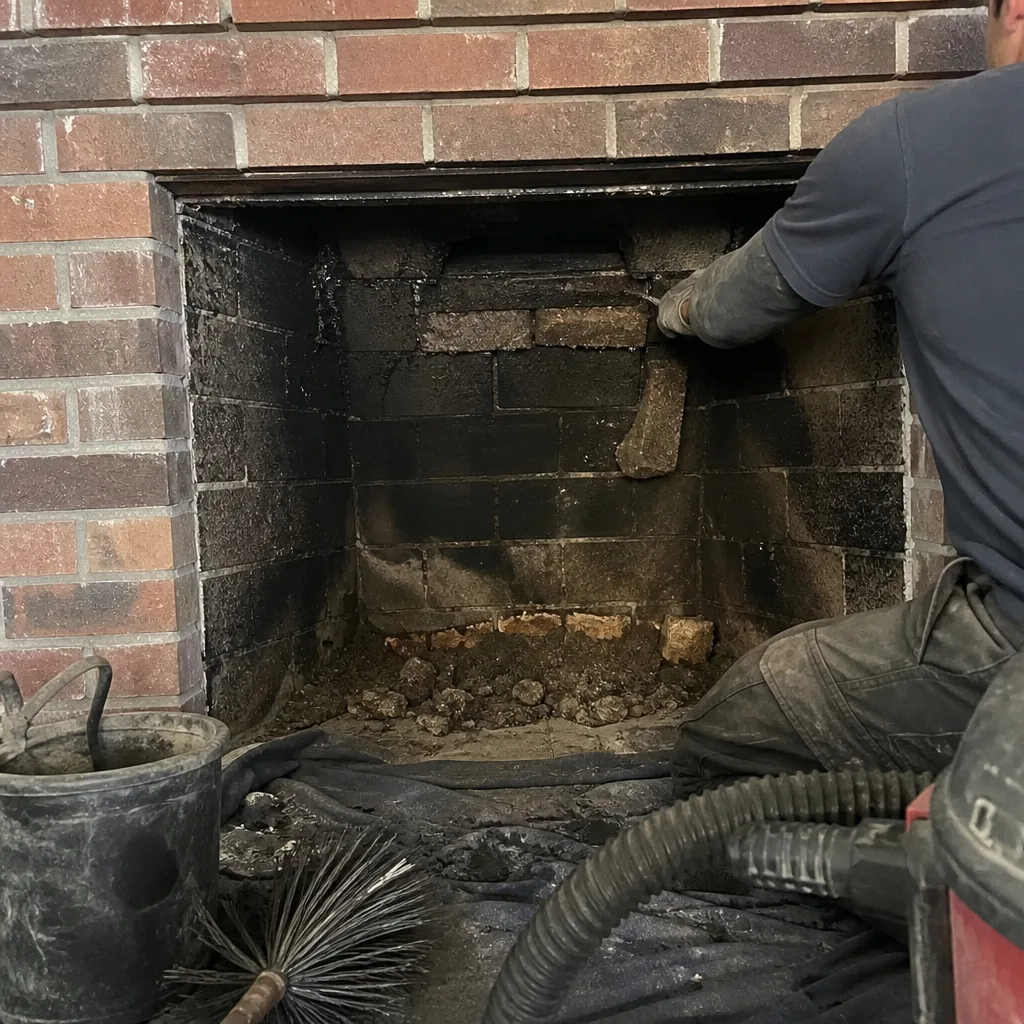
First-stage creosote is a light, sooty dust or a thin flaking layer, grayish-brown in color, that brushes off with minimal resistance. This is the only stage a homeowner should touch for basic upkeep, and even then only on the firebox walls and damper area you can safely reach – never inside the flue itself. A light layer is normal between sweeps. If it’s all you see, you’re burning reasonably well.
Second-stage creosote
Second-stage creosote is tougher: a dark, crusty, tar-like deposit that has fused to the surface. It doesn’t brush away. A sweep uses specialized rotary tools to remove it. When you see this stage on the firebox floor or lower walls, the flue above almost certainly has it too, and possibly worse. That’s a signal that your fire isn’t getting enough air or your wood is too green.
Third-stage creosote
Third-stage creosote is the dangerous one. It’s the shiny, hardened, glazed layer – often called glazed creosote – that looks like a glass coating baked onto the flue wall. It ignites at a lower temperature than any other stage, and when it burns it can rage at extreme heat. Our technicians have up to 8 years of experience, and they can tell you the truth: this stage is why chimney fires happen. If you can see a shiny, bubbly, or puffed layer of dark material on the firebox walls or inside the smoke chamber, stop burning and have it assessed.
The connection back to your burning habits is direct. Wet or unseasoned wood, a choked-off air supply, or a fire left to smolder overnight all produce more creosote. In Centennial, where wood can be bought from any number of sources, the moisture content varies widely. Getting a moisture meter and testing a split before you stack it is one of the cheapest, most protective things you can do.
What White Staining on Your Masonry Is Actually Telling You
Those chalky white stains on your exterior brick or chimney breast have a name: efflorescence. It’s a salt deposit left behind when water moves through masonry and evaporates on the surface. Efflorescence itself is harmless, but it’s a location marker pointing to where water is getting in. The key is where the stain appears.
Where the stain appears tells you where the leak is
- Near the top of the chimney: a failing chimney crown or a missing or damaged cap. The crown is the concrete slab on top of the chimney; when it cracks, water runs down into the flue. The cap is the metal cover over the flue opening; when it’s rusted or gone, water goes straight down the pipe.
- Along the mortar joints: water is being absorbed through the joints themselves. This is common on older brick chimneys where the mortar has begun to recede. Once water is inside the wall, freeze-thaw cycles widen the cracks.
- On the firebox or smoke chamber side: the staining appears inside, near the damper or on the firebox walls. This says water is running down the flue and pooling in the firebox. That’s a direct route for moisture to ruin a liner.
Centennial sits in dry, high-elevation air, but the freeze-thaw cycle here is relentless. Water that enters a crack or joint during a warm day will freeze overnight, and the expansion widens the crack. Once that cycle starts, it doesn’t stop. A chimney crown isn’t cosmetic – it’s the roof of your chimney. A hairline crack that lets in a few drops of water in spring is the same crack that splits the crown by winter.
What a homeowner can do: look for white staining and photograph it any time you notice a change. What a homeowner should not do: paint over the stain or seal the masonry without knowing the source of the water. Sealing wet brick traps the moisture inside, and that trap makes the freeze-thaw damage worse. A proper assessment finds the entry point first – often the crown or cap – and addresses that before any cosmetic fix. This is where a company that handles the full system pays off, rather than one that just sweeps and moves on to the next house.
Normal Fireplace Odor vs. the Smells That Signal Trouble
Every fireplace has an odor. A cold firebox, especially in summer, can smell faintly smoky or dusty. That’s the smell of a dormant chimney – the creosote and ash deposits releasing a little into the house. It’s normal if it’s faint and only in the room with the fireplace.
The smells that matter fall into two categories:
- The smoke smell in a room where there’s no fire. You walk into a bedroom or a hallway, and it smells like a fire just went out. That’s not a quirk of the house. It’s a pressure problem – the flue system is drawing air the wrong direction, or the house’s exhaust fans and dryer are pulling air down the chimney instead of up. It also happens when the chimney is too short for the surrounding structure, or the flue isn’t sized for the appliance. This one deserves a proper inspection, because the cause is almost never visible from inside.
- The sulfur or asphalt smell. A confirmed rotten-egg or hot-tar odor means glazed creosote is heating up, or there’s a breach in the liner letting exhaust into the structure. Either one is a stop-use signal. Get out of the habit of “just burning it off.” The smell doesn’t burn off; it escalates.
A third, quieter smell – a metallic or oily odor near the top of the chimney – can point to a failing metal liner or a deteriorating cap. It’s faint, and easy to mistake for a dead animal or a wet smell. If you can’t place the odor, that’s exactly the time to have the chimney looked at.
The safe rule: a faint, cold-fireplace smell that disappears once a fire is burning is usually normal. A smell that appears when the fire is out, or that appears in a room away from the fireplace, is a maintenance flag that deserves a professional look. In our experience, homeowners who catch the smell early avoid the more expensive repairs that come from ignoring it. A fireplace repair that starts with a camera inspection can trace the source quickly – far faster than guessing at it from the living room.
Draft Problems, Wind Patterns, and Centennial’s Elevation
Draft is the movement of air up the flue. When you light a fire, the heated air rises and pulls fresh air in behind it. A healthy chimney draws well. A sick one – too short, too leaky, the wrong size, or blocked – won’t, and you’ll notice the symptoms.
The draft symptoms to watch for
- Slow-starting fires: the kindling burns weakly and the fire wants to die. The flue isn’t pulling. This is often the first sign, and one of the easiest to miss because you assume the wood is damp or the wood is wrong.
- Smoke rollout: smoke escapes from the firebox opening into the room when you open the door or glass. This is a real pressure failure and needs attention before the next fire.
- Persistent downdrafts: the smell of smoke appears when you’re not burning. A downdraft means air is moving down the flue. It happens on windy days when a gust overwhelms the flue’s upward pull, and the flue is just slightly short or blocked.
Centennial has specific conditions that make draft problems more common than most homeowners expect. The Front Range gusts that roll off the foothills come in bursts, and a burst hitting the top of a short chimney can reverse a marginal draft instantly. That’s a wind problem, but the fix is usually a taller flue, a better cap, or a properly sized liner – not a new firebox. Elevation adds a second wrinkle: at altitude, the air is thinner, and chimneys need more height to generate the same draft. A flue that drafts fine at sea level can be marginal here. Homeowners who have a chimney that works on calm days but misbehaves on gusty ones have a draft problem, not a fuel problem.
A third local factor: tightly sealed modern homes. In Centennial’s newer subdivisions, houses are built to retain heat well, which is good for the gas bill and bad for the chimney. The house is so sealed that the dryer, the range hood, and the bathroom fans become competing exhausts. A chimney in a tight house needs a dedicated source of make-up air, or it will pull smoke back down. If your smoke smell problem appeared after you had new windows installed, that’s a clue worth telling your technician about.
Maintenance Flags vs. Stop-Use Situations
Not every warning sign means “call now and don’t touch the fireplace.” Some are maintenance flags – urgent enough to book a service, calm enough to use the fireplace carefully in the meantime. The distinction matters, because panic-booking can lead to unnecessary work and ignoring a genuine hazard can be far more dangerous.
Maintenance flags (book a sweep and inspection, use the fireplace cautiously)
- Light soot or first-stage creosote visible in the firebox.
- Faint cold-fireplace smoke odor that clears when a fire is lit.
- Slow-starting fires that improve once a well-seasoned fire is established.
- White efflorescence on exterior masonry, with no interior staining.
- A draft that’s weak only on gusty days and fine otherwise.
- Rust or a fresh water line on the damper, but no other symptoms.
Stop-use situations (do not light a fire until assessed)
- Shiny or bubbly glazed creosote visible inside the firebox or on the smoke chamber walls.
- Smoke rolling back into the room consistently, regardless of the wood or the weather.
- Sulfur, hot-tar, or asphalt smell after a fire has burned.
- Visible cracking or crumbling on the firebox walls or liner.
- White, powdery staining on the firebox or smoke chamber interior.
- Any smell of exhaust or smoke in an upstairs or adjacent room.
The reason for the split: a fireplace that’s still drawing, even a little, with only light buildup, is usually safe to operate carefully and book a service. A fireplace with glazed creosote or a liner breach is a fire risk or a carbon monoxide risk, and those are the two things a chimney is most dangerous for. We’re not trying to scare you, and we don’t believe in scare-selling. But the honest truth is that a chimney is the one part of your house that carries fire and exhaust out of the house, and a known breach is not a “we’ll get to it” item. That’s why we tell every customer the same thing: nothing is recommended without camera evidence, and we’ll tell you plainly when a job can safely wait.
If you’re unsure which category a sign falls into, a quick call is worth more than a guess. Call (866) 589-5349. We answer 24/7. Fast dispatch from 7am to 7pm, Sunday through Friday.
How Often to Inspect and Sweep
The widely accepted industry standard is an annual inspection and a sweep as needed. Most homeowners who use the fireplace regularly – say, a few fires a week through the season – should plan on a yearly visit. Heavy use, wet wood, or a fireplace that runs for whole evenings needs more attention than a fireplace that sees a dozen fires a year.
Two prompts that override the calendar and call for a look regardless of the last service:
- You’ve seen any of the warning signs in this guide, particularly the stop-use ones.
- You’ve had a chimney fire. Even a small one. Chimney fires can burn out quickly and leave no obvious damage to the firebox, but they can crack a liner. A post-fire inspection is not optional.
What an inspection actually involves matters here. A visual check from the firebox and the roof is the bare minimum; a camera inspection that runs the full length of the flue is what catches the problems a flashlight can’t see – the crack behind a bend, the failed joint, the debris nest halfway down that a rooftop look never reaches. We put the camera inspection and a photo report in every job, so you can see what we saw. That’s the answer to the fear every homeowner has of being told they need thousands of dollars of work they can’t verify: you don’t take our word for it, you look at the pictures.
Centennial’s dry climate changes the timing in one specific way. The days are warm and the nights are cool through a long shoulder season, which encourages a lot of short, low fires that produce more creosote than a hot fire. If you’re burning in spring and fall, that’s more small, cool-burning fires, and more frequent sweeps. A chimney sweep in the fall catches the summer’s buildup before it’s burned through the winter.
Your Chimney Is a System, Not Just a Flue
Most homeowners think of the chimney as a pipe. In practice it’s a system with several connected parts: the firebox and damper, the smoke chamber and smoke shelf, the flue and liner, the crown, and the cap. A problem in any one part moves the strain to the others. That’s the reason a warning sign that looks like a draft issue can trace back to a crown crack, and an odor in a distant room can trace back to a too-short flue.
This is also why a full-scope chimney company pays off. A sweep-only service visits, cleans, and leaves. If the same visit uncovers a cracked crown or a failing liner, you’re looking for a second contractor. We handle chimney cap & crown work, structural repair, and liner restoration in the same visit, so there’s no hand-off and nobody’s passing the responsibility to the next trade. The materials matter, too: we work with the brands professionals specify – Olympia Chimney, DuraFlex, HeatShield, and Famco – because a liner that lasts is a liner the trade trusts, and the wrong one becomes a warning sign of its own. HeatShield liner restoration is the tool that matters most here. It renews a deteriorating flue liner without a full tear-out, which is often the difference between a repair and a rebuild. From sweep to structural repair, the goal is to fix the cause – water, draft, wrong liner – and not just the one symptom you noticed.
The Centennial name is a nod to that approach. Chimneys are long-cycle structures, and the work we do should be built to last. A quick-fix cap that rusts in three years is a warning sign waiting to happen. A properly sized, properly sealed system isn’t something you think about until the next inspection.
Common Mistakes to Avoid
- Sealing the masonry before you find the leak. If you coat wet brick with a sealer, the moisture is trapped inside, and the freeze-thaw cycle does more damage. Find the entry point first, usually the crown or cap, and fix that before any sealer.
- Burning wet or green wood to save money. Here in Centennial, wood is readily available from many sources and the moisture content varies wildly. Green or wet wood makes more creosote, and creosote is what burns. Test a split with a meter; if you can’t, buy wood that’s been seasoned for a full year.
- Ignoring the smell in the second room. A smoke smell in a room that’s not the fireplace room isn’t a “house smell.” It’s the system pulling the wrong way, and pressure failures don’t fix themselves.
- Assuming a small chimney fire did no damage. A chimney fire can burn out in a minute and still crack a liner. If you’ve had one, have the system inspected before the next fire.
- Buying a cap from a big-box store and calling it done. A cap that isn’t sized to the flue, or that has no proper animal screen, fails in a season. This is a job for a proper cap, not a generic one.
- Wood burning with the damper barely open. The instinct is to keep the heat in. In practice, the choked air supply makes the fire burn cold and smolder, which is the exact recipe for creosote. Open the damper properly, especially when starting the fire.
- Waiting until the problem smells. The most expensive repairs usually start with the signs you can only see. The white stain and the slow-starting fire are the early warning; the smell is the late one. If you take one thing from this guide, take that one.
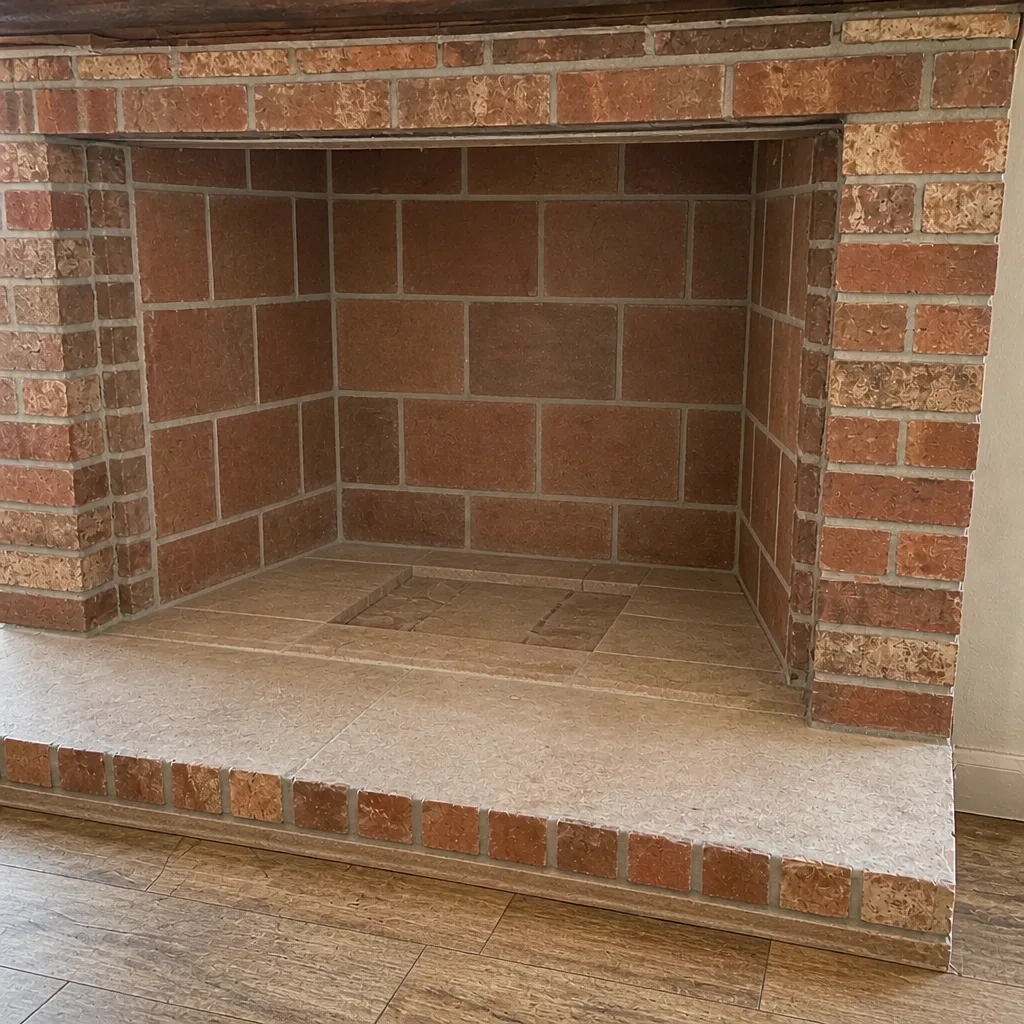
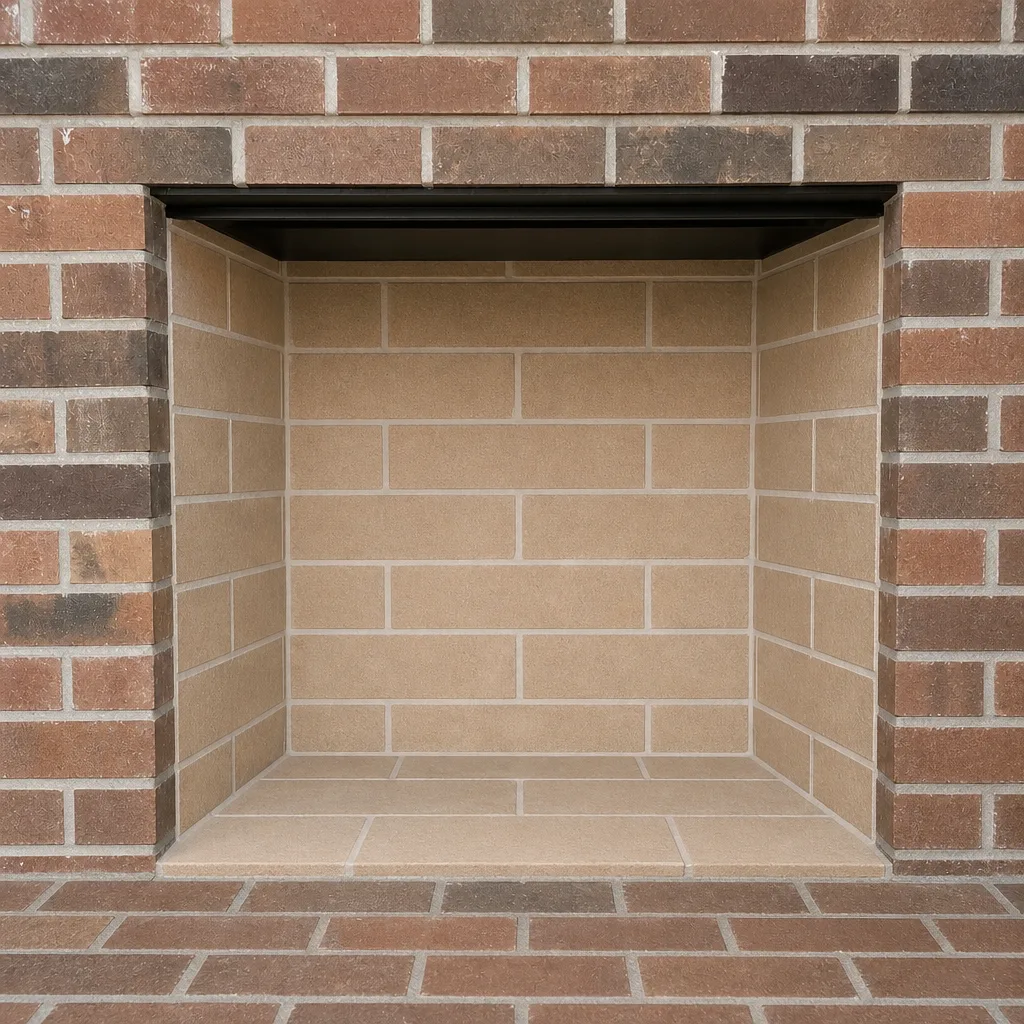
See the difference
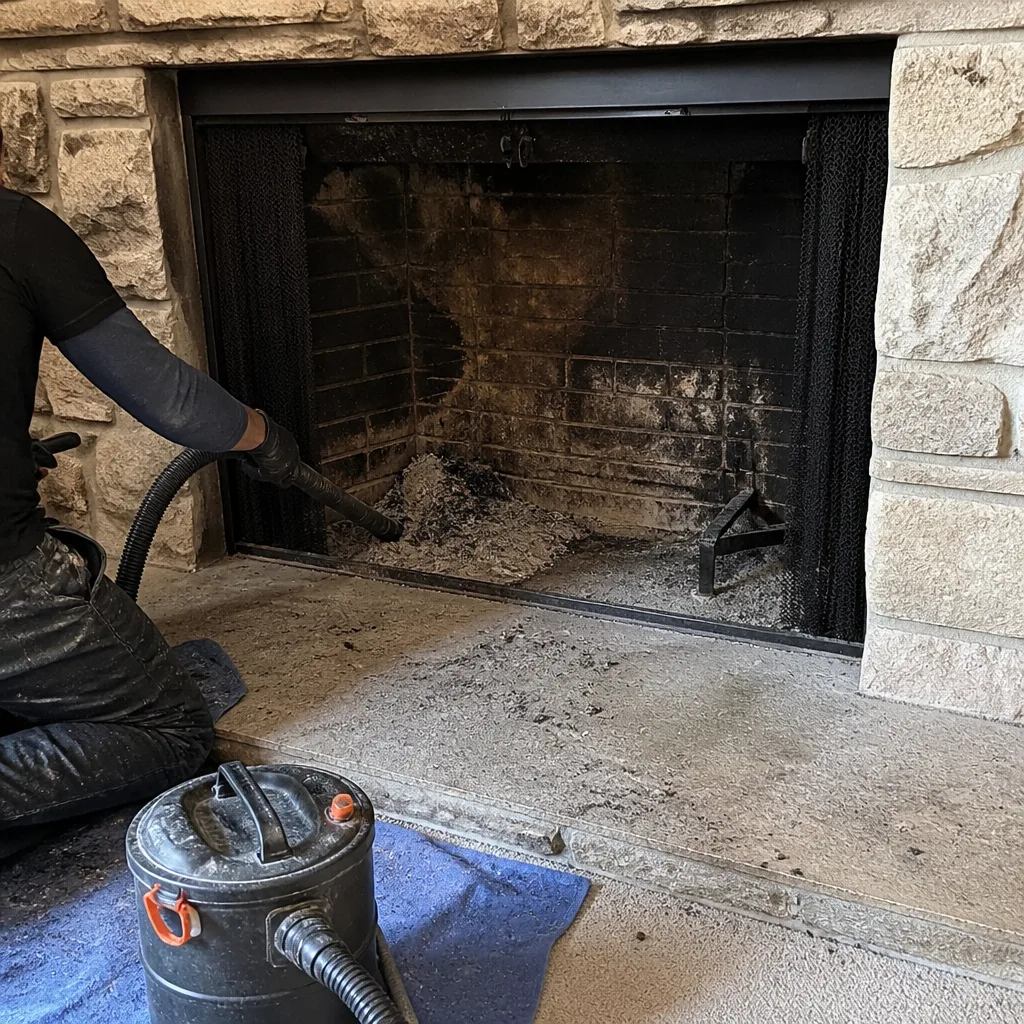 Before
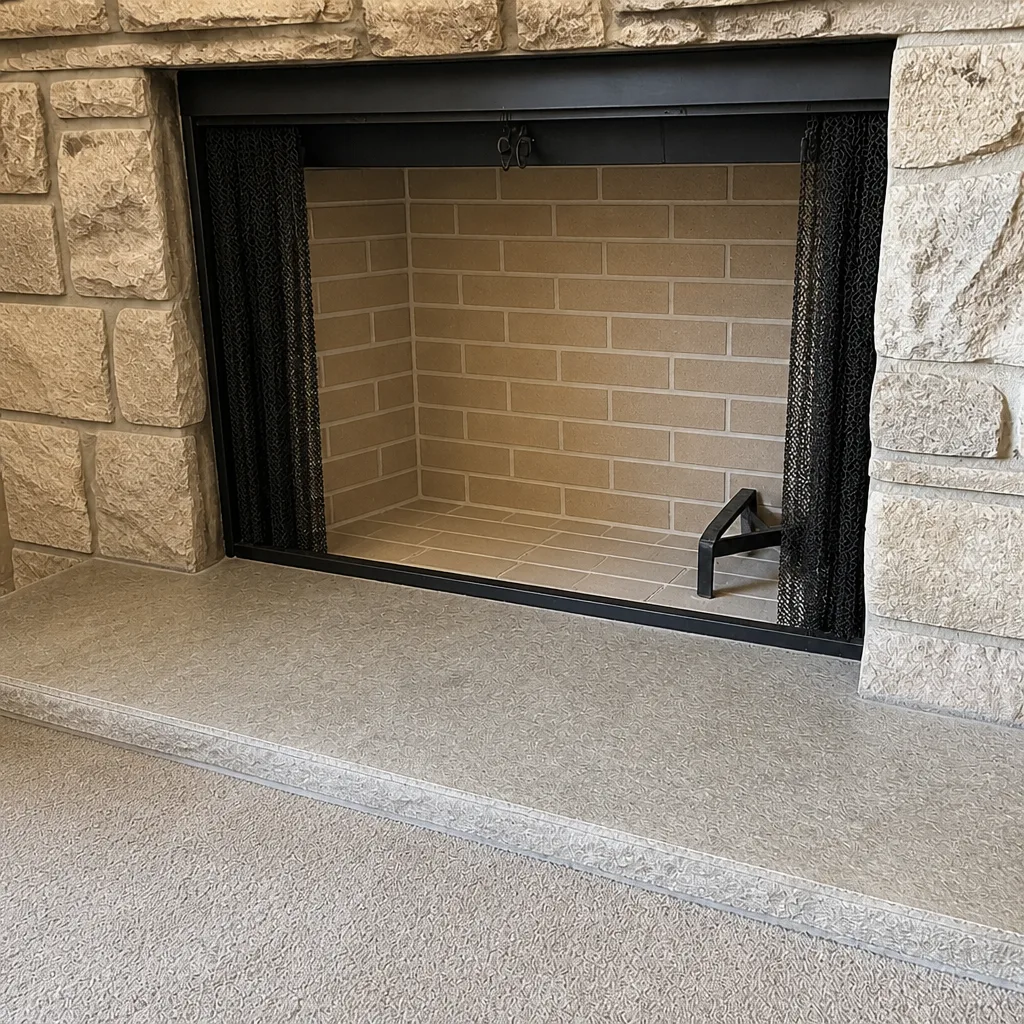 After
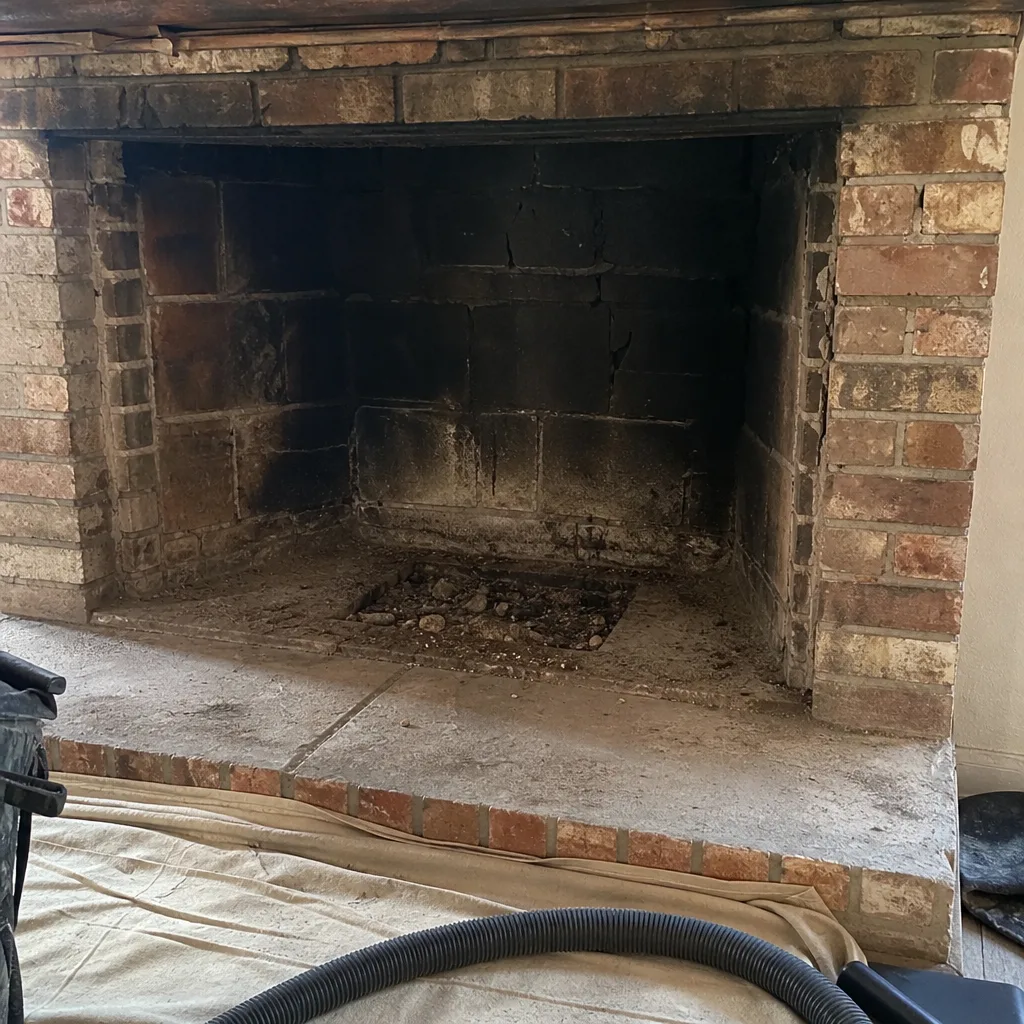 Before
 After
 Before
 After
When to Call a Professional
Call a professional when you see any stop-use sign from the list above, when you’ve had a chimney fire, when you see white staining on the masonry, when you smell smoke in a room where there’s no fire, or when you haven’t had an inspection in the last year and you use the fireplace regularly. Call if you’re unsure which category a warning sign falls into – that’s a judgment call and a technician can make it with a camera in a few minutes. Centennial Chimney Sweep Pros offers free estimates in Centennial – call (866) 589-5349. We answer 24/7. Fast dispatch from 7am to 7pm, Sunday through Friday. The written estimate sets the final price, and the camera report means you can see what we saw before you decide anything.
Frequently Asked Questions
The earliest signs are usually visible from the firebox opening and the exterior. Light soot deposits, a slow-starting fire, and a faint cold-fireplace odor are the early notices. White staining on the exterior masonry and a rust line on the damper are next, and they point to water entry. A smoke smell in a room without a fire is a pressure-failure sign that deserves a professional look even if everything else looks clean.
Normal fireplace odor is faint, only in the fireplace room, and fades once the fireplace is burning. A problem smell appears when the fire is out, or appears in a room that doesn’t have a fireplace in it. A sulfur or hot-tar smell is a stop-use situation. If you can’t tell the difference, have it looked at – the difference matters.
The staining itself is harmless, but the water that produced it isn’t. Efflorescence tells you water is moving through the masonry and evaporating on the surface. The location is the clue: near the top, look at the crown and cap; along the mortar joints, look at the masonry itself; inside the firebox, look at the liner and flue. Find the source before sealing anything, because sealing wet brick traps the moisture in.
Smoke rollout is a pressure failure, and in Centennial there are three common causes. First, wind off the Front Range, which can reverse a marginal draft on gusty days. Second, elevation, which means a flue that drafts fine at lower altitude is marginal here and needs more height to work. Third, tight modern construction, where exhaust fans and dryer vents out-compete the chimney for air. The fix depends on which one is happening, so a camera inspection with a draft test is the right next step.
It depends. A fire in a clean chimney with light second-stage creosote on the firebox floor is usually okay to use carefully, but it needs a sweep. Third-stage glazed creosote is different: it’s a stop-use situation because it ignites at lower temperatures. If you can see a shiny, glassy or puffed layer inside the firebox, don’t light a fire until it’s been assessed. Call (866) 589-5349 for an exact answer – estimates are free.
Often no. HeatShield liner restoration lets us renew a deteriorating flue liner without a full tear-out, which is the right solution for many older chimneys. The determination comes from the camera inspection: the extent and location of the damage set the repair. If a full replacement is genuinely needed, we’ll tell you, and we’ll show you the pictures that justify it.
The Bottom Line
The warning signs that matter most are the ones you can catch early: first-stage vs. third-stage creosote, white staining that points to water entry, smoke smell in a room you’re not heating, and the draft problems that come from Centennial’s wind and elevation. Get those early signs looked at, and the big repairs usually don’t happen. Ignore them, and the sign that finally gets your attention is usually the expensive one. Your chimney is a system, and the fix should address the cause, not just the symptom. If you’re ready to have it checked, or you’re just not sure what you’re seeing, call us.
Call Centennial Chimney Sweep Pros at (866) 589-5349 for a free estimate. We answer 24/7. Fast dispatch from 7am to 7pm, Sunday through Friday. Our technicians have up to 8 years of experience, and every job includes a camera inspection and a photo report you can review for yourself. Visit Centennial Chimney Sweep Pros to see the full scope of what we handle, from your first sweep to structural repair.
Written by the team at Centennial Chimney Sweep Pros.