
Last updated November 23, 2026
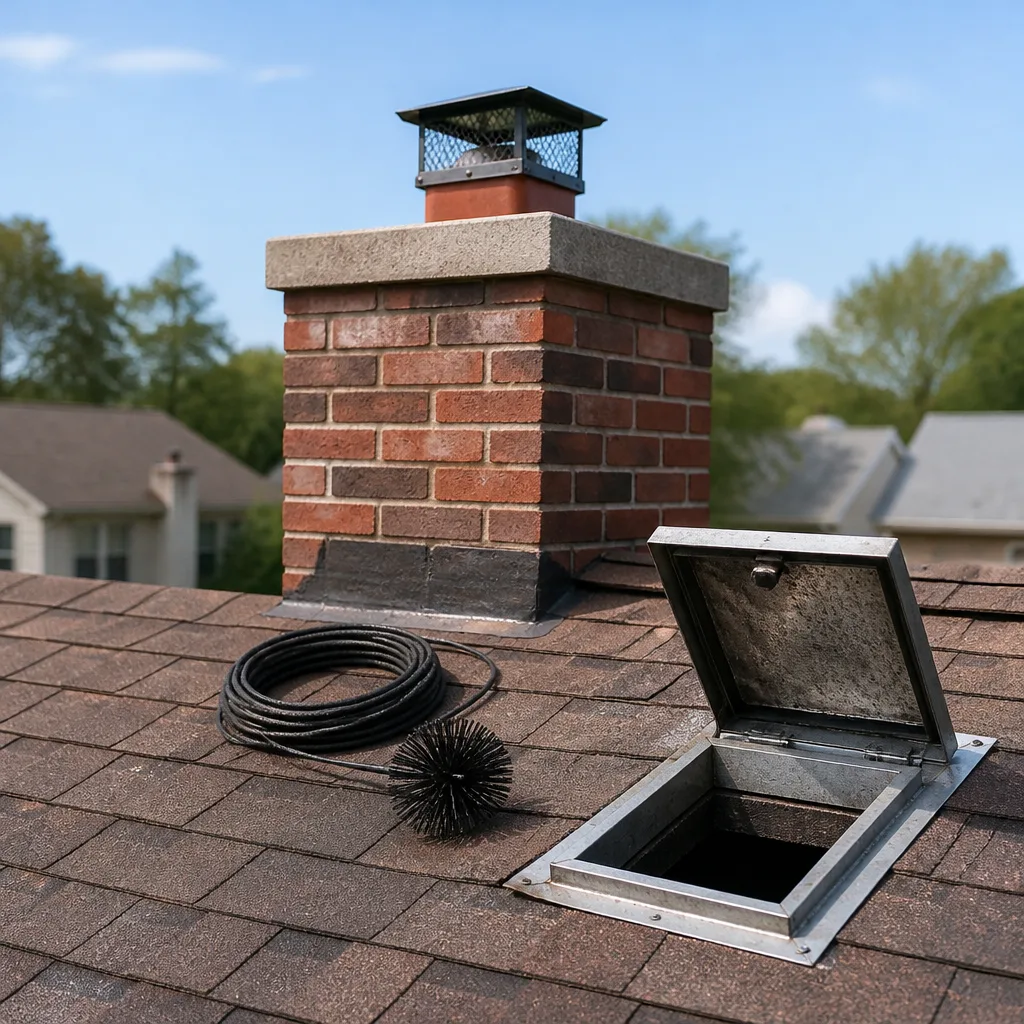 Sweep & inspection
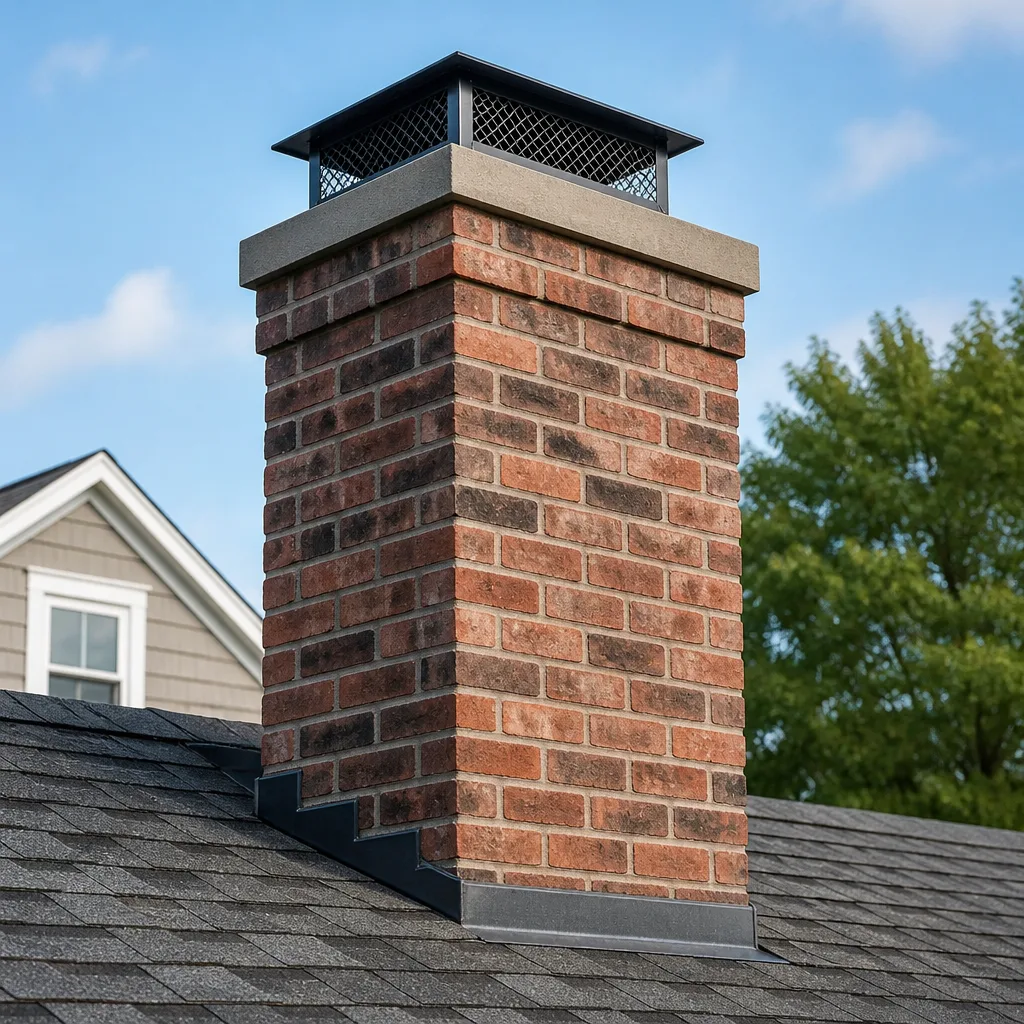 Caps & crowns
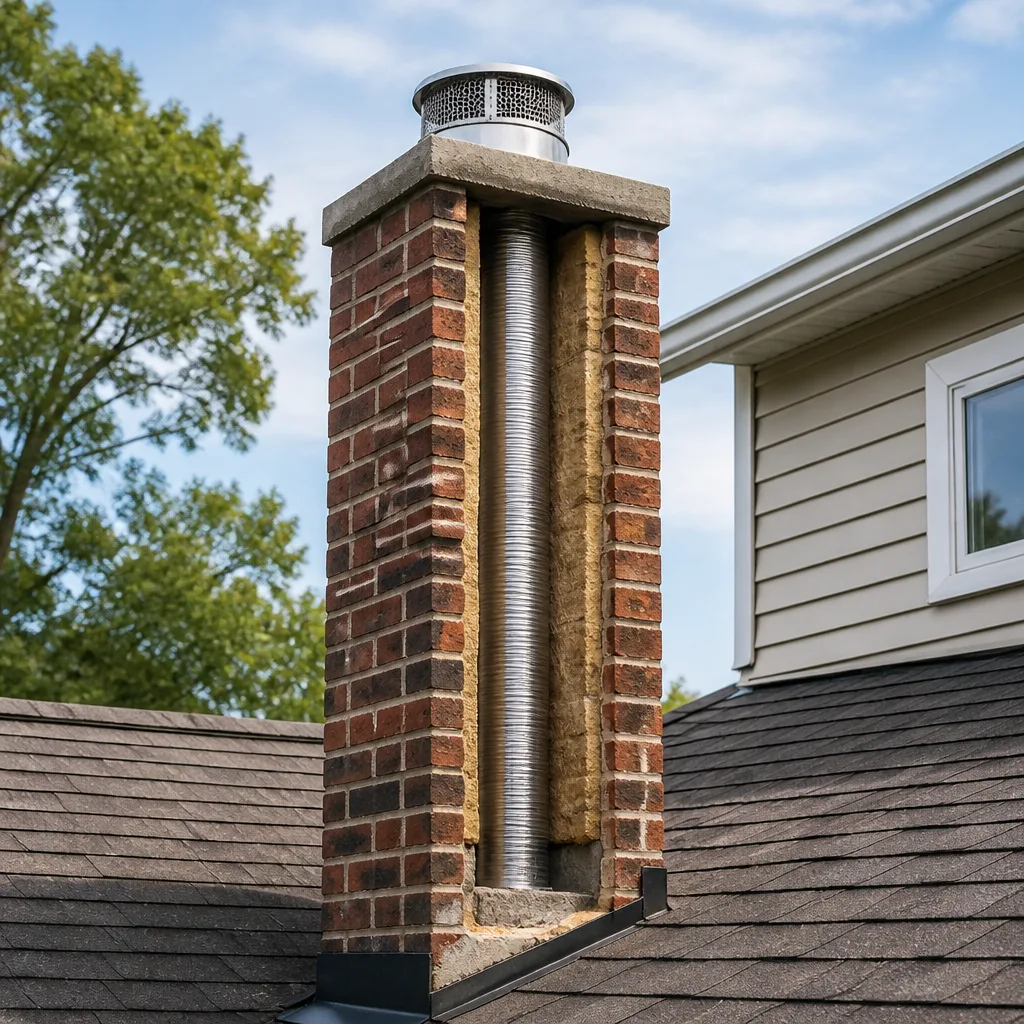 Flue relining
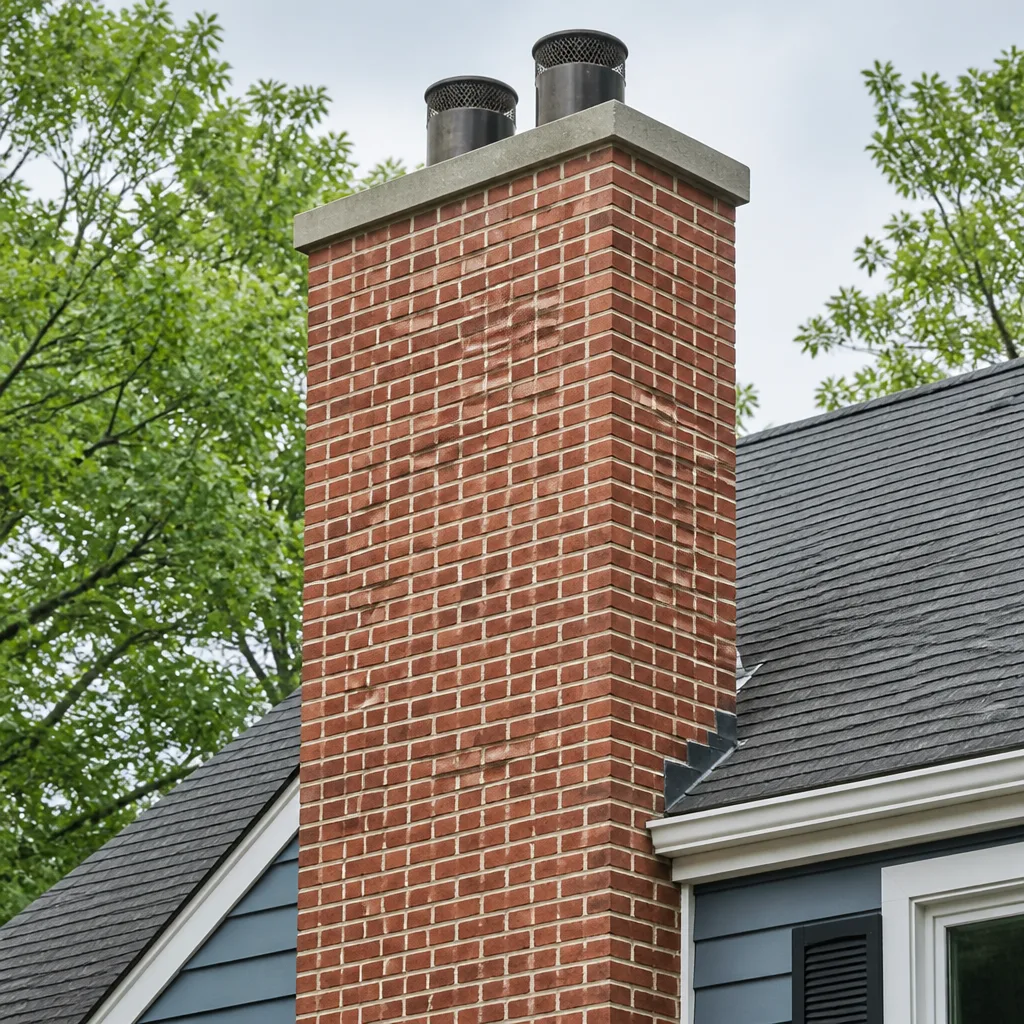 Masonry repair
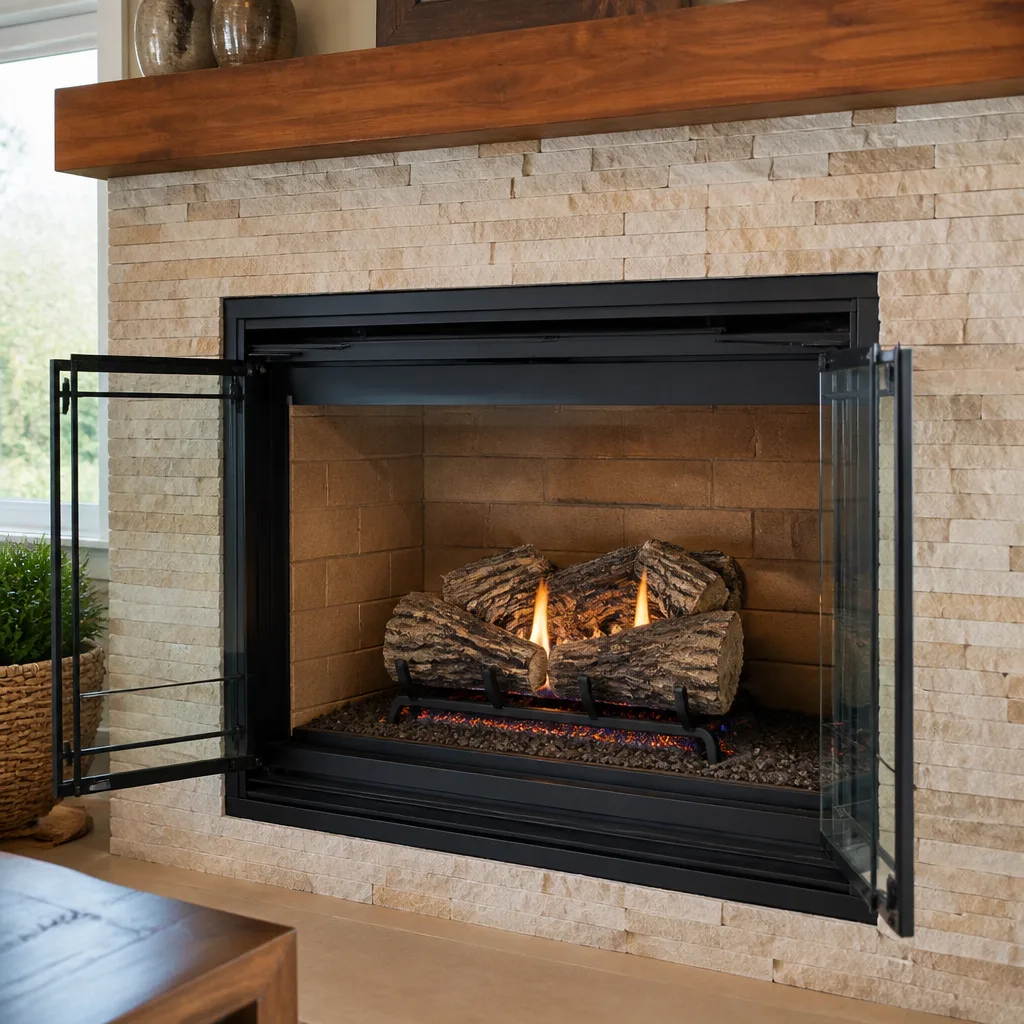 Gas fireplace service
Level 1 sweep and inspection to the NFPA 211 annual standard - flue, crown, cap, and flashing checked and photographed
Chimney sweep logs do not sweep chimneys. They loosen some creosote - which then falls where a brush and vacuum still have to collect it.
How to Hire a Chimney Cleaning Contractor in Centennial: A Step-by-Step Guide
Colorado does not require a state license to sweep a chimney. That surprises most homeowners, and it should. It means the person working inside your flue could have zero formal training, and you’d have no way to know unless you asked the right questions before signing anything. A chimney sweep in Centennial can be a seasoned specialist with verifiable credentials or a seasonal operator with a brush and a door-hanger, and the two can look identical from your front step. This guide gives you the questions, documents, and red flags to tell them apart before anyone climbs on your roof.
Quick Answer
To hire a chimney cleaning contractor in Centennial, verify third-party credentials (CSIA Certified Chimney Sweep and NFI certification) directly on the issuing organization’s website rather than taking a contractor’s word, insist on a written scope of work before any work begins, and require a post-sweep report with timestamped photos. Choose a chimney-only specialist over a general handyman, because liner, smoke chamber, and crown work require trade-specific tools and materials a generalist won’t carry.
Styles & brands we work with
- Sweep & inspection
- Caps & crowns
- Flue relining
- Masonry repair
- Gas fireplace service
Table of Contents
- Why Hiring a Chimney Contractor in Centennial Is Harder Than It Looks
- The Certifications That Actually Matter (and How to Verify Them)
- Red Flags Specific to the Centennial Market
- What a Legitimate Written Estimate Must Include
- How to Evaluate Before-and-After Documentation
- Chimney Specialist vs. General Handyman: Why It Matters Structurally
- 12 Questions to Ask Before You Book
- What Centennial’s Climate Does to Your Chimney
Why Hiring a Chimney Contractor in Centennial Is Harder Than It Looks
A chimney sweep is one of the few home service trades in Colorado that operates without a state-issued license. Electricians, plumbers, and roofers all have licensing boards. Chimney sweeps do not. That gap is filled partly by legitimate specialists and partly by seasonal operators who show up in the fall, sweep for cash, and disappear before the first hard freeze. For a Centennial homeowner, the burden of vetting falls entirely on you.
What makes this trickier is that chimney work looks simple from the outside. A brush goes down a flue, soot comes out, and the job appears done. In practice, the sweep is the easiest part. The real value is what a trained eye notices while he’s up there: a cracked crown letting meltwater into the masonry, a liner that’s spalling from years of acidic creosote, a smoke chamber that was never properly parged when the house was built. These are the findings that determine whether you spend a modest amount on maintenance or face a structural repair down the road.
We work with residential homeowners across Centennial, and the pattern we see most often isn’t a homeowner who hired the wrong sweep. It’s a homeowner who hired someone who only sweeps, then had to find a second contractor for the cap, a third for the liner, and a fourth for the crown. Your chimney is a system. Sweeping, inspection, cap and crown work, and liner repair all interact, and splitting them across four providers is how small problems become expensive ones. This guide walks you through hiring one contractor who can see the whole system, document what they find, and fix it correctly the first time.
The Certifications That Actually Matter (and How to Verify Them)
Two credentials carry real weight in this trade, and a contractor who claims them should be able to prove them in under a minute. The first is CSIA Certified Chimney Sweep, issued by the Chimney Safety Institute of America. It requires passing a written exam and staying current through continuing education. The second is NFI certification, issued by the National Fireplace Institute, which covers fireplace and venting knowledge. Together they signal a technician who has been tested on code, combustion, and venting, not just trained on the job by whoever hired him.
Here’s the part most homeowners miss: a certificate on a website proves nothing. Anyone can type “CSIA certified” into a page. Verification takes three steps.
- Ask for the technician’s name and certification number before the appointment is booked. A legitimate company will provide both without hesitation.
- Look the technician up on the issuing organization’s own website. The CSIA and NFI both maintain searchable directories of credentialed professionals. If the name doesn’t appear, the claim is false.
- Confirm the certification is current, not expired. Directories list status. An expired credential is not a credential.
Ask also whether the technician carries general liability insurance. A sweep working on your roof or inside your flue can damage shingles, flashing, or the liner itself. You want to know that damage is covered before anyone climbs up. Legitimate contractors carry insurance and provide a certificate on request. We connect Centennial homeowners with local professionals who are licensed and insured as their state requires, and we’d rather you ask twice than find out the hard way.
One more credential worth asking about: manufacturer authorization. We work with professional-grade product lines including DuraFlex, HeatShield, Gelco, and Olympia Chimney, and those authorizations mean the technician has been trained on the specific materials being installed in your chimney. A sweep who has never worked with HeatShield restoration, for example, cannot offer it. Trade-level product knowledge shows up in the questions a contractor asks you, not in the slogans on their truck.
Red Flags Specific to the Centennial Market
Some warning signs are universal. Others show up disproportionately in the south Denver metro, where a large stock of homes built in the 1980s and 1990s is now reaching the age where crowns crack and liners deteriorate. Here’s what to watch for in Centennial specifically.
- Door-hangers quoting a flat $49 special. A sweep cannot be done correctly for the price of a pizza. That number buys a brush down the flue with no inspection, no camera, and no report. The real cost appears later as an upcharge or a diagnosis of work you can’t verify.
- No written scope of work. If a contractor won’t put on paper what they’ll do, what they’ll inspect, and what’s excluded, there is no agreement to hold them to. Verbal promises are not a scope.
- Refusal to provide a post-sweep report. A professional sweep documents what he found with photos and notes. A sweep who leaves without a report has given you no way to know whether the job was done or what condition your chimney is in.
- Diagnosis without evidence. If someone tells you the liner is shot but won’t show you a camera image, that’s a sales pitch, not an inspection. Nothing should be recommended without camera evidence you can see for yourself.
- Pressure to decide today. Chimney problems are rarely emergencies. A contractor who insists the work must be done immediately, before you’ve had a chance to read the estimate, is selling, not advising.
- Cash-only and no paperwork. Legitimate work comes with an invoice, a warranty, and a paper trail. Cash-only with no receipt is a sign the operator is not set up to stand behind the work.
One nuance worth adding: a contractor recommending work is not automatically a red flag. The question is whether the recommendation comes with evidence. Our rule is simple. We tell you what we find, and we fix it. If the chimney can safely wait until next season, we say so.
What a Legitimate Written Estimate Must Include
A written estimate is not a price on a napkin. It’s a document that defines the job, locks the scope, and tells you what triggers additional cost. If any of the following elements is missing, ask for it before you sign.
- Scope of work. What will be swept, what will be inspected, and what is excluded. “Chimney sweep” is not a scope. “Sweep flue, inspect firebox, smoke chamber, damper, crown, and cap; provide photo report” is.
- Materials specified by brand and grade. If a liner is being replaced, the estimate should name the product, not just “stainless liner.” DuraFlex and Olympia Chimney both make professional-grade products, and the grade matters. A vague material line is where cheap substitutes slip in.
- Warranty terms. What’s covered, for how long, and by whom. Get this in writing on the estimate, not in a verbal promise.
- What triggers additional cost. If the sweep finds a cracked crown or a damaged damper, what happens to the price? A good estimate states the conditions under which the price changes and how the change is approved before work continues.
- Permit and inspection responsibility. Most cities require a permit for structural chimney work, so ask your city’s building department what applies to your job and confirm who is responsible for pulling it. Get that in the estimate.
- A written price that sets the final bill. The price should be per job and fixed at the estimate, not a range with an open end.
Here’s a rough sense of typical ranges so you can spot an outlier. A standard chimney sweep in the Centennial area usually runs in the low-to-mid hundreds, depending on the flue’s condition and access. Cap and crown work often falls in the mid hundreds to low thousands depending on the crown’s size and the masonry involved. Liner replacement is the largest line item and varies substantially with flue length and material. Treat all of these as estimates, not quotes. The written estimate for your specific job sets the final price. And if you’re comparing sweep-only prices against a full-service estimate, make sure you’re comparing like for like: inspection, camera, and report included, not stripped out to reach a lower number.
How to Evaluate Before-and-After Documentation
Photos are the only way a homeowner can independently judge a chimney’s condition. Verbal assurances like “the liner looks great up there” are worth nothing, and a contractor who offers nothing but words is asking you to trust without evidence. Real documentation has specific qualities, and they’re easy to check.
- Look for timestamps. Photos taken before and after the work should carry file metadata that shows when they were captured. Timestamps are hard to fake and easy to verify.
- Confirm the photos show your chimney, not a generic one. The flue, firebox, and crown should match what you can see from the ground or the hearth. Ask for a photo that includes a recognizable landmark if you’re unsure.
- Ask for camera footage of the liner. A chimney camera inspection shows the inside of the flue. If a contractor recommends liner work, ask to see the footage before anyone touches a brush or a drill.
- Get a written report, not just photos. The report should describe the findings in plain language: what was swept, what was inspected, what’s in good shape, what needs attention, and what can wait.
This documentary standard exists for a reason. When a sweep tells you the liner is deteriorating, you have no way of knowing whether the claim is accurate unless you’ve seen the footage yourself. We don’t recommend work without camera evidence the homeowner can review, and we’ll tell you plainly when a repair can safely wait until a later season. If a contractor resists showing you the evidence, that resistance is your answer. Call (866) 589-5349 for an exact quote. Estimates are free.
Chimney Specialist vs. General Handyman: Why It Matters Structurally
A general handyman can sweep a chimney. That’s about where the overlap ends. Liner work, smoke chamber parging, and crown repair are trade-specific tasks that require specialized tools and materials, and a generalist who hasn’t invested in them will either sub the work out or improvise. Improvisation inside a chimney is how a fix becomes a repair job.
Consider the smoke chamber, the sloped area above the damper. When it’s unparged or badly parged, the rough surface traps creosote, and the wrong material applied by the wrong hands can leave a layer that cracks and peels. Smoke chamber work has to be done with refractory-grade material applied to the chamber’s contours. Then there’s the crown, the concrete at the top of the chimney. A crown that was patched with the wrong mortar or a caulk-style product will crack again within a season or two. Correct crown repair means rebuilding the shape and slope so water sheds away from the flue. And liner work, whether it’s a new liner from manufacturers like DuraFlex or Olympia Chimney, or a HeatShield restoration that rehabilitates a deteriorating liner without full tear-out, depends on having both the products and the training to install them to spec. Most sweep-only companies don’t offer HeatShield restoration. That’s a technical capability that separates a full-scope specialist from a brush-and-vacuum operation.
We’re a chimney-only company, not a general contractor. Our technicians have up to 8 years of experience, and the whole scope, from sweep to structural repair, sits inside one team, with no subcontracting and no hand-offs. That matters for a Centennial homeowner because a chimney is not a series of unrelated parts. A failed cap lets water in, water cracks the crown, the crack lets water into the masonry, and the liner starts to spall. Fix the liner and skip the cap, and you’ll be back inside the flue the following year. Start with a chimney sweep and an inspection, then address the cap and crown, and treat liner restoration as part of the same document. Single-company accountability from inspection through repair is the whole point.
12 Questions to Ask Before You Book
These are the questions we’d want answered before anyone worked on our own chimneys. Ask them in order. A legitimate specialist will answer all twelve without hesitating, and how they answer tells you as much as the answers themselves.
- Are you CSIA Certified Chimney Sweep, and what is the certification number?
- Does the technician coming to my home hold NFI certification?
- Are you insured, and can you provide a certificate of insurance?
- Will I receive a written scope of work before the appointment?
- Does the service include an inspection, or is it sweep-only?
- Will I get a camera inspection of the liner?
- Will I receive a written report with timestamped photos?
- What materials do you use for liner and crown work, and can you name the brands?
- Do you perform smoke chamber parging and structural chimney repair, or do you refer that out?
- What is included in the estimate, and what would trigger additional costs?
- Who is responsible for any permit my city requires?
- What are your warranty terms, and will they be on the written estimate?
Question nine is the one that separates a full-scope company from a sweep-only outfit. If the answer is “we’d refer that to another contractor,” you now know your liner or crown work will be handled by someone the first company can’t vouch for. That’s where single-company accountability becomes a real rather than rhetorical advantage. From sweep to structural repair, one team owns the diagnosis and the fix.
What Centennial’s Climate Does to Your Chimney
Centennial sits at elevation along the Front Range, and that setting gives the local housing stock a specific pattern of chimney problems. The freeze-thaw cycle is the big one. Water gets into masonry cracks during a warm afternoon, then refreezes overnight, expands, and widens the crack. Repeat that across a winter and a hairline crack in a crown becomes a structural issue. This is why crown repair and a properly fitted cap matter more in Centennial than in a milder climate. The cap keeps water out; the crown sheds it. Skip either and the freeze-thaw cycle does the rest.
Burning season here is long. Many Centennial homeowners burn from October into March, and a fireplace that gets regular use accumulates creosote faster than one that gets lit a few times a year. Creosote is the reason chimney sweeping exists. It’s the residue left when wood smoke cools on the flue walls, and it can ignite. A clean flue and a properly sized liner are the two things that keep a chimney fire from having fuel and a path. That’s not a scare tactic, it’s the reason maintenance is scheduled rather than improvised. Get the sweep booked before the burning season starts and you’ll know exactly what condition your chimney is in when you need it.
Carbon monoxide is the other reason to keep up with maintenance. A blocked or damaged flue can send combustion gases into the living space instead of up and out. If you don’t have a carbon monoxide alarm on every level of your home, that’s a separate fix worth making, but it doesn’t replace a chimney inspection. A working alarm tells you there’s a problem. Regular inspection and sweeping prevent one. And structurally, this is why the neighborhood build-out matters: much of Centennial’s housing stock reached the age where liners and crowns need attention at the same time, so a single inspection can surface more than one issue at once. That’s a good thing. One report, one scope, one team to handle it.
Common Mistakes to Avoid
- Hiring the first door-hanger that shows up. A flat special in the fall is often a loss leader for an upsell. Ask for credentials and a written scope before you commit to anything.
- Accepting a verbal report. If you didn’t get a written report with photos, you have no way to evaluate the sweep or the diagnosis. Ask for it as part of the service, not an add-on.
- Approving liner work without camera evidence. You should see the footage yourself. A contractor who won’t show you the liner’s condition is asking you to buy a repair you can’t verify.
- Choosing a general handyman for liner or crown work. The tools and materials are trade-specific. A generalist who’s never installed a HeatShield restoration or a DuraFlex liner is not equipped to do it correctly.
- Skipping the cap and crown because “the sweep is what matters.” Your chimney is a system. Water is the biggest long-term enemy of Centennial masonry, and the cap and crown are what keep it out.
- Not checking the certification on the issuing organization’s site. A certificate on a website is not verification. Look the technician up in the CSIA or NFI directory.
- Treating a chimney inspection as an emergency when it isn’t. Most findings can wait for a scheduled job. If a contractor pressures you to sign today, ask why the urgency and get the evidence in the report first.
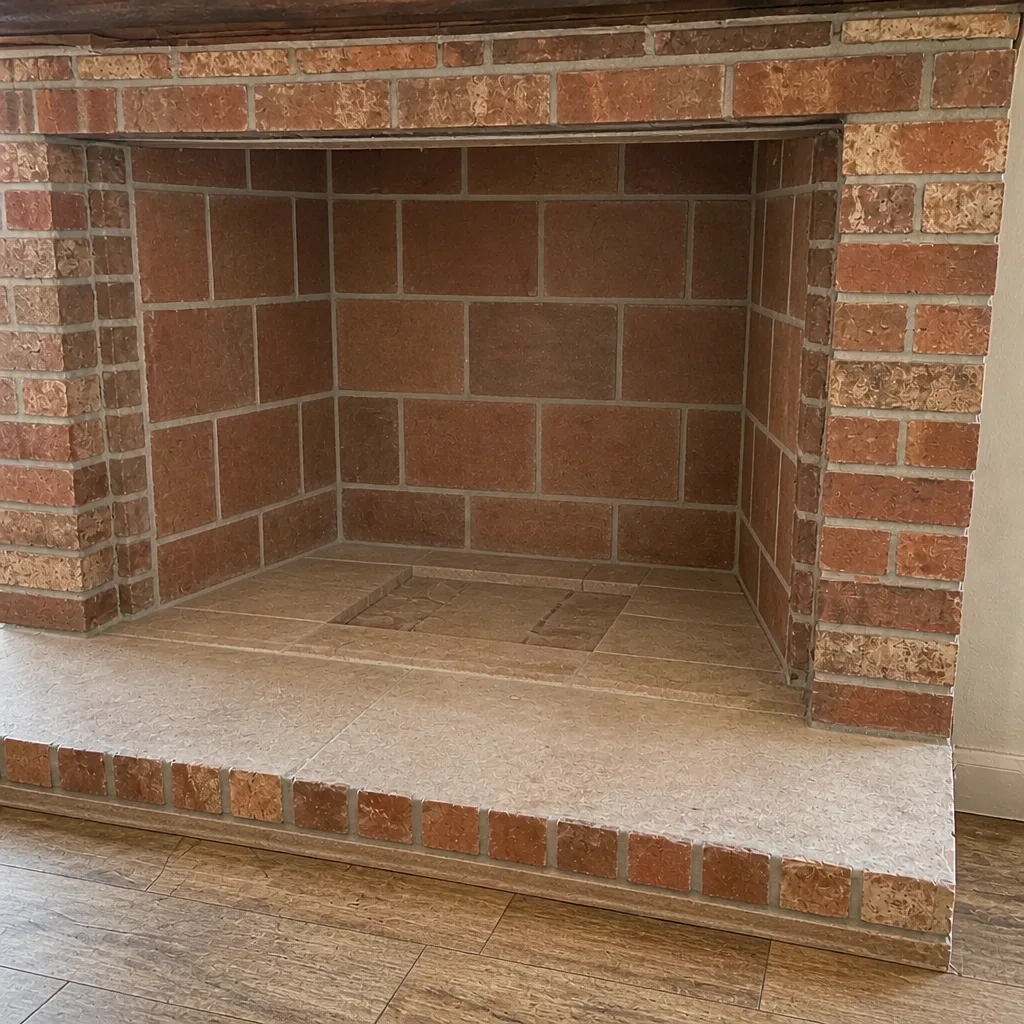
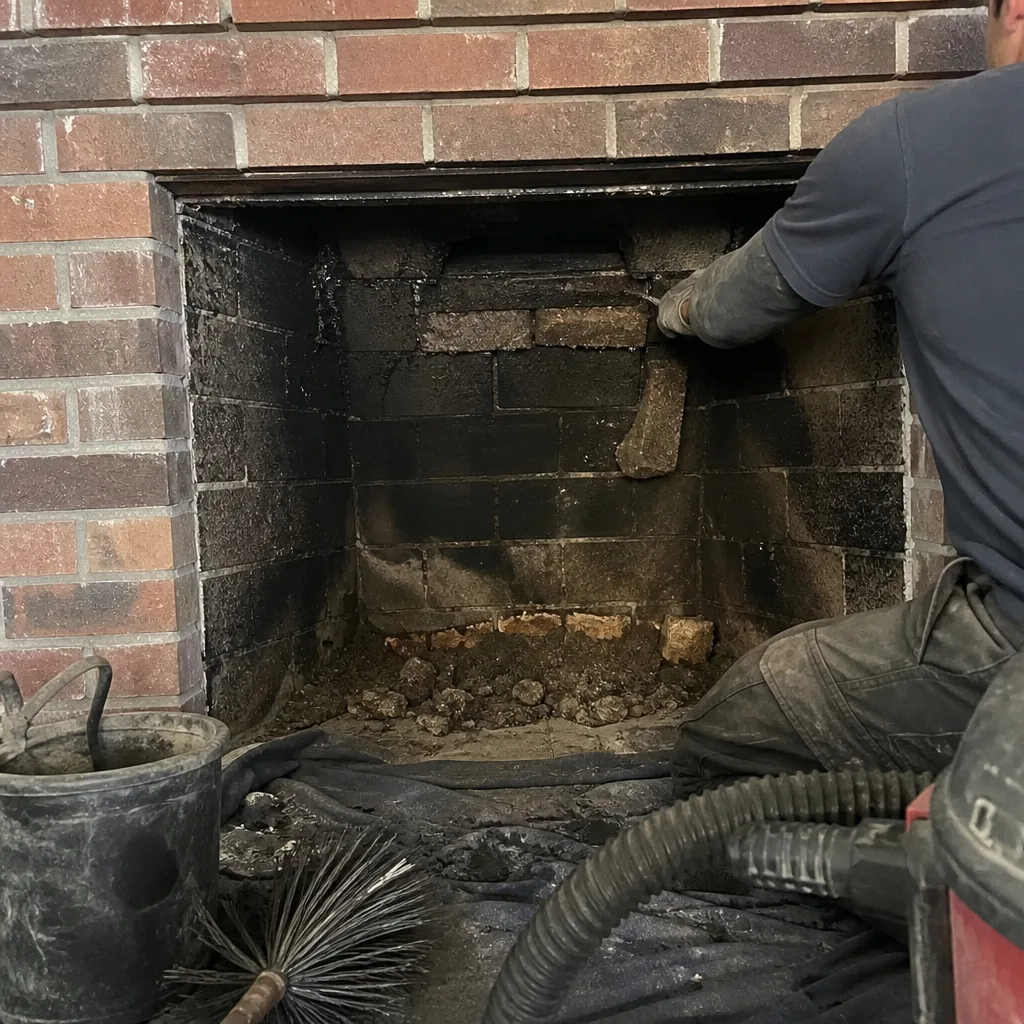
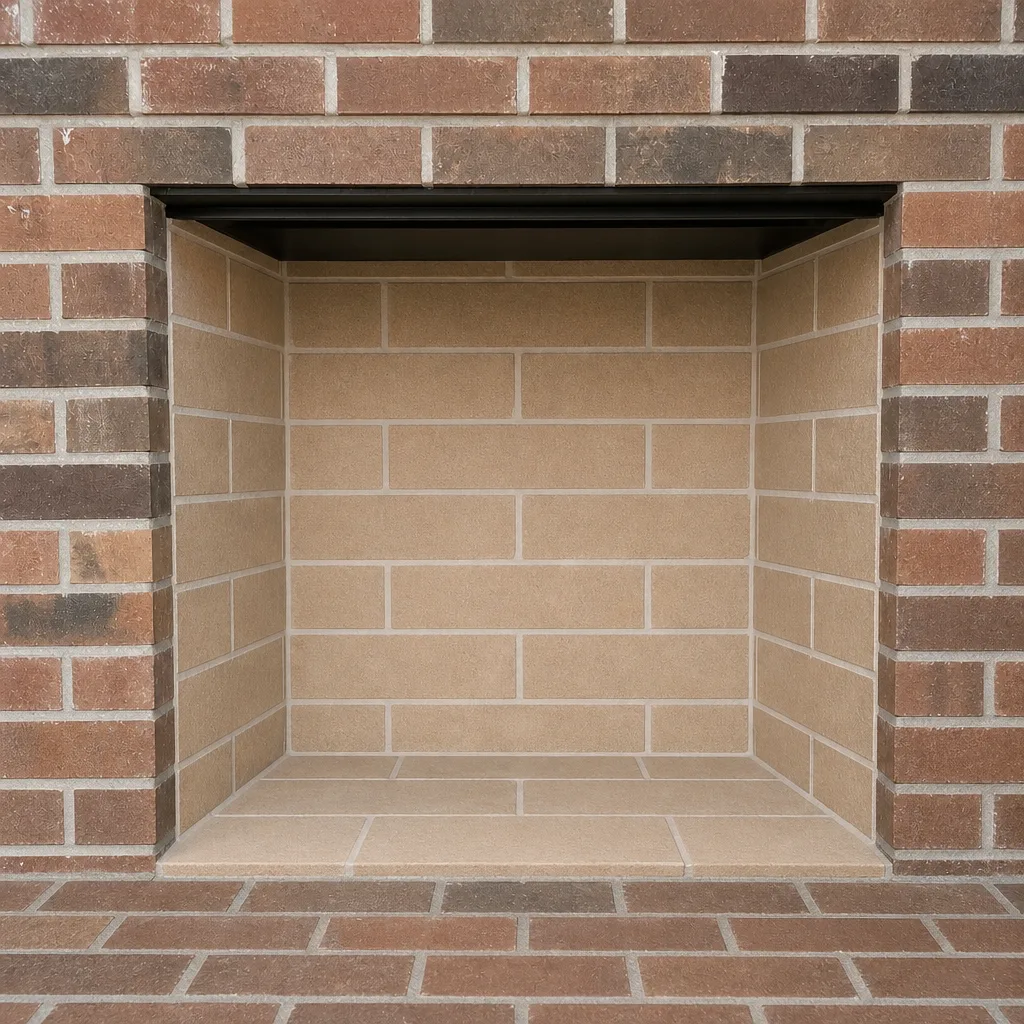
See the difference
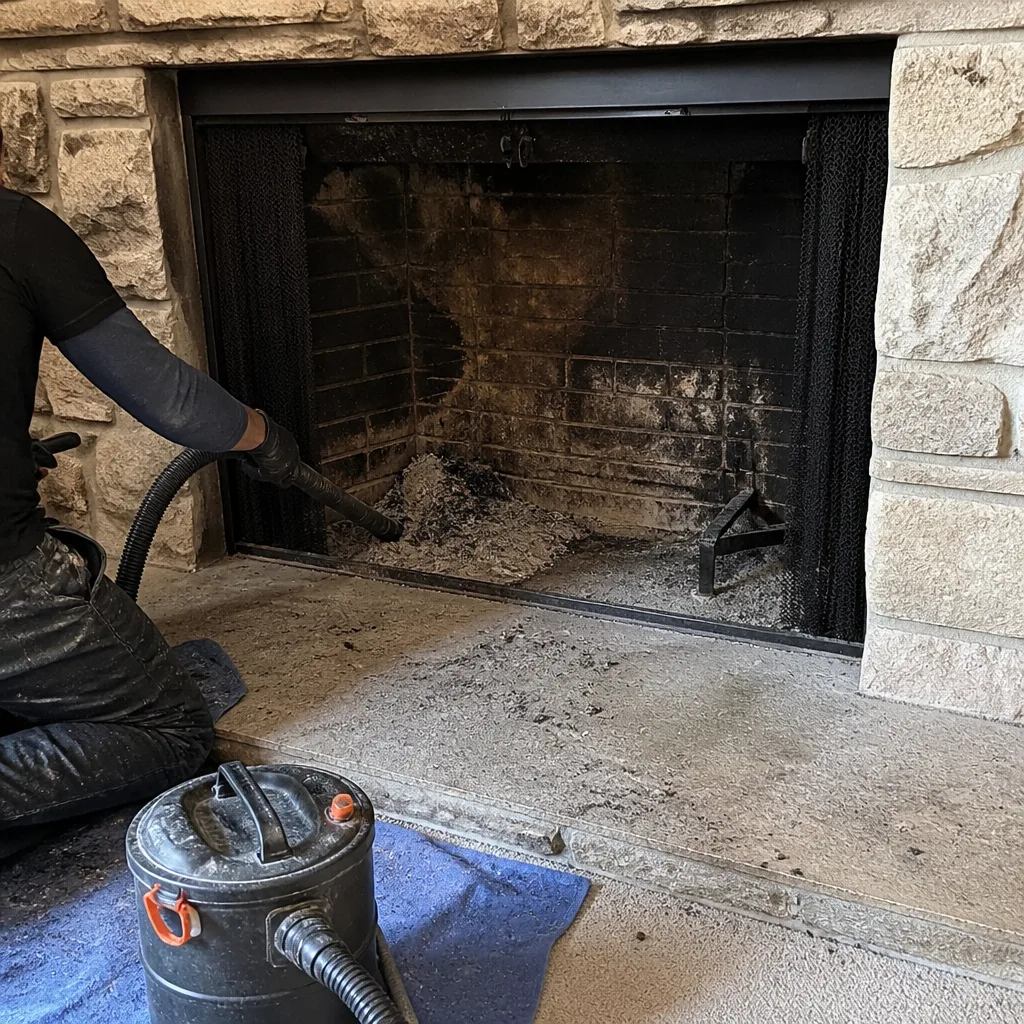 Before
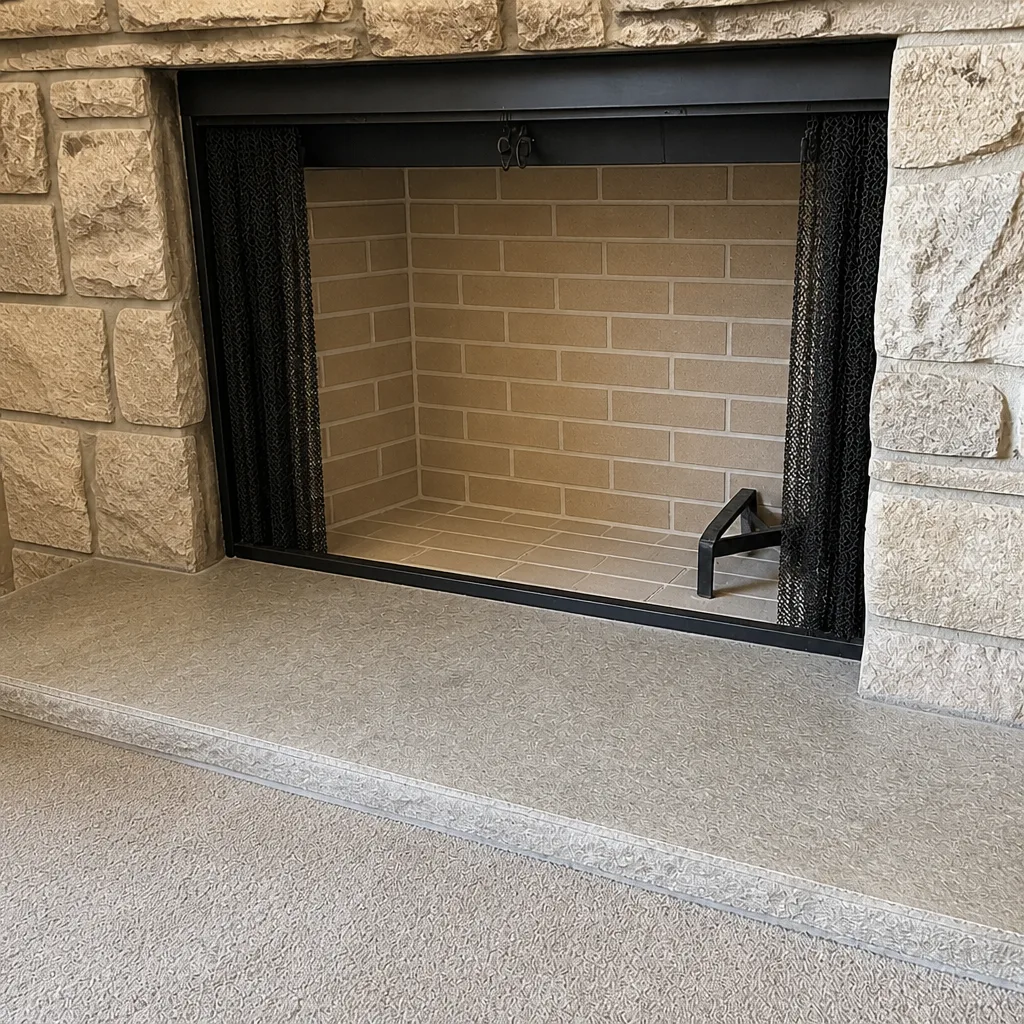 After
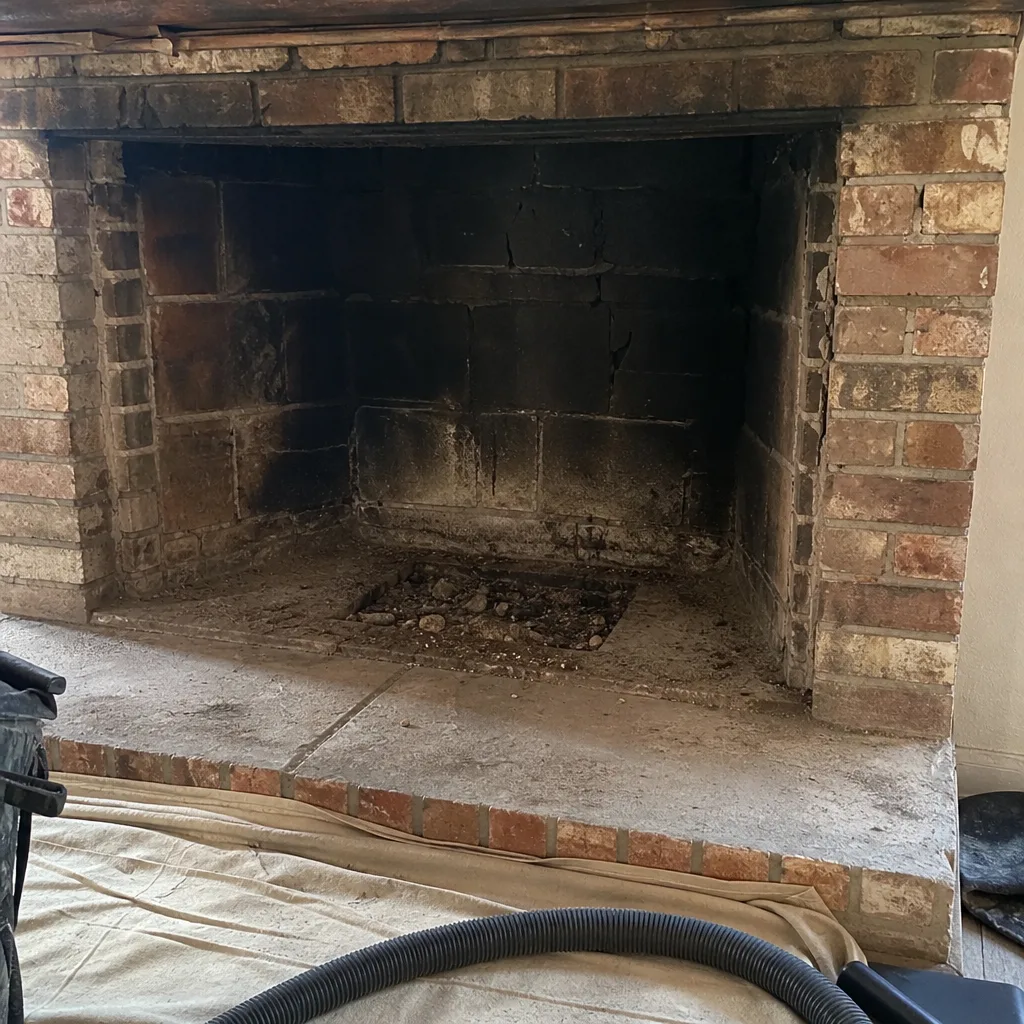 Before
 After
 Before
 After
When to Call a Professional
Call a professional if you’ve never had the chimney inspected, if it’s been more than a year of regular burning since the last sweep, or if you’re buying a Centennial home and want the chimney’s condition documented before closing. Call sooner if you smell smoke in the living space when the fire is lit, notice soot streaks around the firebox, or hear a crack or shift in the masonry. Call also if a previous sweep told you the liner needed work but never showed you the camera footage. You’re entitled to see the evidence. If you’re unsure, call and ask the question. A good contractor will tell you whether it’s worth a visit. If you’re tackling a broader project, start with a fireplace repair assessment and let the inspection guide the rest.
Centennial Chimney Sweep Pros offers free estimates in Centennial. Call (866) 589-5349 to book one. We answer 24/7. Fast dispatch from 7am to 7pm, Sunday through Friday, and we’re closed on Saturdays.
Frequently Asked Questions
A standard chimney sweep in Centennial typically falls in the low-to-mid hundreds, depending on the flue’s condition and roof access. A full-service visit that includes inspection, camera footage, and a written photo report usually prices higher than a sweep-only call. Treat any price as an estimate until you’ve seen the written scope, and remember the estimate for your specific job sets the final bill. Call (866) 589-5349 for an exact quote, and estimates are free.
No, Colorado does not require a state license to sweep a chimney. That’s why verifying third-party credentials matters more than checking a license. Ask for CSIA Certified Chimney Sweep and NFI status and verify each on the issuing organization’s own site. Also ask for the contractor’s certificate of insurance. Call (866) 589-5349 if you want to talk through the questions to ask.
Once a year during the burning season is the general guideline, and more often if you use the fireplace regularly. In Centennial, where many homes burn from October into March, an annual sweep before the season starts is the practical schedule. If you burn less, the sweep and inspection will tell you whether it can stretch out. A sweep is a booked service rather than an emergency, so plan it ahead of burning season.
You need it if the evidence shows it needs it, and no sooner. A cracked crown lets water into the masonry, and in Centennial’s freeze-thaw cycle that water widens the crack every winter. A deteriorating liner can let combustion gases escape and creosote accumulate. Neither should be addressed without camera evidence you can review for yourself. We don’t recommend work you can’t see the basis for, and we’ll say plainly when something can safely wait.
Because liner work, smoke chamber parging, and crown repair require trade-specific tools and materials a generalist won’t carry. Liner restoration with HeatShield, or liner installation with a DuraFlex or Olympia Chimney product, depends on the right products and the training to install them to spec. A specialist can assess and correct masonry and liner issues without referring you to a second contractor. Call (866) 589-5349 and we’ll walk you through what a full inspection covers.
Creosote builds up on the flue walls, and creosote can ignite, so an unswept flue raises chimney fire risk. A blocked or damaged flue can also send carbon monoxide into the living space instead of up and out. A carbon monoxide alarm helps detect the problem; a sweep and inspection help prevent it. If it’s been more than a year of burning, book a visit. Call (866) 589-5349 for an exact quote; estimates are free. Every sweep is booked, and the written estimate is agreed before we arrive.
A written estimate should contain the scope of work (including what’s excluded), the materials specified by brand and grade, the warranty terms, what triggers additional costs, and who is responsible for any permit your city requires. The price should be per job and fixed at the estimate. If any of those lines are missing, ask for them before you sign. Call (866) 589-5349 to see what a full-scope estimate looks like.
Yes, and you should. Ask for the chimney camera footage of the liner and timestamped photos of the flue, firebox, crown, and cap. The report should describe in plain language what’s in good shape, what needs attention, and what can wait. Any contractor who resists showing you the evidence is telling you something. If you want a visit that includes camera evidence and a written photo report, call (866) 589-5349.
The Bottom Line
Hiring a chimney contractor in Centennial comes down to three things: verifying credentials on the issuing organization’s own site, insisting on a written scope and a written report with timestamped evidence, and choosing a chimney-only specialist who can handle the whole system from chimney cap & crown work through liner restoration. A sweep is a booked service, not an emergency, and the urgency is seasonal: get it done before burning season. Every job we quote includes a flat-price sweep agreed before booking, and estimates are free. Learn more about Centennial Chimney Sweep Pros and call (866) 589-5349 to set one up.
Written by the team at Centennial Chimney Sweep Pros.