

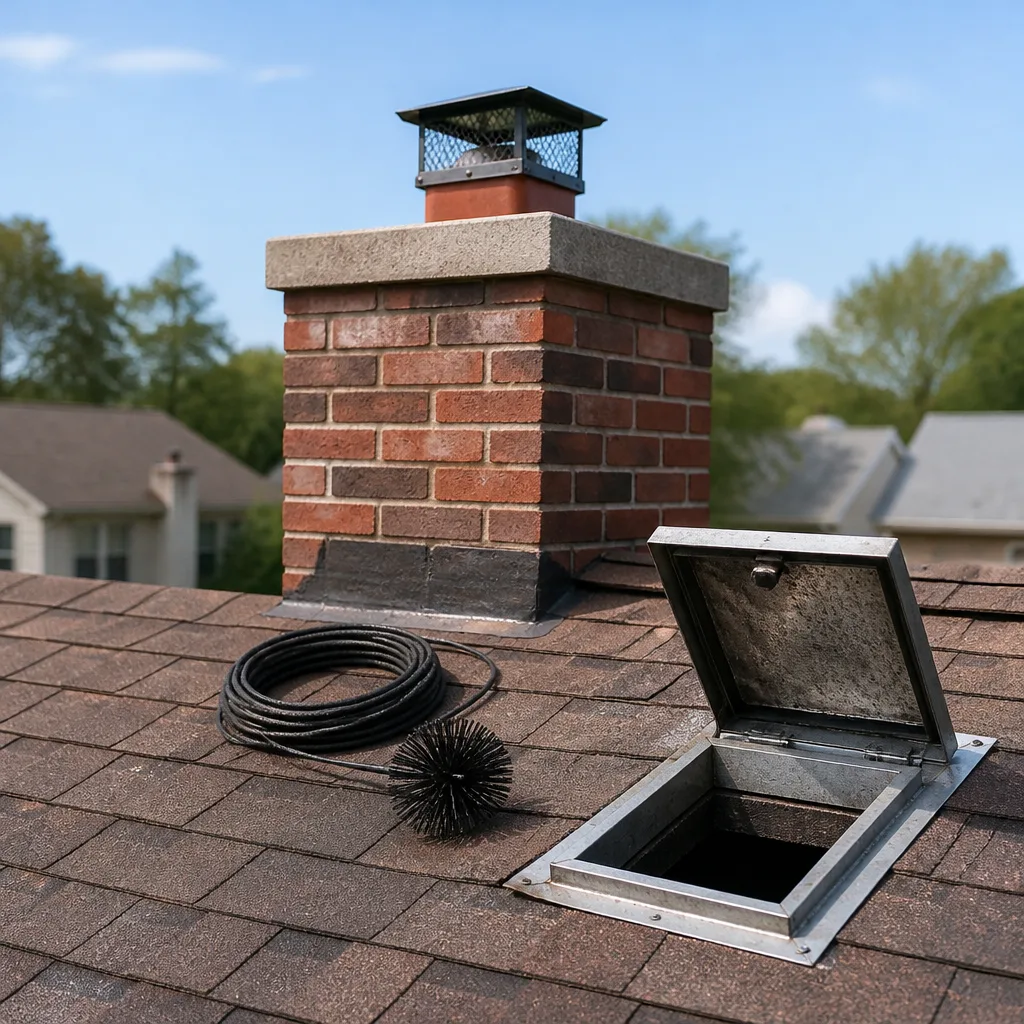
 Sweep & inspection
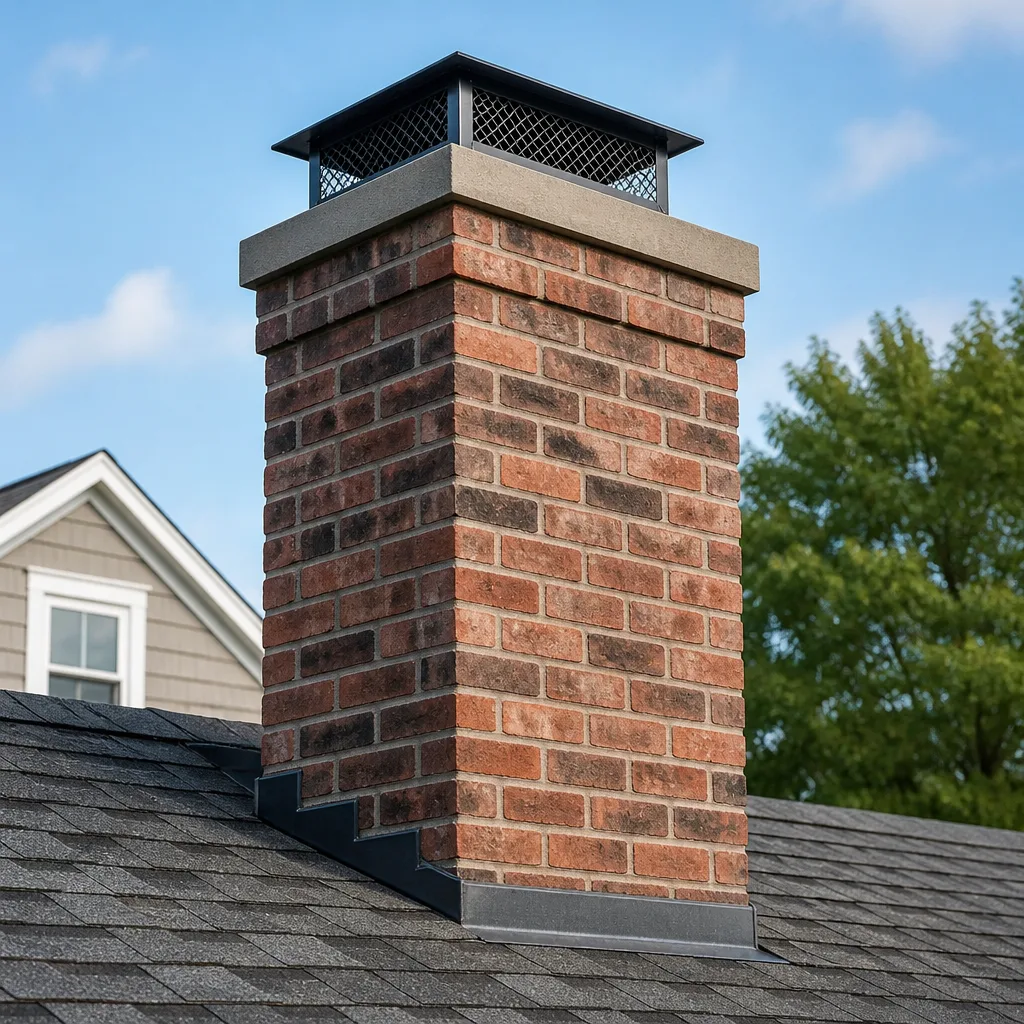 Caps & crowns
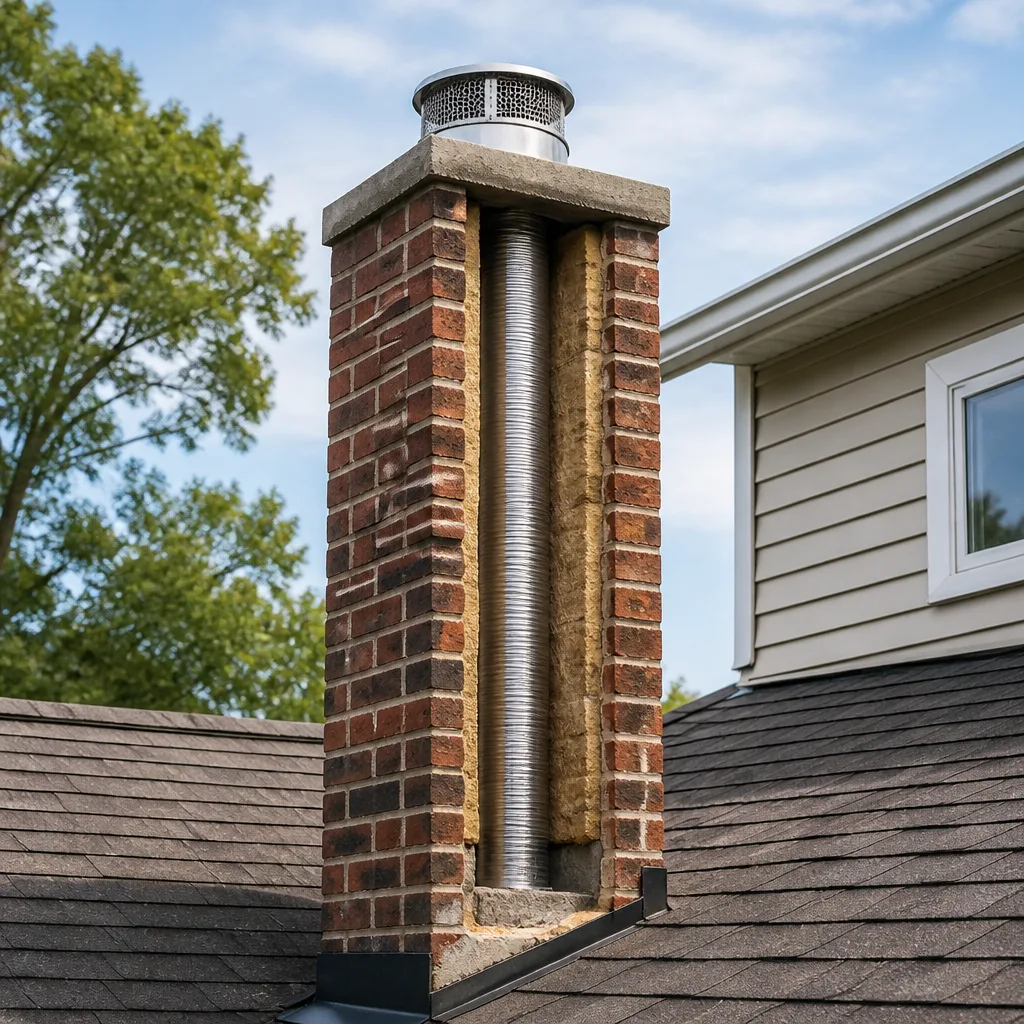 Flue relining
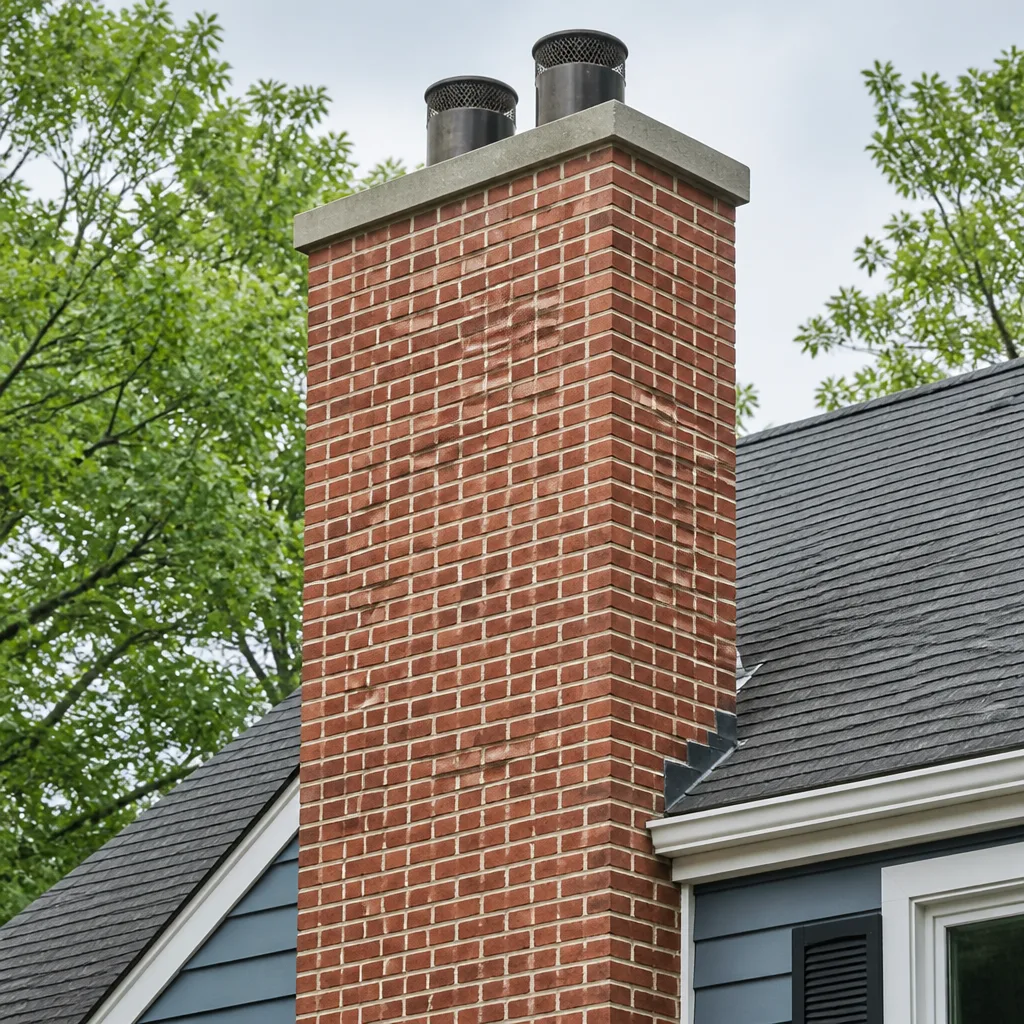 Masonry repair
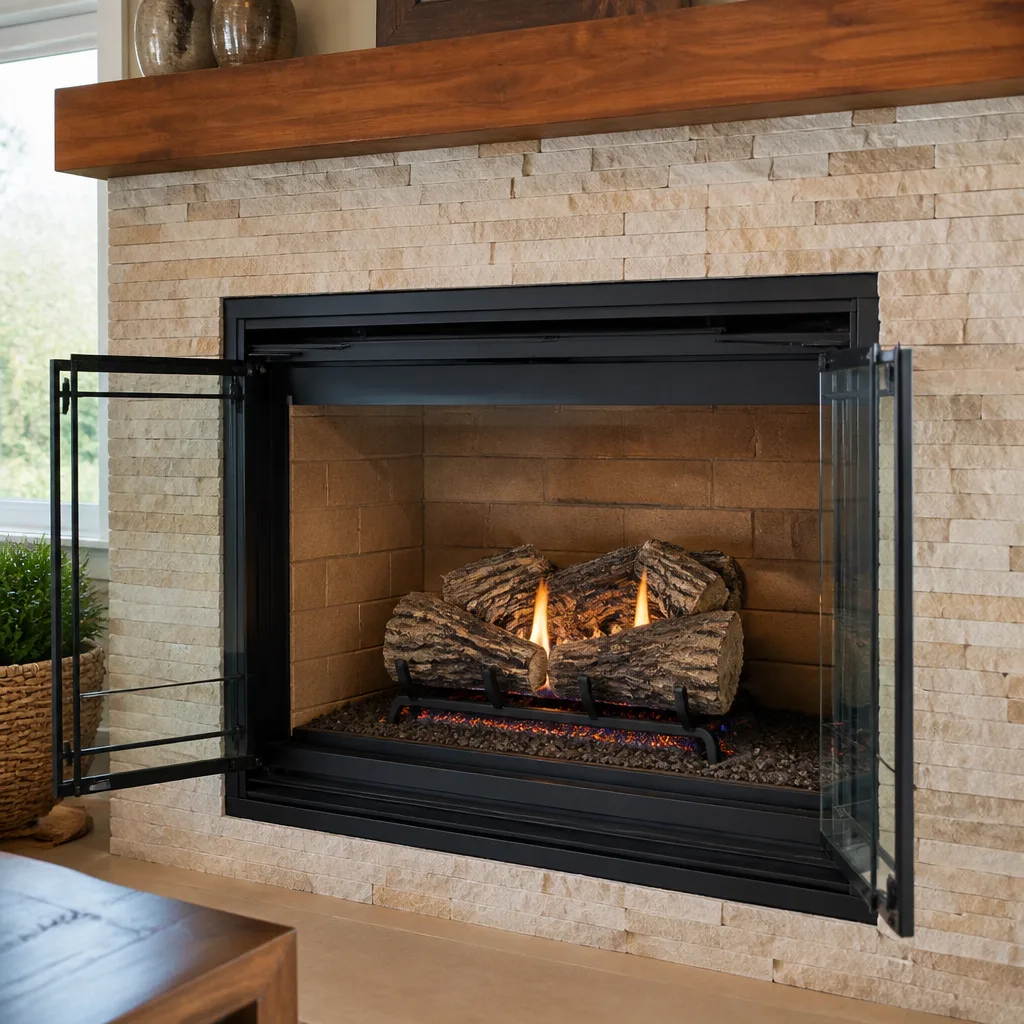 Gas fireplace service
Level 1 sweep and inspection to the NFPA 211 annual standard - flue, crown, cap, and flashing checked and photographed
Chimney sweep logs do not sweep chimneys. They loosen some creosote - which then falls where a brush and vacuum still have to collect it.
Fast, Reliable Chimney Repair Across Centennial
If your chimney is leaking, shedding brick, or venting a wood insert into a flue it was never designed for, the sooner it gets looked at, the better. We repair chimneys across Centennial, from the ranch and two-story tract homes in Foxridge and Willow Creek to the older masonry stacks in Cherry Knolls. Our technicians have up to 8 years of experience, and we treat every chimney as a system: flue, crown, flashing, masonry, all of it. Call (866) 589-5349. We answer 24/7. Fast dispatch from 7am to 7pm, Sunday through Friday.
Why Centennial Homeowners Call Centennial Chimney Sweep Pros for Chimney Repair
Most of Centennial’s housing went up between the 1960s and the 1990s, and a lot of those chimneys are showing their age in predictable ways. That’s the work we do, and it’s the work we’re set up for: from sweep to structural repair, with the camera and the material spec to back up what we recommend. We work with the brands professionals specify, including DuraFlex, HeatShield, and Gelco, so the fix matches the flue rather than whatever’s on a truck.
Centennial customers call us back because we tell them what we find and then we fix it, without handing the job to a second contractor. One company stays accountable from the inspection through the finished mortar. We’re a dedicated chimney company, not a general contractor with a chimney add-on, and that focus shows up in how we diagnose a crack, a leak, or a flue that’s undersized for the appliance vented into it. Response times to Centennial neighborhoods are quick, and the estimate is free.
Styles & brands we work with
- Sweep & inspection
- Caps & crowns
- Flue relining
- Masonry repair
- Gas fireplace service
Our Chimney Repair Services in Centennial
Mortar Repointing
Centennial’s freeze-thaw cycles are hard on mortar joints, especially on chimneys built in the 1960s and 1970s. Water gets into a hairline joint, freezes overnight, and pushes the mortar loose; repeat that across a high-plains winter and the joints start falling out. Repointing grinds out the failed mortar and packs in fresh material matched to the original, which keeps the bricks locked together instead of letting them work loose in the next cold snap.
Spalling Brick Repair
When brick faces pop and flake, it usually means moisture has been getting in behind them and freezing. In Centennial homes, that’s often the result of a crown that was never sealed properly. We replace the spalled brick and correct the source of the water so the new work holds. Fixing the brick without fixing the water just sets up the same failure a few winters later.
Chimney Waterproofing
Breathable waterproofing on the masonry slows water absorption while letting the chimney dry from the inside out. For Centennial’s dramatic temperature swings, that matters: a brick that soaks up meltwater and then freezes overnight cracks, and a brick that stays drier doesn’t. We apply it after repairs, not instead of them, so it protects sound masonry rather than sealing over a problem.
Flashing Repair
The flashing is the metal seal where the chimney meets the roof, and it’s the number one place water gets in on Colorado roofs. Heavy wet spring snows pile up against that joint, and old flashing that’s pulled loose or rusted through lets meltwater run straight down the stack. We reset or replace flashing and tie it back into the roof so the seal is doing its job again.
Trusted Brands We Service in Centennial
Liner and restore the flue right and the chimney behaves. We work with DuraFlex and Olympia Chimney for listed flexible relining systems, HeatShield for restoring a deteriorating flue without a full tear-out, and Gelco where the flue condition calls for it. These are the names professionals in this trade actually install, and they’re the names we stand behind when we put a repair on a written estimate. We match the system to your flue’s measurements and condition, not the other way around. If a sweep-only company tells you the liner is fine without showing you why, ask for the camera footage.
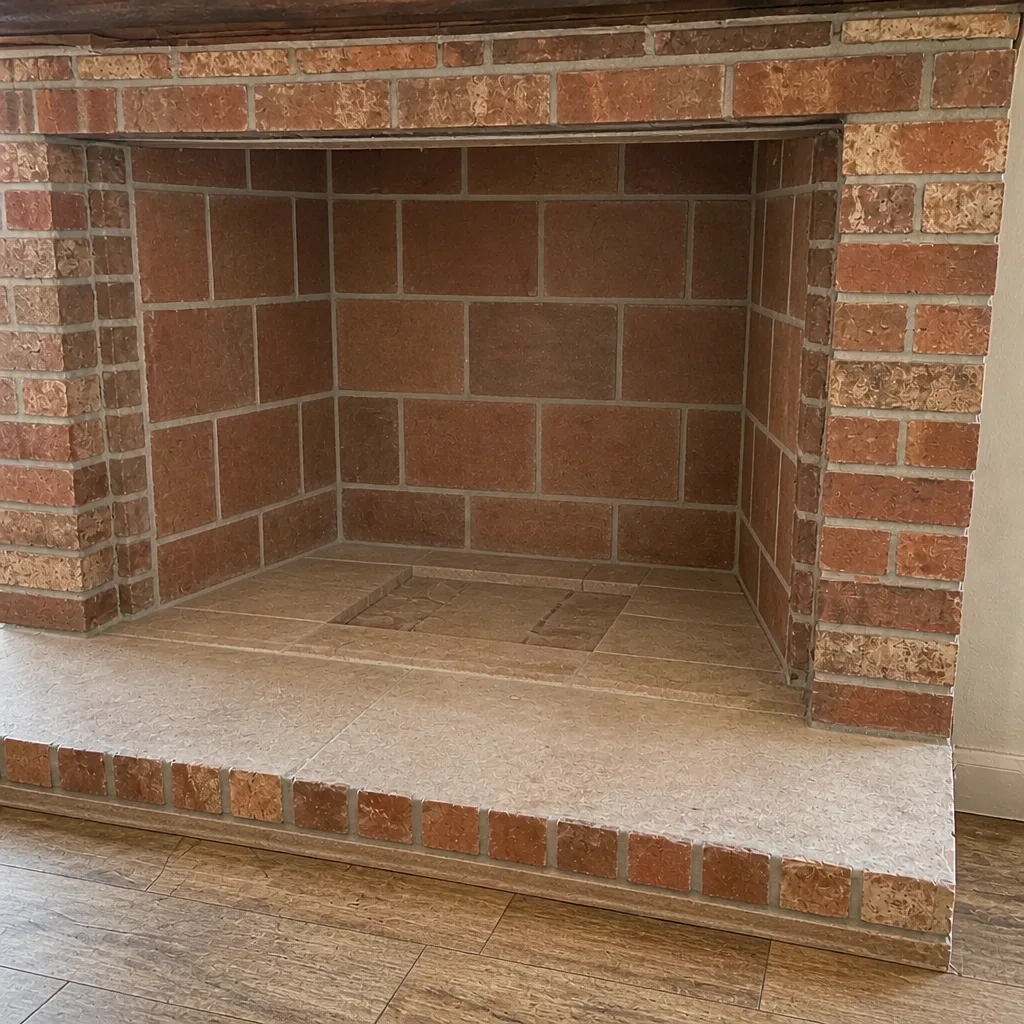
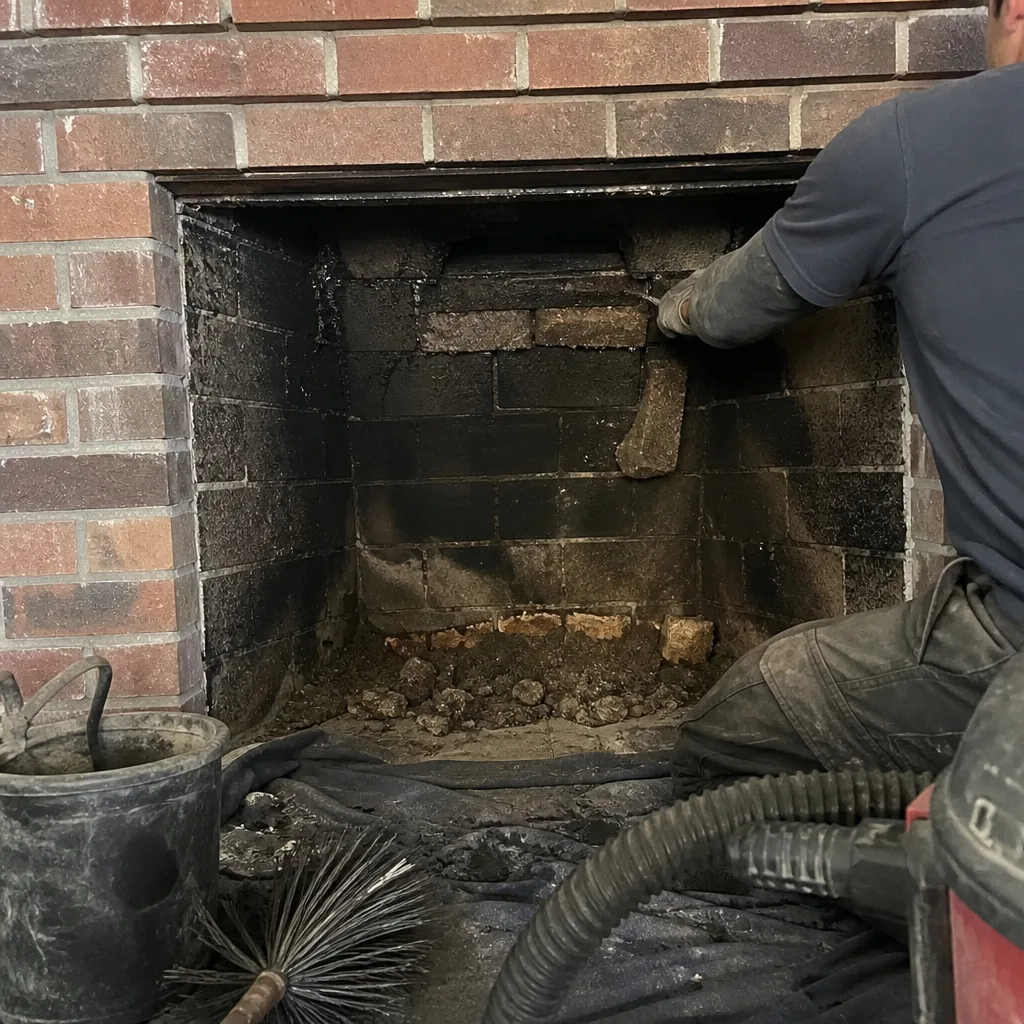
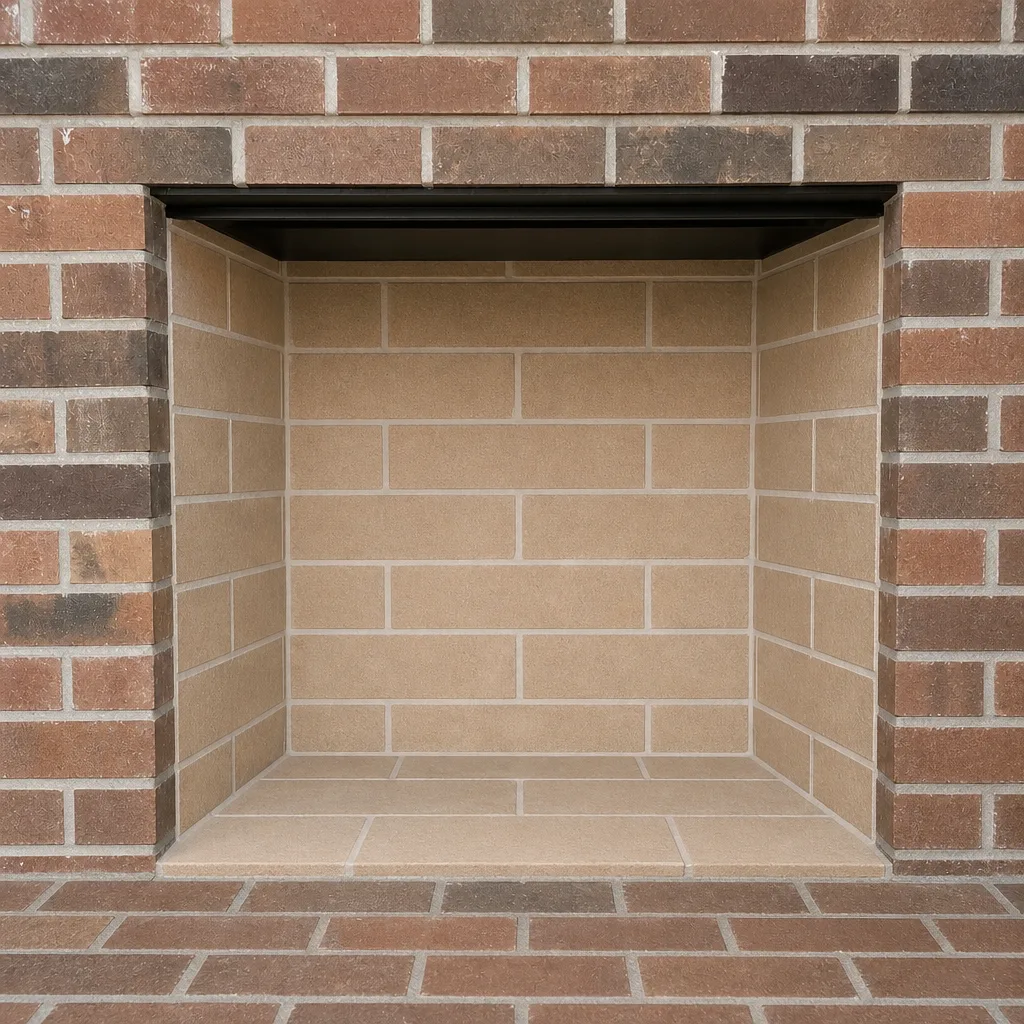
See the difference
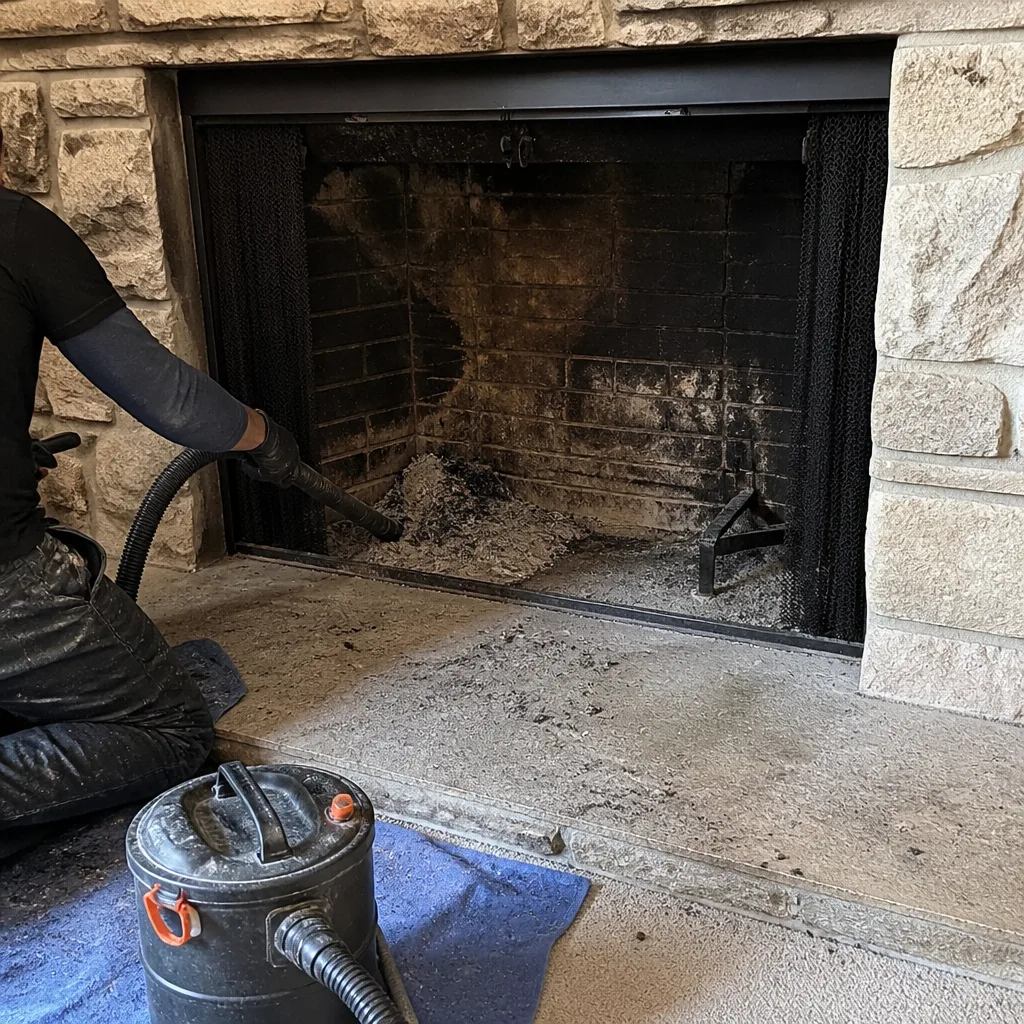 Before
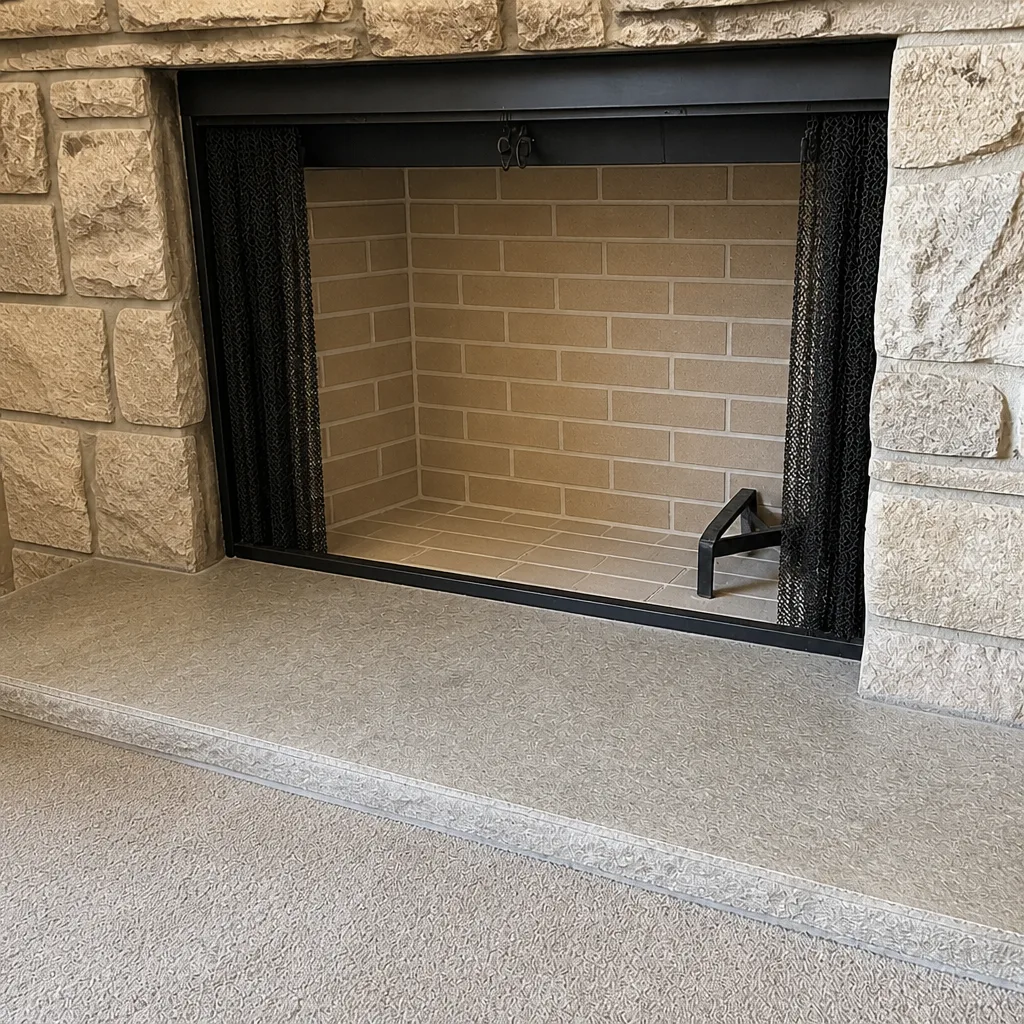 After
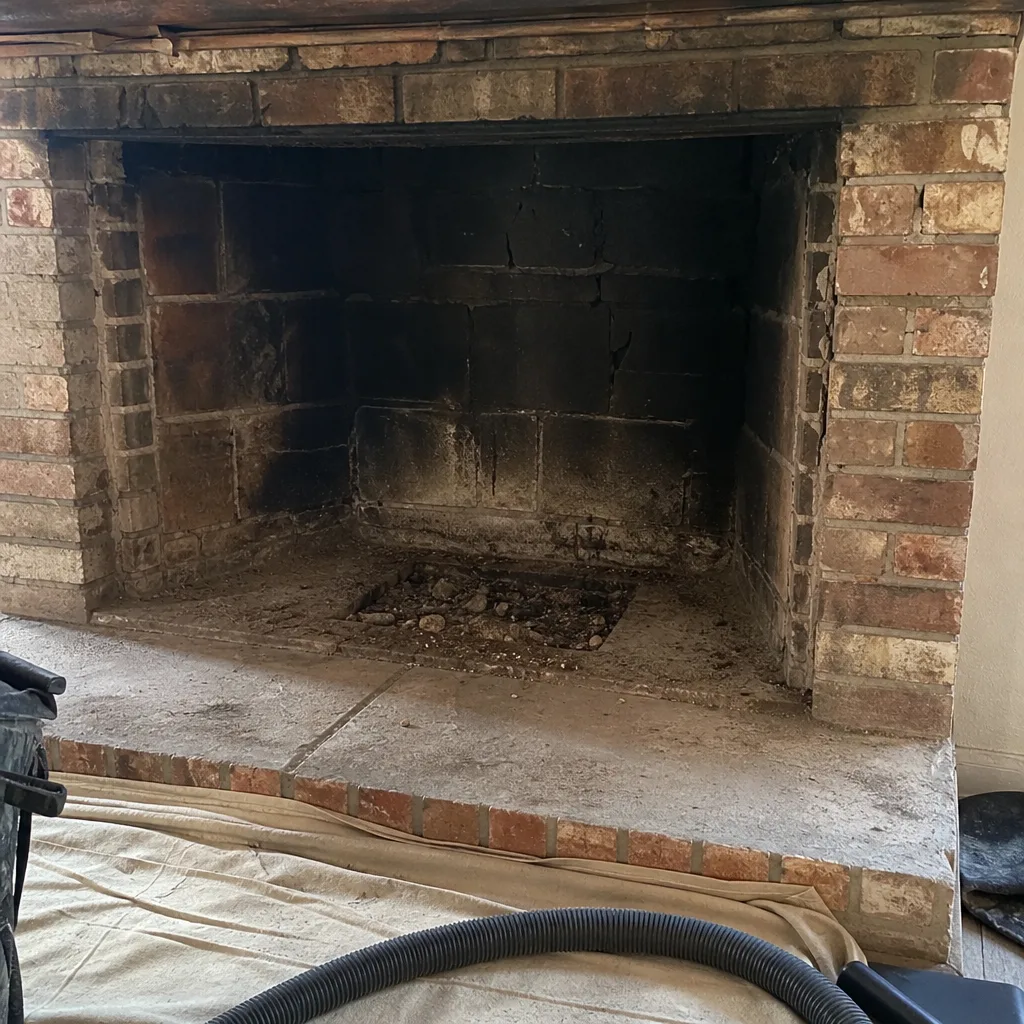 Before
 After
 Before
 After
Common Chimney Repair Problems We See in Centennial Homes
Here’s the single most useful thing we can tell you about Centennial chimneys. The original clay-tile flues in Foxridge, Willow Creek, and Cherry Knolls were frequently never sealed at the crown, so after a heavy spring snow, meltwater streams down the inside of the chimney. You rarely see that pattern in newer metro suburbs. It’s specific to the age and construction of these homes, and it’s why we look at the crown first when a Centennial homeowner reports a leak.
Here are the failures we run into most:
- Unlined or undersized clay-tile flues. Original 1960s – 1980s Centennial homes often have a flue sized for a standard wood fireplace, not for a high-efficiency insert or gas appliance later vented into it. The mismatch speeds up creosote buildup and stresses the tile.
- Unsealed crowns letting meltwater in. When the crown isn’t sealed at installation, spring meltwater streams down the flue, and the freeze-thaw cycle cracks the mortar and spalls the brick from the inside out.
- Deteriorating mortar around the smoke chamber and damper. These gaps don’t show from the firebox, and a Level 2 inspection with a camera is what reveals them. Left alone, they let creosote migrate behind the tile.
- Corroded or lifted flashing. Heavy wet spring snows work away at the roof joint, and a small flashing failure sends water into the chimney chase and the ceiling below.
In many Centennial homes built between the 1960s and 1980s, a typical repair call goes like this: the original clay-tile flue was sized for a wood fireplace, and a modern insert or gas appliance has since been vented into it. A qualified local pro runs a camera to show the cracked tiles and glazed creosote, then recommends relining with a listed system such as DuraFlex or HeatShield and repointing the crown to stop the water intrusion. That’s the standard path, and it’s the honest one.
What we won’t do is recommend a repair you can’t verify. Nothing goes on the estimate that the camera didn’t show us first, and you see the footage yourself. Sometimes work can safely wait a season; we’ll say so when it can. Sometimes creosote glaze, a cracked flue, and a leaking crown add up to a real carbon monoxide or chimney fire risk; we’ll say that too, plainly, without selling past it. When a repair does go ahead, we set the price in a written estimate before the job starts, and the estimate is free.
Pricing for Chimney Repair in Centennial, CO
Chimney repair in Centennial runs on a per-job estimate, and the ranges below give you a realistic idea of what the work costs in this market. A typical mortar repointing job runs about $450 – $1,200 depending on how much of the chimney needs grinding and refilling. Spalling brick repair generally lands in the $350 – $900 range, and chimney waterproofing runs roughly $250 – $550. Flashing repair typically costs $200 – $500, while a full chimney rebuild starts higher and depends on the height of the stack and how far the damage runs. What drives the number is access, the amount of failed material, and whether water intrusion has reached beyond the crown. Your written estimate sets the final price, and there’s no charge for it.
We Also Serve Cities Near Centennial
We work across the south metro, so if you’re not in Centennial proper, we can still help. That includes Cherry Creek, Greenwood Village, Acres Green, and Dove Valley, plus the neighborhoods and streets around Centennial itself. Roofs, climate, and chimney construction are closely related across these communities, so the diagnosis doesn’t change much. Call (866) 589-5349 to book.
Serving Centennial, CO – Our Local Coverage Area
We serve Centennial and nearby communities. Use the map below to see the area we cover. If you’re nearby, we can almost certainly help.
FAQs – Chimney Repair in Centennial
Yes. A camera inspection is the only way to see whether the clay tiles are cracked, glazed with creosote, or already unlined, and that determines what the repair should actually be. In a home of that age, the flue was likely built for a standard wood fireplace, and any insert or appliance added later needs checking against the tile condition. We don’t recommend a repair without showing you the footage. Call (866) 589-5349 for a free estimate.
Water coming down the inside of a Centennial chimney after a wet spring snow almost always traces back to an unsealed crown, lifted flashing, or both. Many original 1960s – 1980s homes here were never sealed properly at the top, so meltwater gets in and freeze-thaw cycles open cracks behind it. The fix is to stop the water at the source, not just dry the inside. Call (866) 589-5349 and we’ll pinpoint it.
Often no. The original clay tile was typically sized for a standard fireplace, and a high-efficiency insert demands a properly matched, listed liner to vent safely. An undersized or unlined flue can’t contain creosote glaze or vent the insert the way it needs to, and that’s a real safety concern. A camera inspection tells us the flue’s actual condition, and most of these homes are relined with a system such as DuraFlex or HeatShield. Call (866) 589-5349 to get it assessed.
Once a year is the honest answer for a Centennial home, even in a light-burning year. The high-plains climate does its damage whether or not the fireplace is in use: freeze-thaw cycles crack mortar and spall brick, spring snow works on the crown, and small gaps go unnoticed until a bigger repair shows up. Annual inspection catches those early. Call (866) 589-5349 to schedule one.
Repointing means grinding out failed mortar and packing in fresh material to restore the joint; tuckpointing adds a contrasting finished mortar line on top for a cleaner look. For most Centennial chimneys, repointing is the structural fix that keeps the bricks locked together through freeze-thaw, and tuckpointing is the cosmetic layer. Function comes first; we can talk through both once we’ve seen the joints. Call (866) 589-5349 for a free estimate.
Whether it’s a leaking crown, crumbling mortar, or a flue that needs a liner, our chimney repair work starts with what the camera shows and ends with a fix built to last. Call (866) 589-5349. We answer 24/7, with fast dispatch from 7am to 7pm, Sunday through Friday. The estimate is free, and nothing gets recommended that you can’t see for yourself.
Written by the team at Centennial Chimney Sweep Pros.